



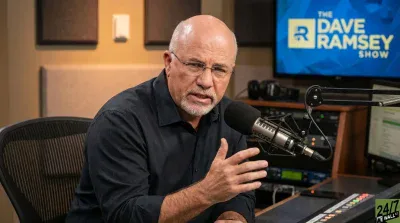
Clark Howard, the personal finance radio host and podcaster, had what at first might seem like some unusual advice for a 25-year-old caller. Stop investing in your Roth IRA right now, he told Timothy. The caller has been employed for nearly two years, and is considering a part-time MBA starting in the fall. Timothy laid out his situation: “I’m also already contributing enough to max out my Roth IRA, HSA, and 401(k) up to the match. To pay for an MBA, I’m afraid the money will really be tight unless I stop contributing.”
Howard said in this case, it makes sense to pause the Roth IRA contributions and reduce the 401(k) to the employer match only, while continue funding the HSA. He framed the MBA as an investment in future income and told Timothy to step contributions back up once he finishes the program, estimated at 18 to 24 months.
What Howard Is Actually Saying About Sequencing
The financial concept at play is contribution sequencing: the order and timing of where you put money matters, and temporarily redirecting cash flow toward a higher-return use is rational. Howard is telling Timothy to treat the MBA as a short-duration investment that deserves priority capital right now, with the expectation that IRA contributions resume once the program ends.
Consider the numbers. Timothy’s rent is nearly 30% of his monthly income. Adding MBA costs on top of maxed retirement contributions leaves almost no margin. If Timothy borrows to cover the gap, he pays interest. If he cuts contributions temporarily instead, he gives up some tax-advantaged growth but avoids debt service costs and financial stress.
A Roth IRA pause of 18 to 24 months means forgoing one to two years of contributions, roughly $14,000. At a long-term average equity return, that gap is recoverable over a 35-plus year horizon. A 25-year-old has time on their side in a way a 45-year-old does not. The compounding loss from two years of missed Roth contributions is manageable when weighed against the income premium a completed MBA can generate.
Why the HSA Survives the Cut
Howard’s instruction to keep the HSA funded while pausing the Roth reflects a structural difference between the two accounts. A Roth IRA grows tax-free on investments you’ve already paid tax on. An HSA offers a triple tax advantage: contributions reduce taxable income now, growth is tax-free, and withdrawals for qualified medical expenses are tax-free. No other account in the U.S. tax code does all three.
“I would want you to continue contributing to the HSA,” Howard said. “Because the financial advantage over the years is enormous.” Healthcare costs are rising faster than inflation, which is about 3% year-over-year. Every dollar in an HSA invested today compounds tax-free against that rising cost base.
Who This Logic Fits — and Who Should Think Twice
Howard’s framework works well for someone matching Timothy’s profile: early career, high future income potential, short program duration, and an employer covering part of the cost. Timothy’s company offers $3,000 per year in tuition reimbursement, which further reduces the net cost of the degree and shortens the payback period.
The same advice applied to a 45-year-old with $150,000 saved and 20 years until retirement would be far more damaging. At that stage, two years of missed Roth contributions carry much heavier compounding consequences and less runway to recover. The pause-and-resume strategy only works when the pause is genuinely short and the income payoff is credible.
Someone with significant high-interest debt should also think carefully. If pausing Roth contributions frees up cash that goes toward 20% credit card balances, that is a better use of capital than any tax-advantaged account. But if the freed cash simply funds lifestyle spending, the calculus breaks down.
What Timothy Should Do Next
- Reduce 401(k) contributions to exactly the employer match and stop there. Free money from an employer match still beats any other return available.
- Pause Roth IRA contributions for the duration of the MBA program. Set a calendar reminder to restart them the month after graduation.
- Keep HSA contributions at their current level. If possible, invest the HSA balance in low-cost index funds rather than leaving it in cash.
- Track the tuition reimbursement timeline carefully. The $3,000 annual employer benefit should be claimed every year the program runs.
Howard called Timothy “an industrious person to work full-time and go get that MBA at night.” A short-term contribution pause to fund a degree with a real income payoff should be a deliberate trade worth making.













 Top Gaining Stocks
 Top Losing Stocks