


The United States Constitution was signed on September 17, 1787, but that doesn’t mean that it’s outdated. In fact, the Constitution is seen as a “living” document. Over the past two centuries, amendments have been ratified to reflect the changing needs and values of the nation. They define individual freedoms, outline government limitations, and set standards for the justice system. These amendments protect fundamental rights, but what if they had never been added? (These Constitutional Amendments didn’t quite make the cut.)
Without these very important amendments, life in the United States could look a lot different. Let’s look at each amendment and see how it changes American life.
Why We’re Covering This
Our freedoms are a huge part of what makes us American. They protect our fundamental freedoms and protect citizens from unreasonable actions and punishments. They also have a huge economic benefit. We’re able to spend our money on the things we want to spend our money on, for instance. These amendments are important for understanding our current economy, as well.
Amendment 1:

- Right: Protects individual rights to express opinions, choose religious beliefs, and criticize the government.
- Without It: The government might impose censorship, punish dissent, and enforce a state religion.
Amendment 2:

- Right: Allows citizens to own firearms for self-defense and security.
- Without It: The government could restrict or ban private firearm ownership, potentially eliminating this form of self-protection.
Amendment 3:

- Right: Prevents the government from housing soldiers in private homes without consent.
- Without It: The military could occupy citizens’ homes without warning, disrupting family life and privacy. In some cases, the military could even force families to pay for the food and housing of these soldiers.
Amendment 4:

- Right: Ensures the right to privacy by requiring warrants for searches and seizures.
- Without It: Law enforcement could search homes, seize property, and monitor personal information without any legal justification.
Amendment 5:

- Right: Guarantees due process, protects against double jeopardy, and prevents self-incrimination.
- Without It: People could be detained indefinitely, forced to testify against themselves, and deprived of property without fair compensation. This right helps ensure the legal system is fair.
Amendment 6:

- Right: Ensures a speedy, public trial by an impartial jury and the right to legal representation.
- Without It: Trials could be delayed indefinitely, defendants denied lawyers, and biased juries could determine guilt. You’ll notice several amendments that control how the justice system operates.
Amendment 7:

- Right: Guarantees a jury trial in civil cases where the value in controversy exceeds a certain amount.
- Without It: Civil disputes might be resolved solely by judges, with no public input or peer judgment. This could change many outcomes in large civil cases.
Amendment 8:

- Right: Prohibits excessive fines and cruel punishment.
- Without It: The government could impose extreme punishments, use torture, or require excessive fines for minor offenses.
Amendment 9:
- Right: Outlines that other rights do exist outside of those outlined in the Constitution.
- Without It: The government could control rights that weren’t explicitly protected. This is considered a “failsafe” amendment.
Amendment 10:

- Right: Grants powers not given explicitly to the federal government to the states.
- Without It: Federal authority would outrule state authority, eroding local governance. Over several decades, this could lead to the elimination of state governments entirely.
Amendment 11:
- Right: Prevents citizens from suing states in federal court without consent.
- Without It: States could face constant litigation, which could drain resources and weaken state authority.
Amendment 12:

- Right: Establishes separate votes for president and vice president.
- Without It: The Electoral College could disrupt the transfer of power, causing leadership issues.
Amendment 13:

- Right: Abolished slavery.
- Without It: Forced labor and exploitation could persist legally.
Amendment 14:

- Right: Grants citizenship to all born in the U.S. and provides equal protection under the law.
- Without It: Discrimination based on race, origin, or status could be legally enforced, creating widespread inequality.
Amendment 15:

- Right: Prohibits denying the right to vote based on race, color, or previous servitude.
- Without It: Voting discrimination could prevent minority populations from influencing elections and shaping policies.
Amendment 16:

- Right: Allows Congress to collect income taxes.
- Without It: The federal government might be forced to leverage other taxes or not fund essential services.
Amendment 17:

- Right: Allows citizens to elect senators directly.
- Without It: State legislators would choose senators, changing the government extensively.
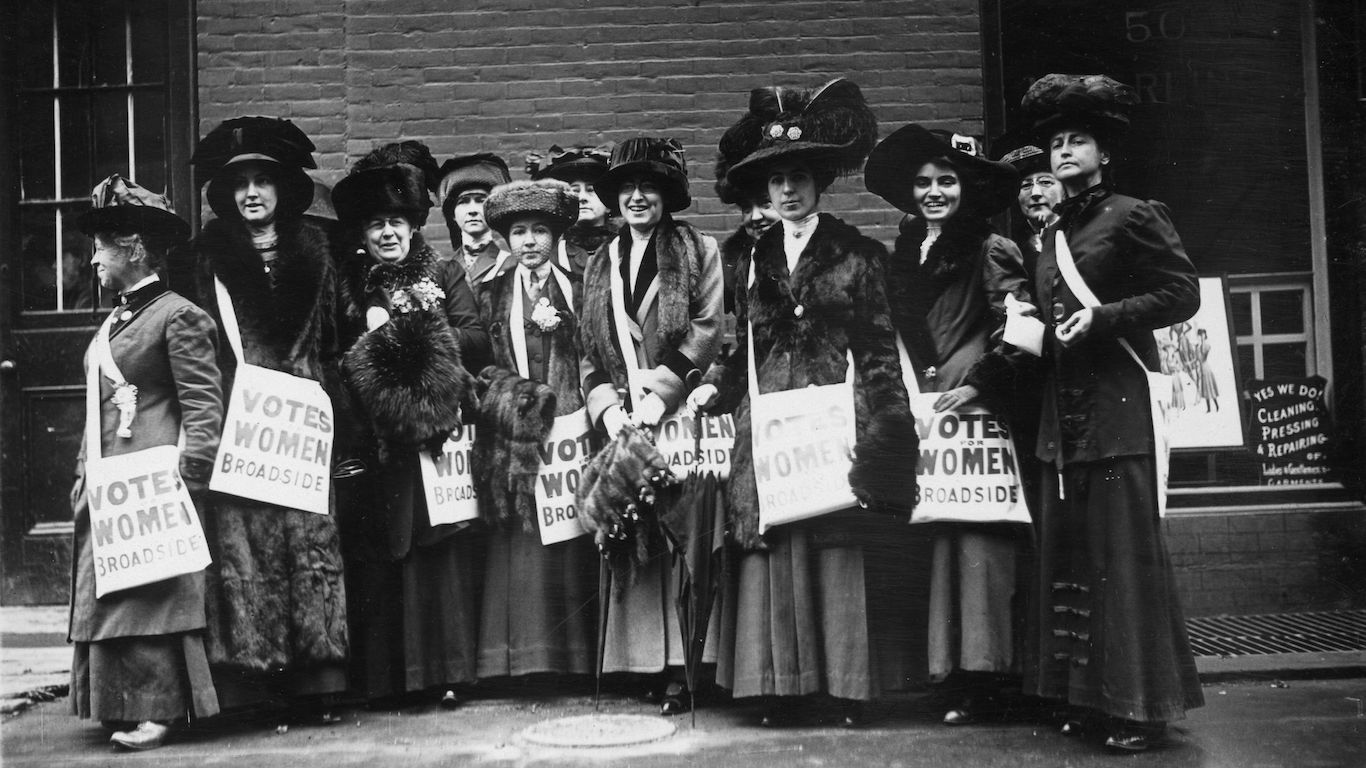
Amendment 19:

- Right: Grants women the right to vote.
- Without it: Women wouldn’t be able to vote!
Amendment 20:

- Right: Changes the start date of presidential and congressional terms to reduce “lame-duck” periods.
- Without It: Delays in transitioning power could slow government responses to crises.
Amendment 22:
- Right: Limits the president to two terms in office.
- Without It: Presidents could hold office indefinitely, as long as they continued to win the electoral college vote.
Amendment 24:
- Right: Prohibits poll taxes in federal elections, ensuring everyone can vote for free.
- Without It: Financial barriers may prevent low-income citizens from voting, skewing the results of elections.
Amendment 25:

- Right: Clarifies presidential succession and procedures in case the president is incapacitated.
- Without It: The line of sessions would be vaguer, potentially leading to power struggles.
Amendment 26:

- Right: Lowers the voting age to 18.
- Without It: Young adults wouldn’t be able to vote, eliminating a sizeable portion of the U.S. voting population.









 Top Gaining Stocks
 Top Losing Stocks