


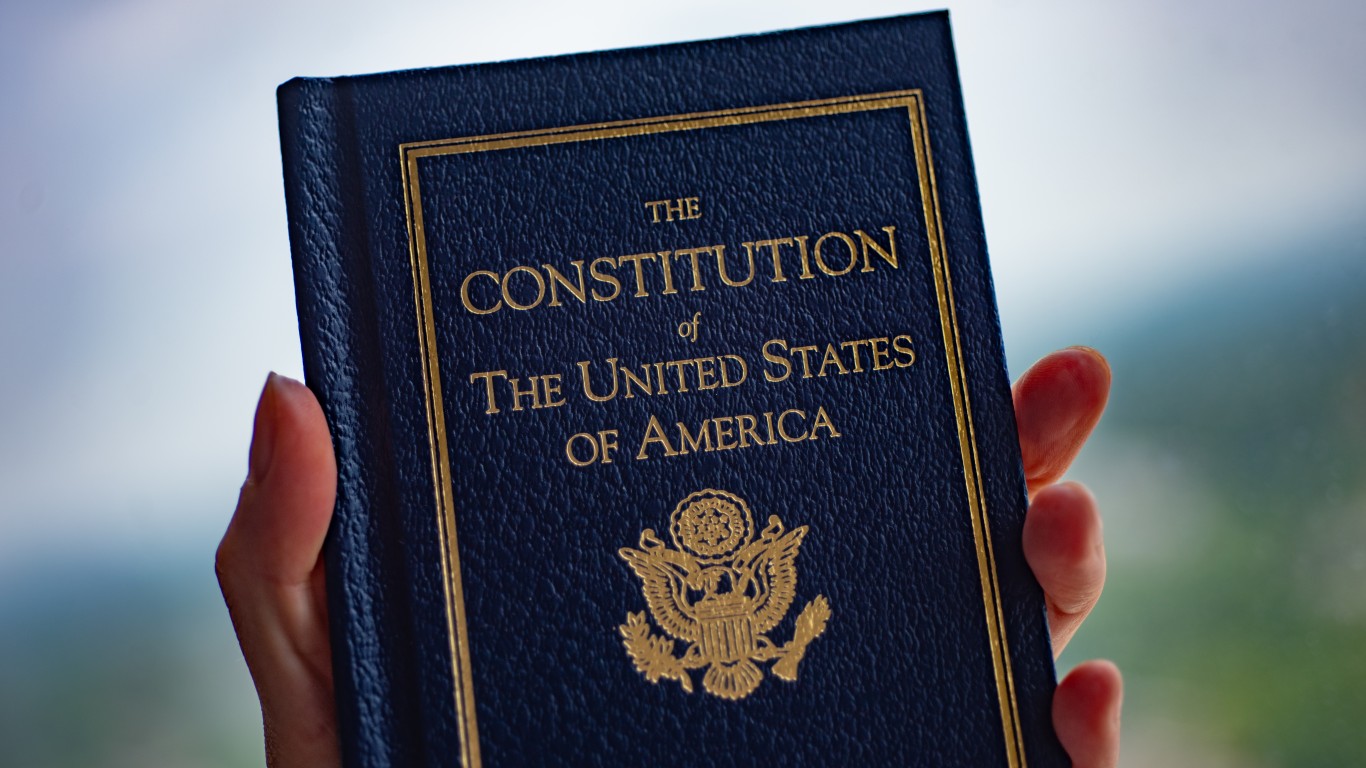
As one of the most sacred documents in the US, the Constitution essentially governs how our nation works and is a revered piece of our nation’s history. Everything from our right to vote and freedom of speech to the right to not incriminate ourselves is based on the text of the United States Constitution.
Unfortunately, as important as this document is, there is a definite lack of knowledge about what the text of the Constitution actually says (and does). As a result, many, if not most, Americans can’t answer some very simple questions about the Constitution, it’s background, who wrote it, and even what it truly does.
1. Question
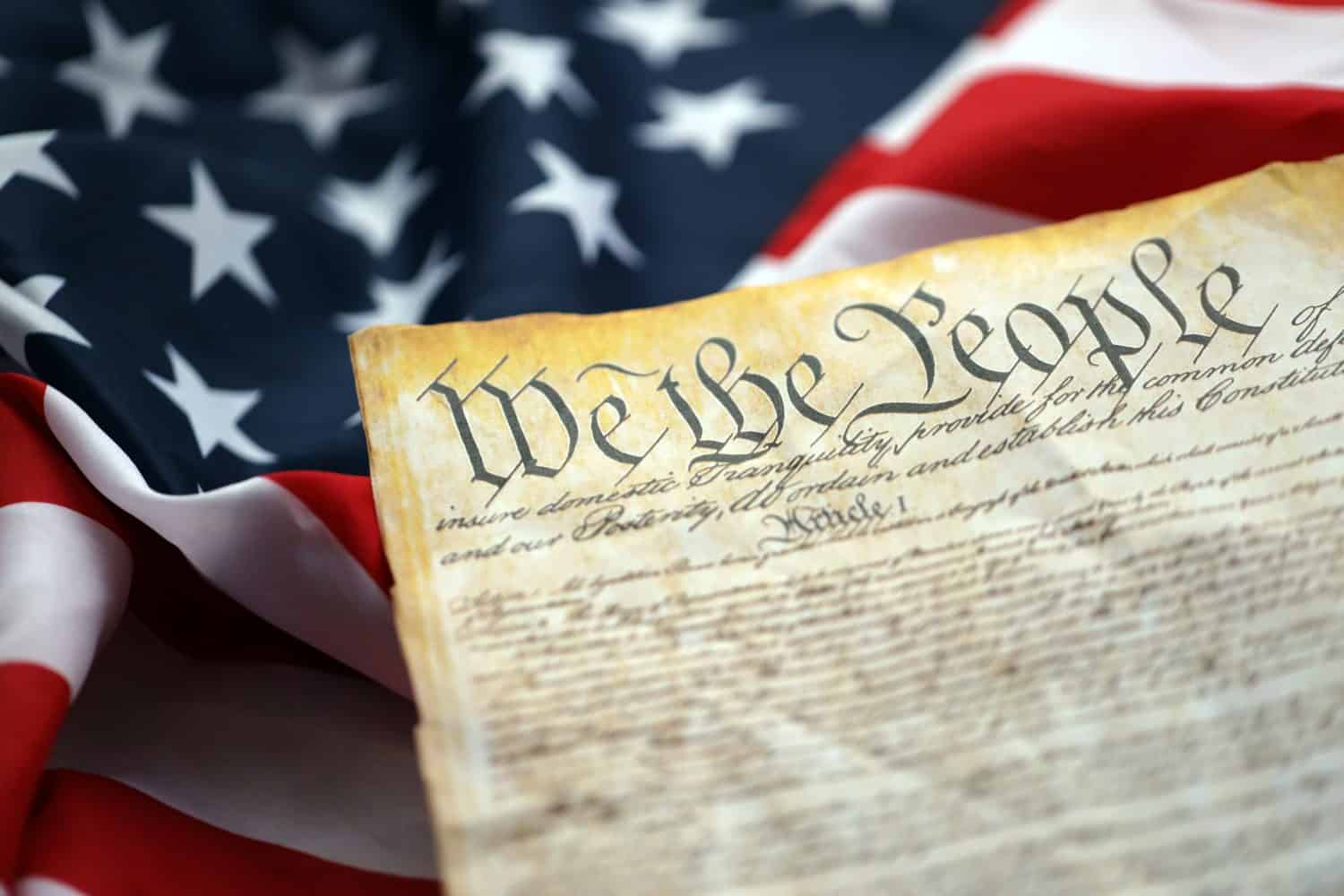
What is the United States Constitution?
Answer: Law of the Land
The Constitution is considered America’s “supreme law of the land.” As such, it sets up the United States system of government, defines the government as far as the three branches, and provides a list of the rights and freedoms protected against government interference.
2. Question
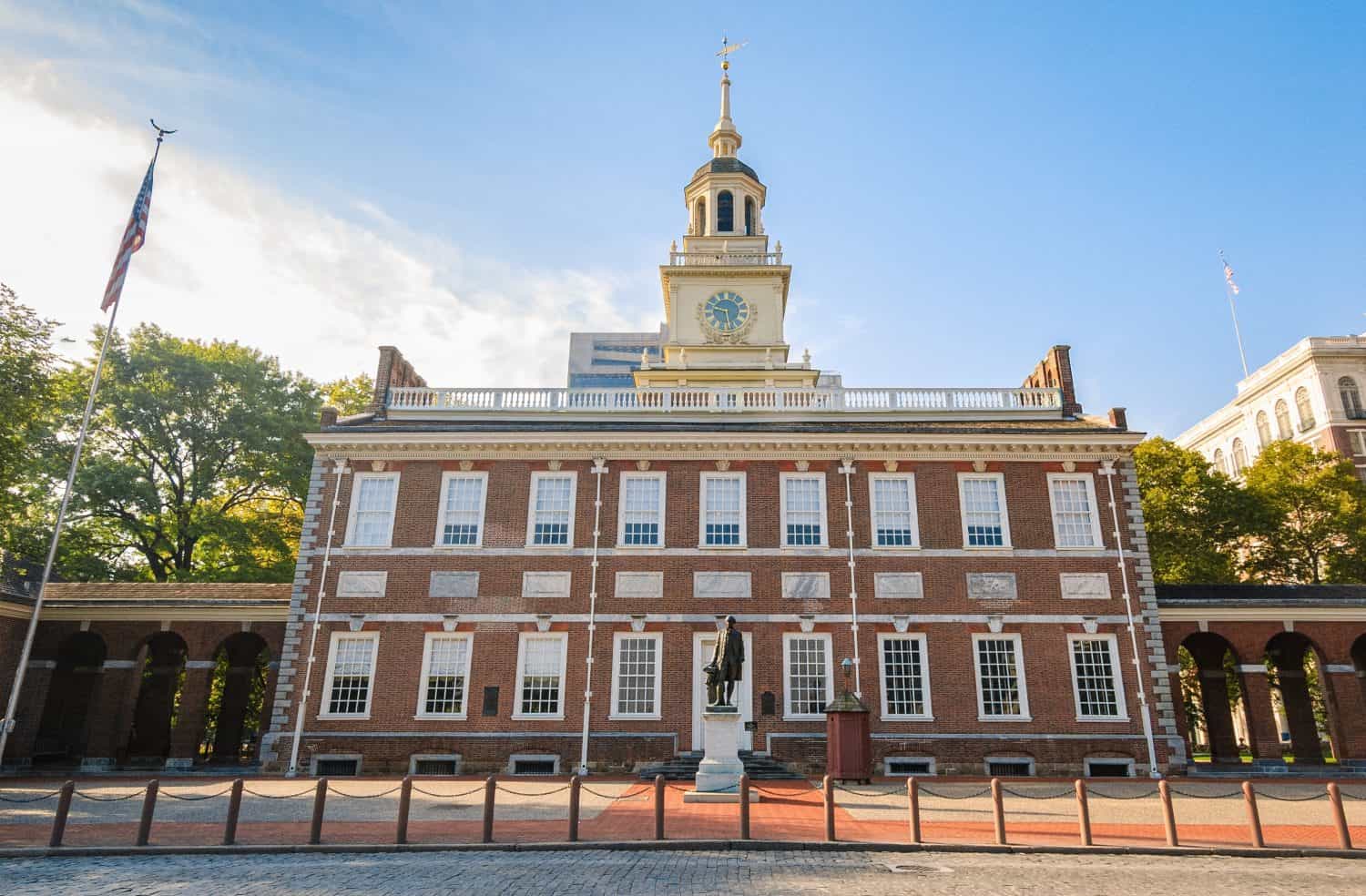
How long did it take to create the Constitution?
Answer: Four Months

The Constitutional Convention lasted four months, from May 25 to September 17, 1787. During this period, delegates met to replace the Articles of Confederation, which had proven ineffective after the Revolutionary War.
3. Question
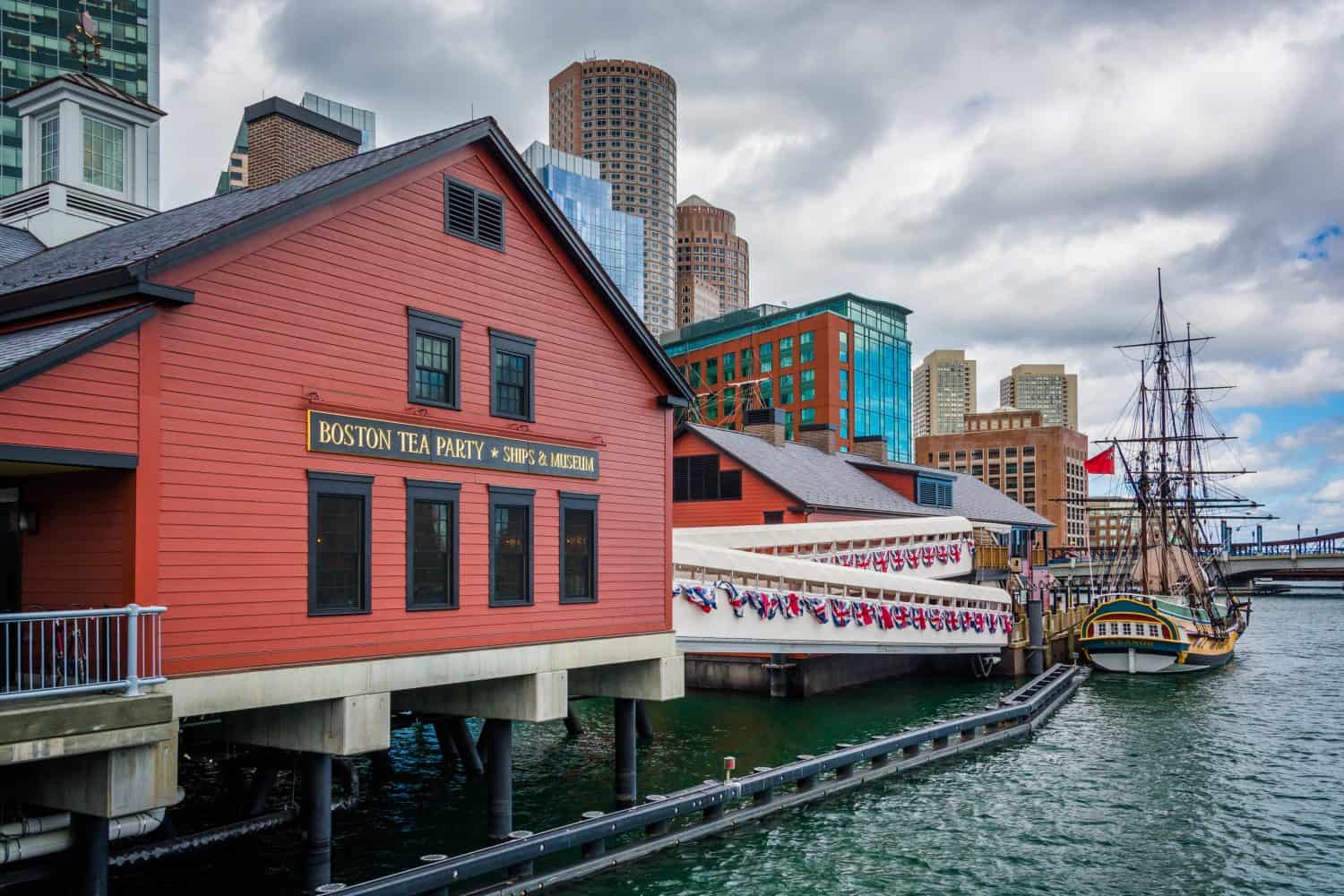
Why was the Constitution created?
Answer: Replace the Articles of Confederation
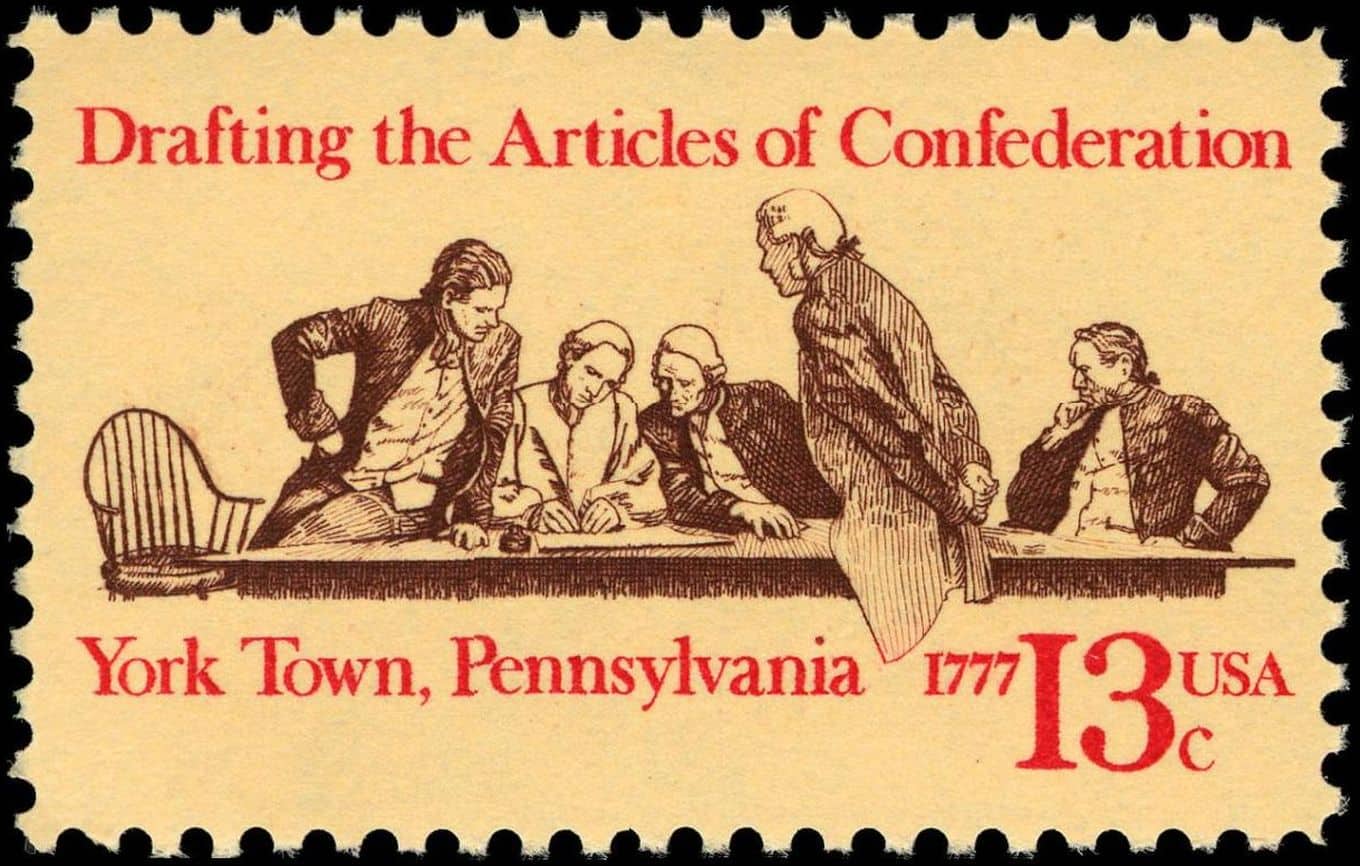
In post-Revolutionary War America, it was determined that the Articles of Confederation lacked a strong central authority with the power to tax. The Constitution was established to create a stronger, more effective federal government that gave the states a balance of power. The document was also carefully written not to establish anyone who might consider themselves a king or queen.
4. Question
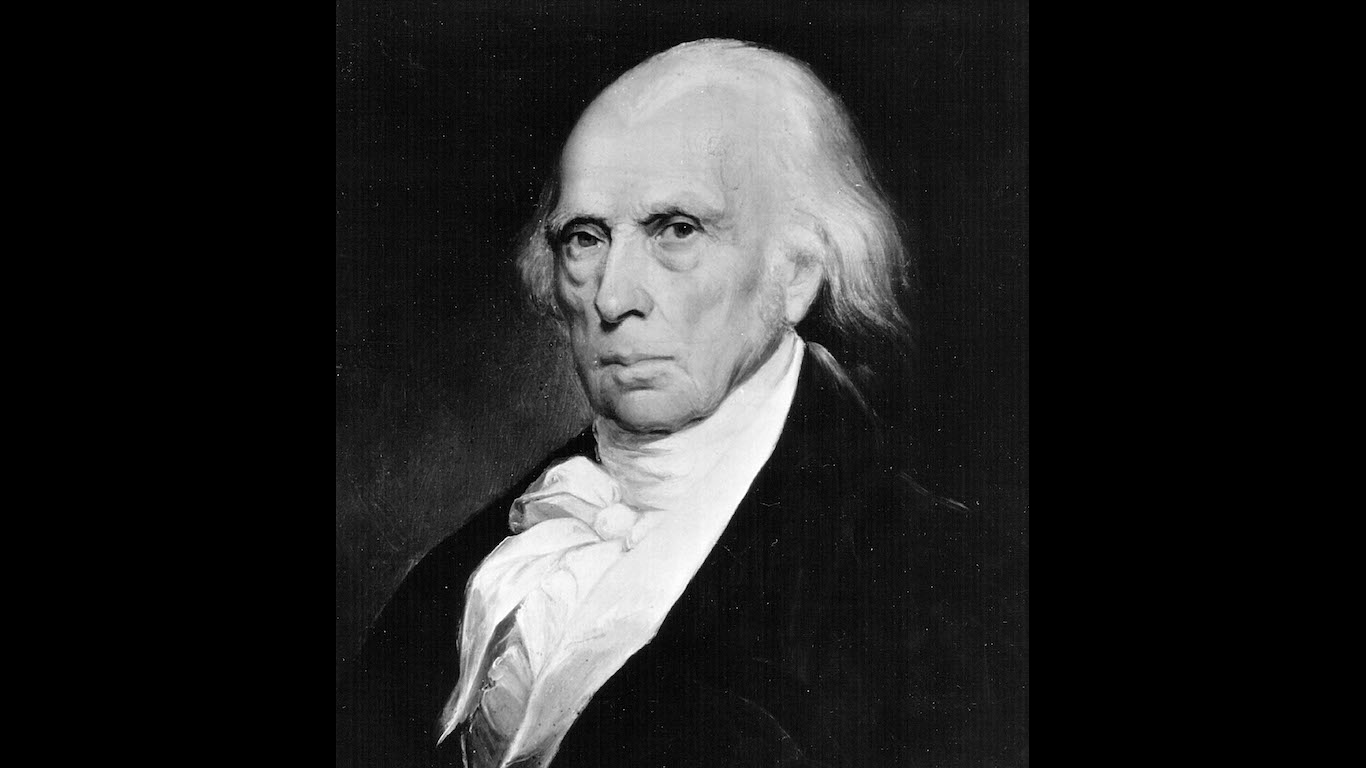
Who is known as the father of the Constitution?
Answer: James Madison
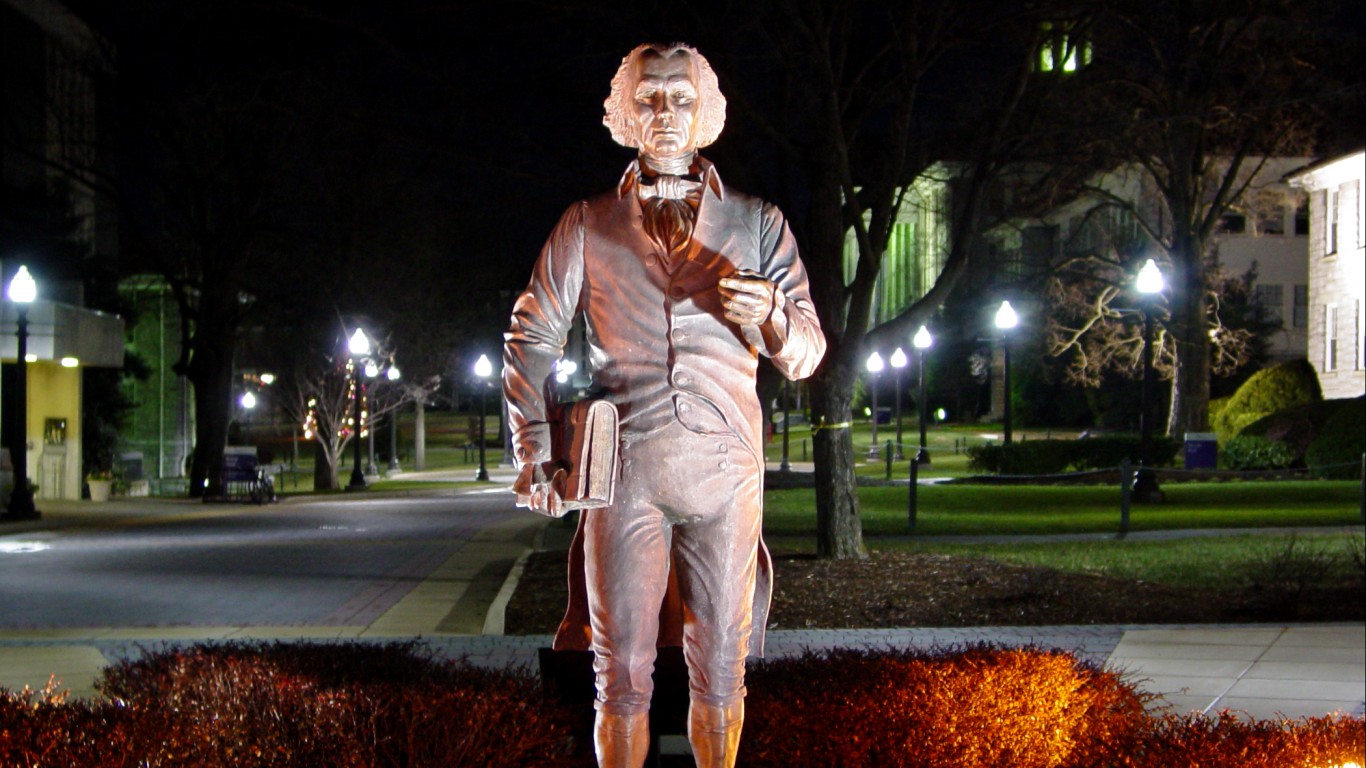
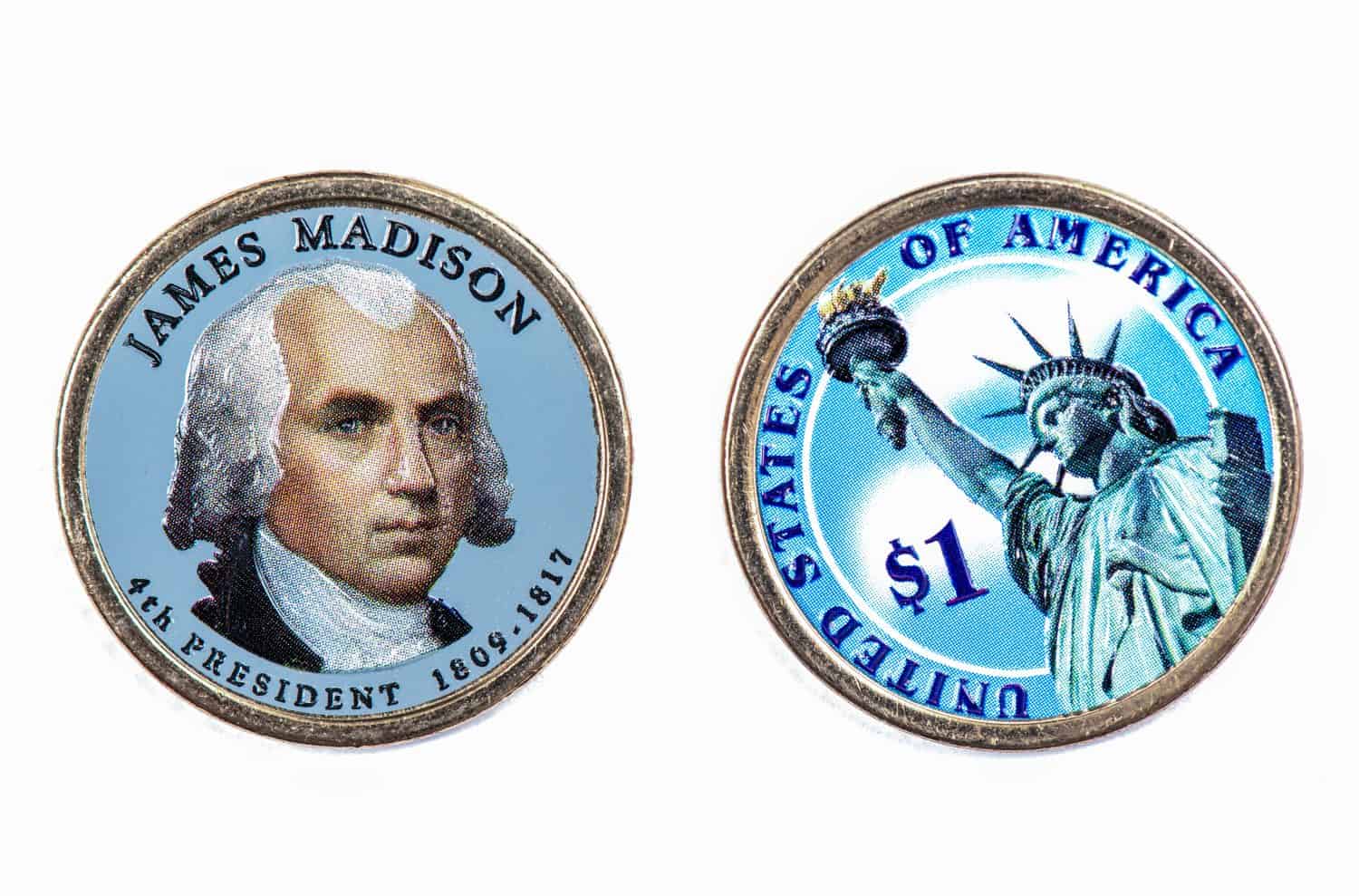
James Madison earned the nickname the “Father of the Constitution” because he drafted significant pieces of the document. Madison’s most famous work was the Bill of Rights, ratified on December 15, 1791. As a result of his work on the Constitution, Madison served as the fourth president from 1809 to 1817.
5. Question
What were the Federalist Papers, and why were they necessary?
Answer: Essays
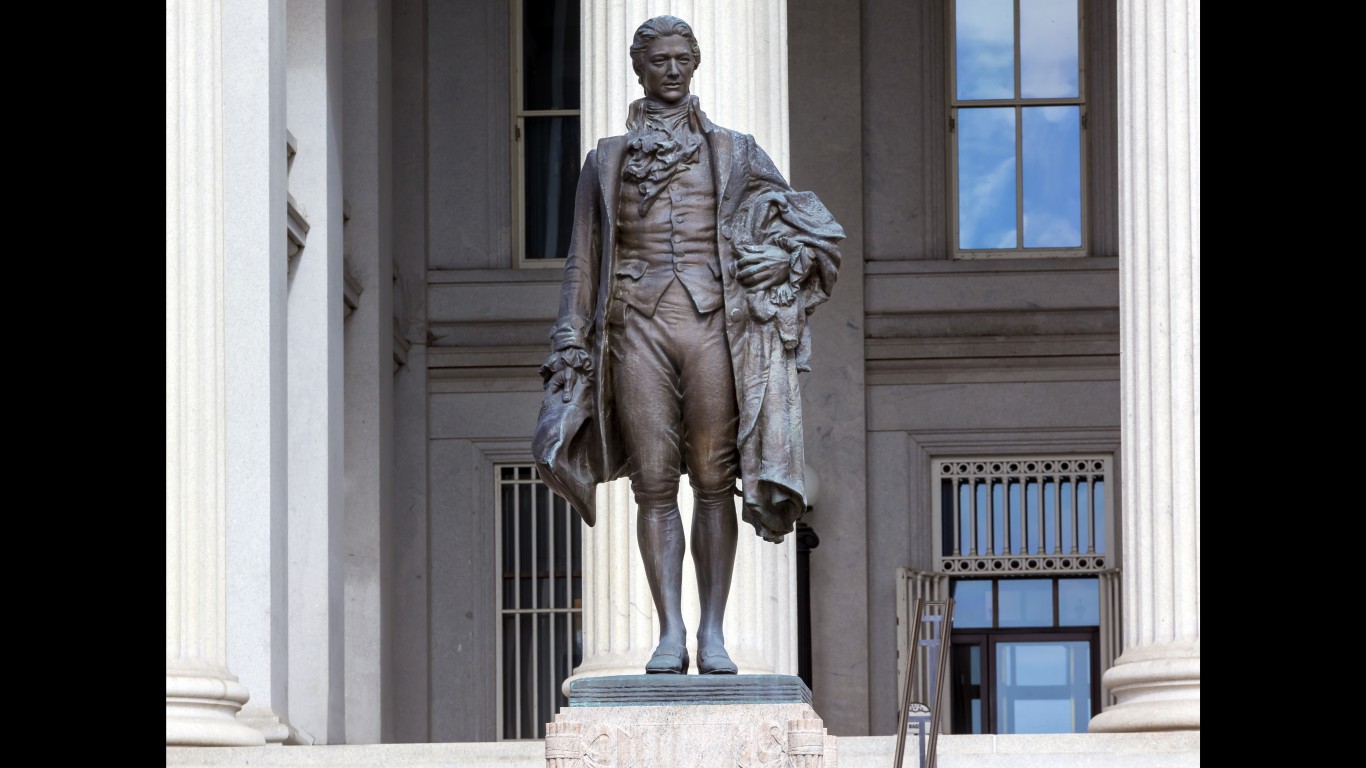
James Madison also contributed the Federalist Papers, a document he wrote alongside Alexander Hamilton and John Jay to persuade New York citizens to ratify a new document known as the Constitution. It was a series of 85 essays published across different newspapers that ultimately convinced the state to embrace the document.
6. Question

What was the first state to ratify the new US Constitution?
Answer: Delaware

On December 7, 1787, Delaware and its delegates became the first state to ratify the US Constitution, which earned it the nickname “The First State.”
7. Question

What was the last state to ratify the US Constitution?
Answer: Rhode Island

The last of the original 13 colonies to ratify the US Constitution, Rhode Island finally agreed to the document on May 19, 1790. The delay resulted from delegates from the state being initially opposed to a stronger central government, only to be convinced to ratify after the Bill of Rights was added to guarantee individual rights.
8. Question
What is the Bill of Rights?
Answer: First 10 Amendments
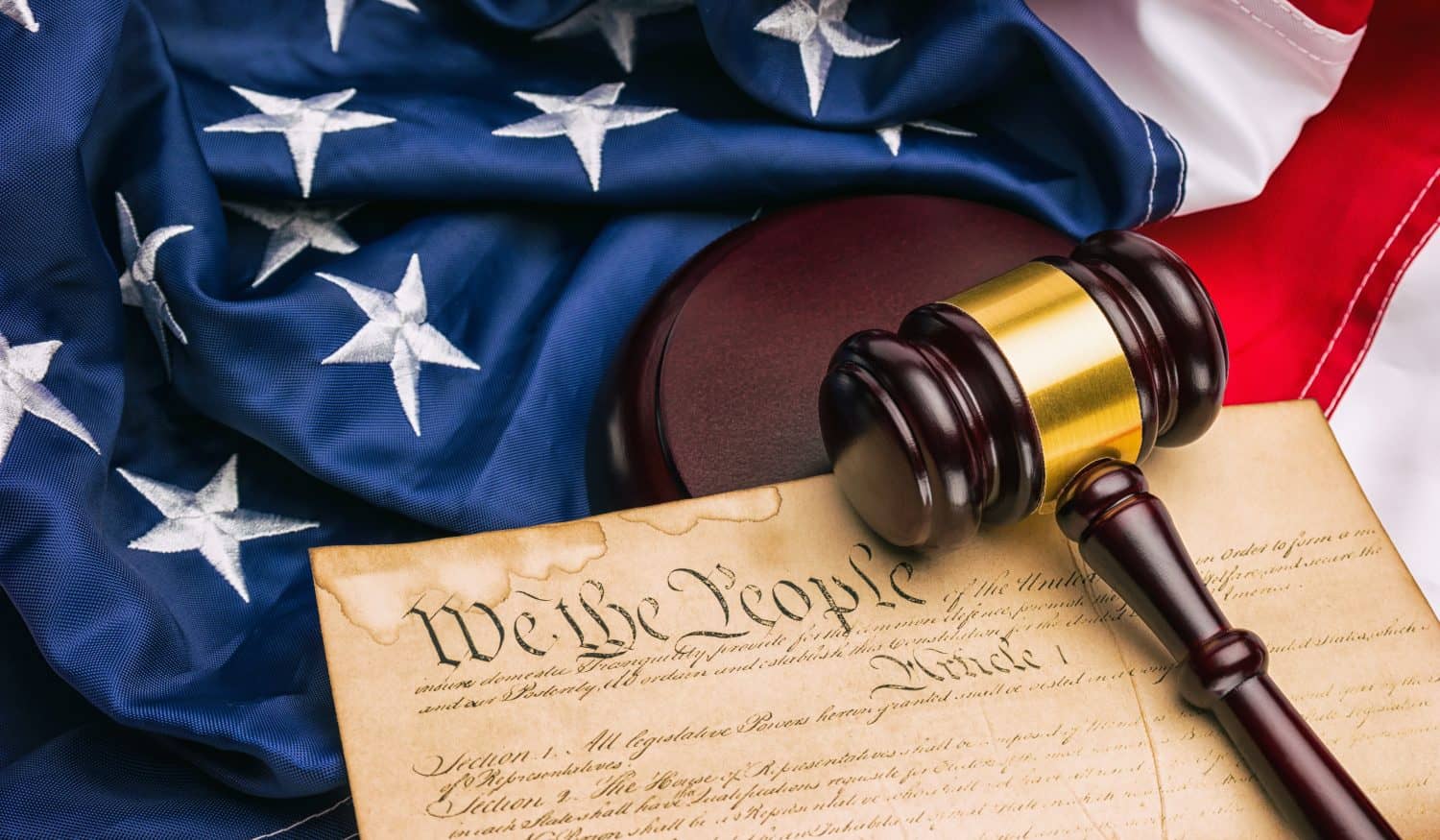
It might be a very different American without the Bill of Rights and the Constitution, as they shape America as we know it. The first 10 amendments of the Constitution gave Americans a heightened confidence in the new government that they would have freedom from government abuse of power. This includes freedom of speech, religion, and the press.
9. Question

What were the New Jersey and Virginia plans?
Answer: Different Proposals for State’s Rights

New Jersey and Virginia delegates proposed adding to the Constitution to guarantee the states’ rights. The New Jersey plan would give each state equal representation in the newly formed government, while the Virginia plan appointed representation based on population. Ultimately, the “Connecticut compromise” would help establish the House of Representatives based on population and the Senate, with every state getting the same number of Senators.
10. Question
Why was the Bill of Rights added?
Answer: Satisfy Anti-Federalists
The Bill of Rights was established and added to the Constitution to get anti-federalists on board, or those who opposed the establishment of a central federal government that could take away the rights of citizens. By creating the Bill of Rights and ratifying it in 1791, it safeguarded the rights of individuals through free speech and a fair and speedy trial.
11. Question
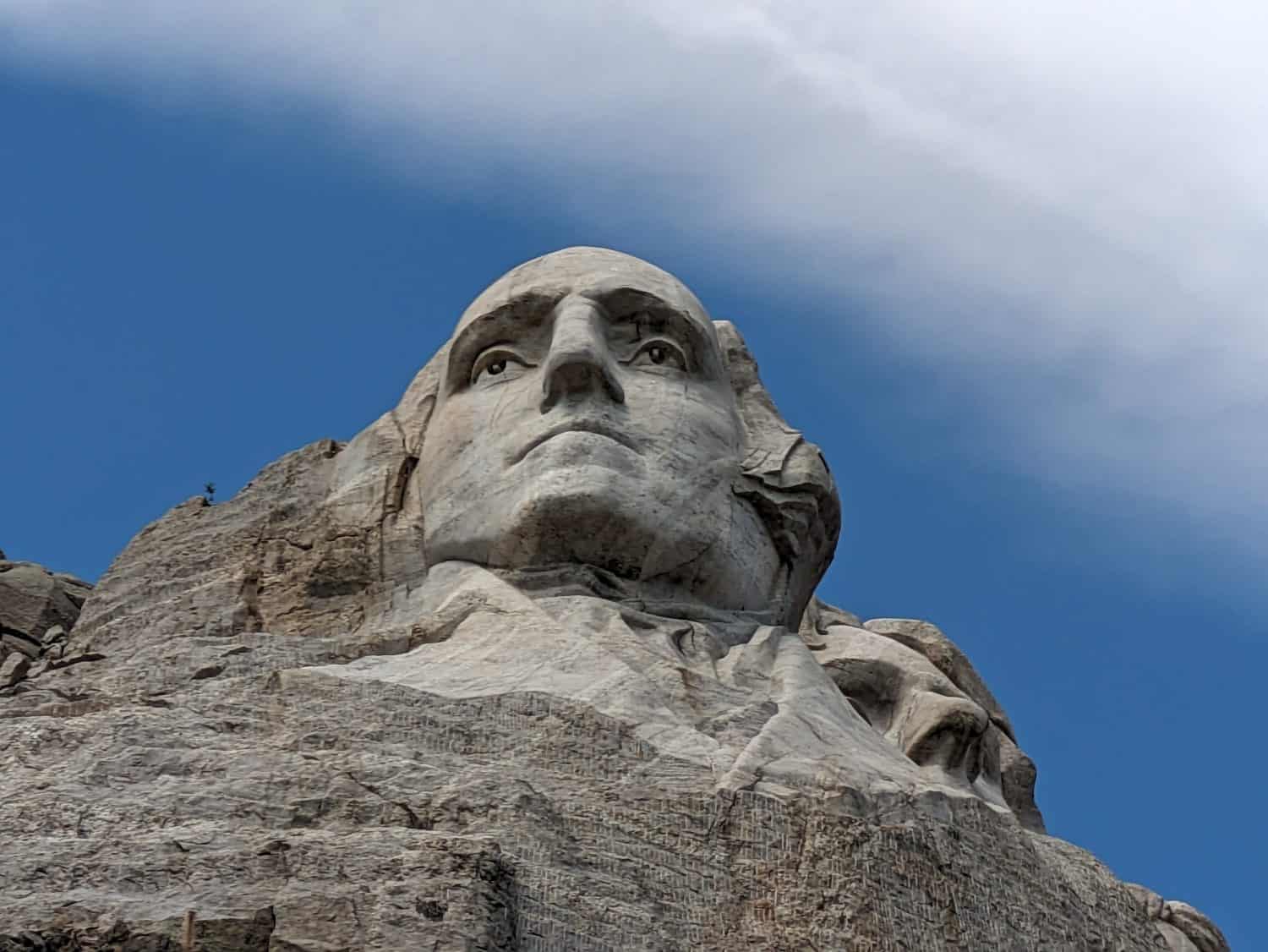
Who presided over the Constitutional Convention?
Answer: George Washington
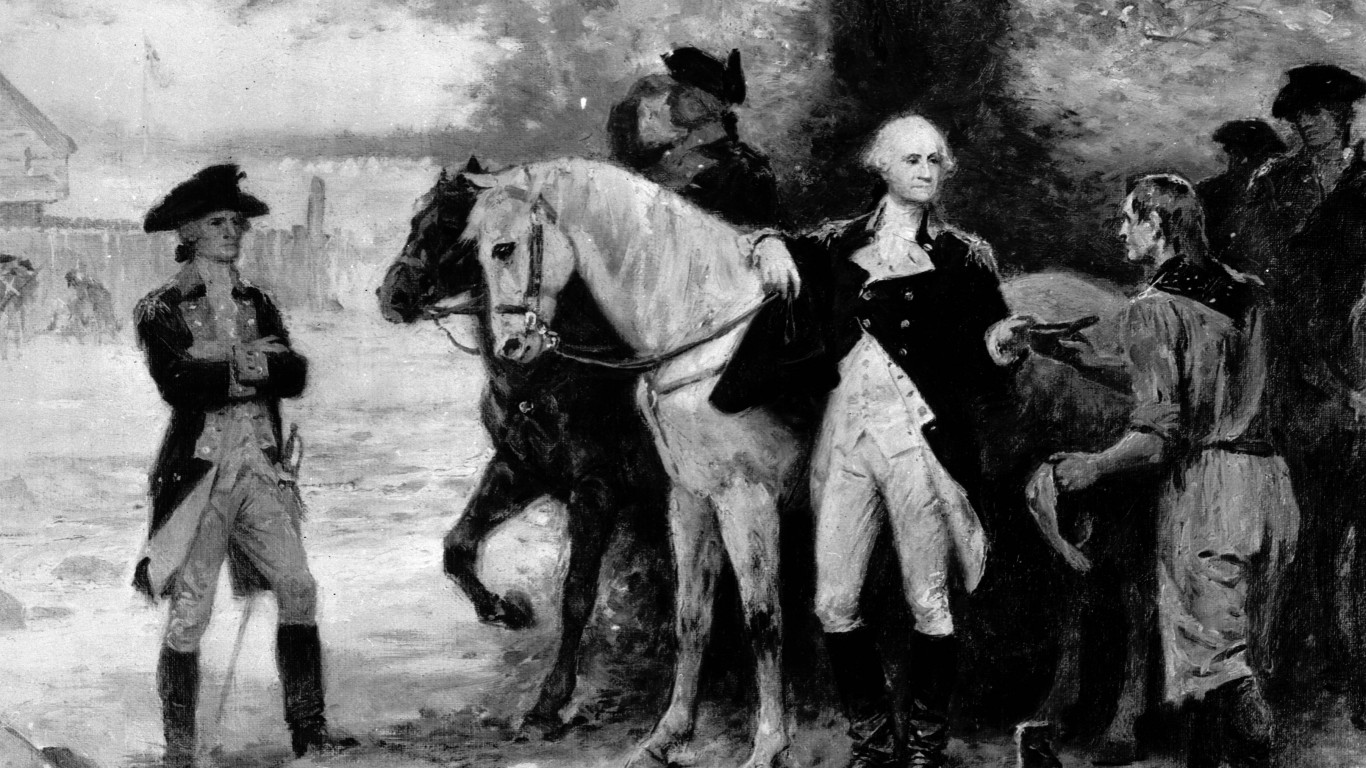
George Washington was chosen to preside over the Constitutional Convention as one of the most prominent and well-liked Americans. He was believed to be fair and impartial, provide the right level of credibility to the convention, and, in some cases, be the great uniter among disagreeing delegates.
12. Question
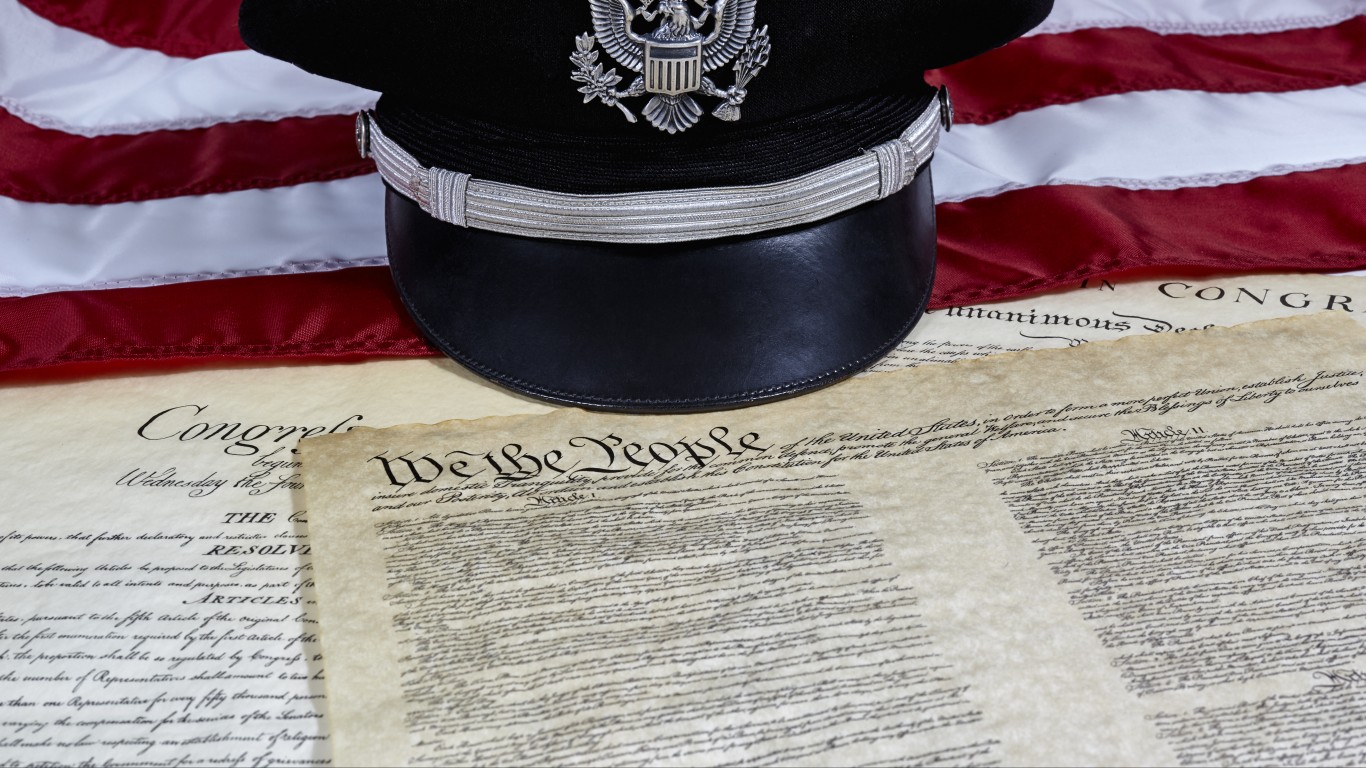
What is the significance of the preamble of the Constitution?
Answer: Introducing the Document
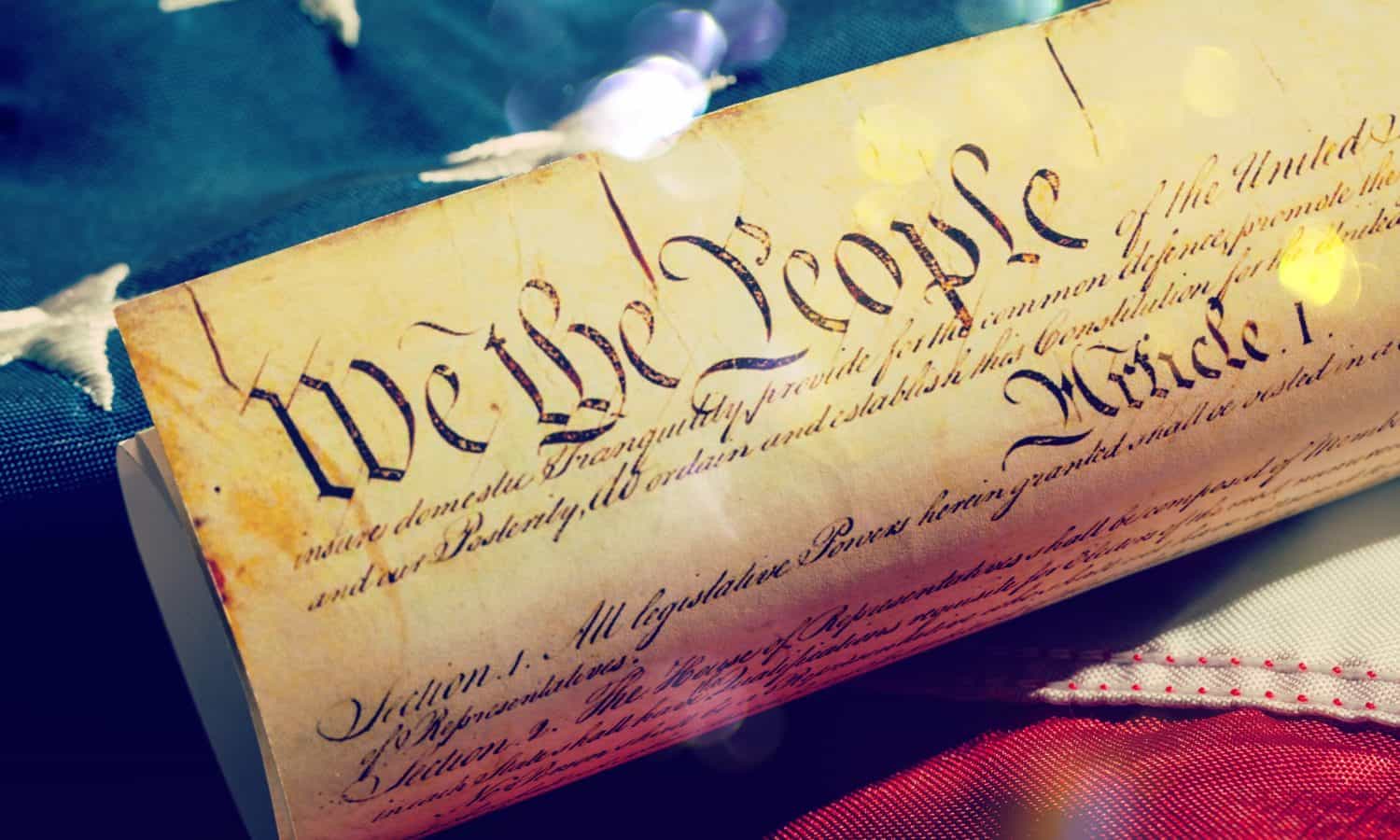
The preamble of the Constitution cannot be overstated. This part of the Constitution outlines its purpose, such as forming a more perfect union. While it is not legally binding, the preamble is widely regarded as setting up the document’s importance and foundation for all Americans.
13. Question
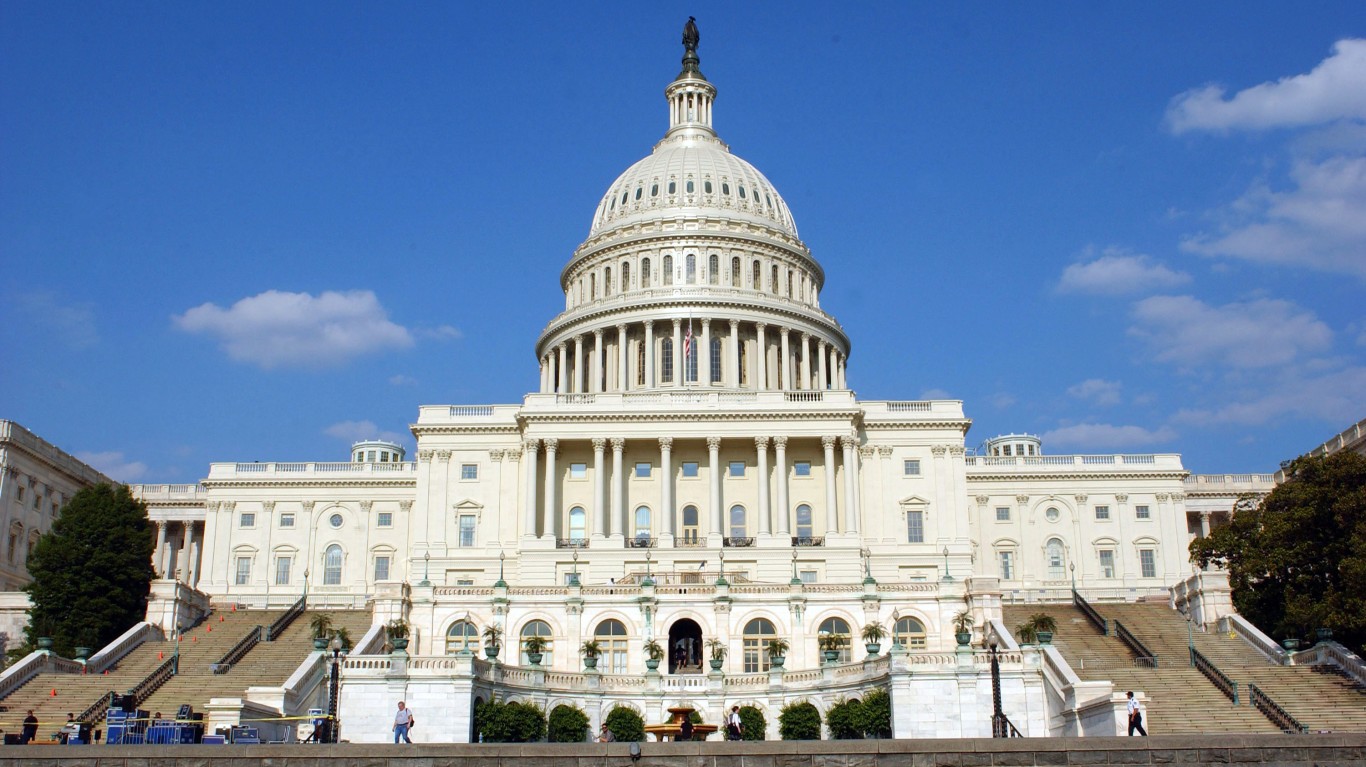
Why was a federal system of government chosen?
Answer: A Balance of Power
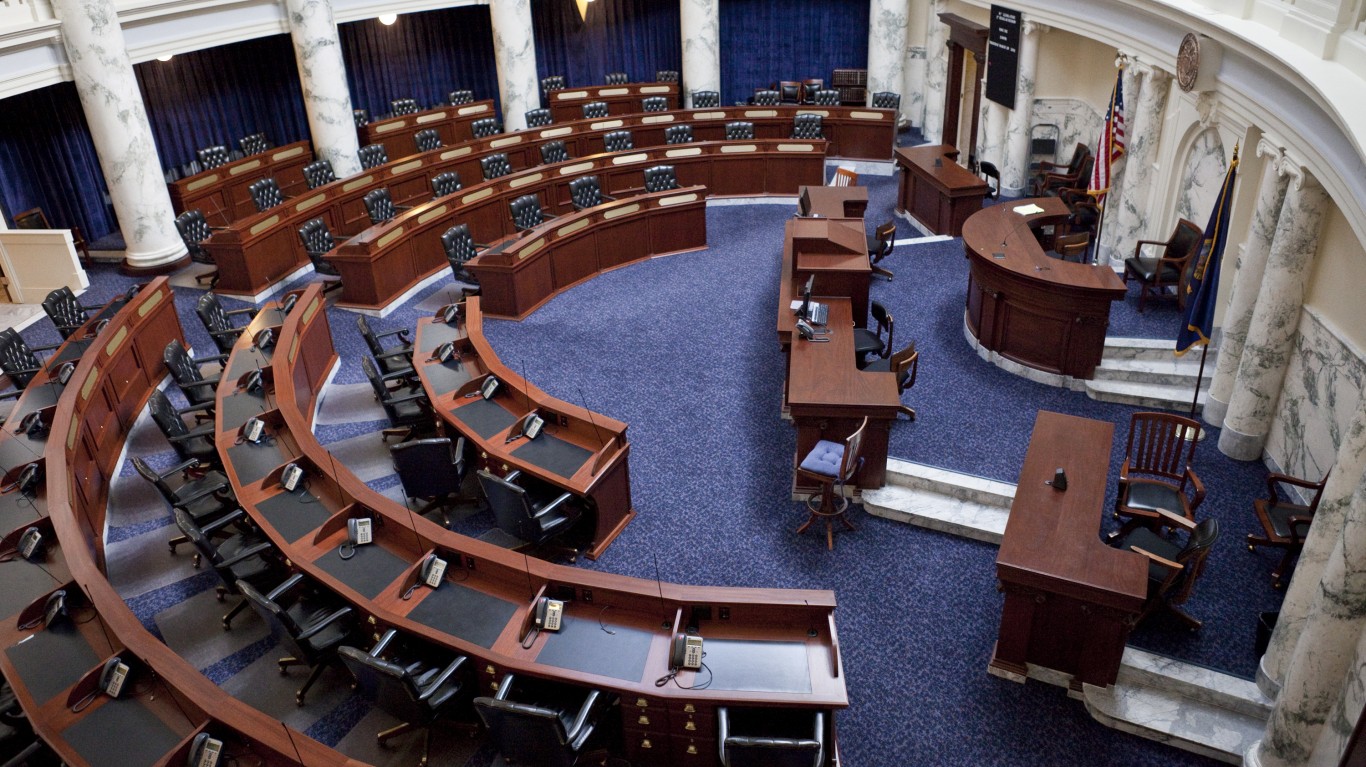
As the delegates of the Constitutional Convention wanted to do everything to avoid nominating a future king, they chose a system that balanced the power between national and state governments. The Constitution ensures that neither side can be more powerful than the other.
14. Question
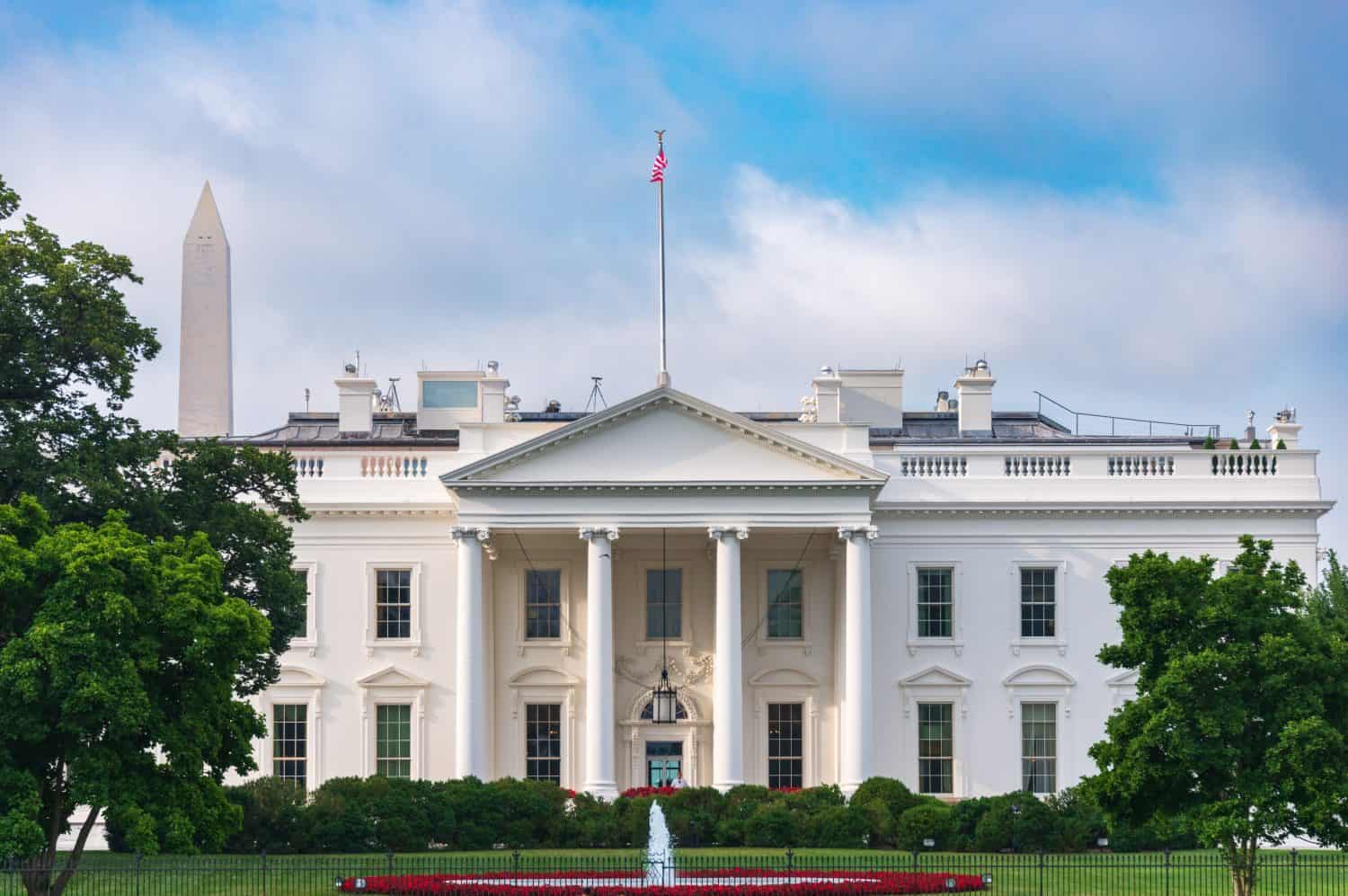
What was the importance of establishing three separate branches of government?
Answer: Separation of Powers
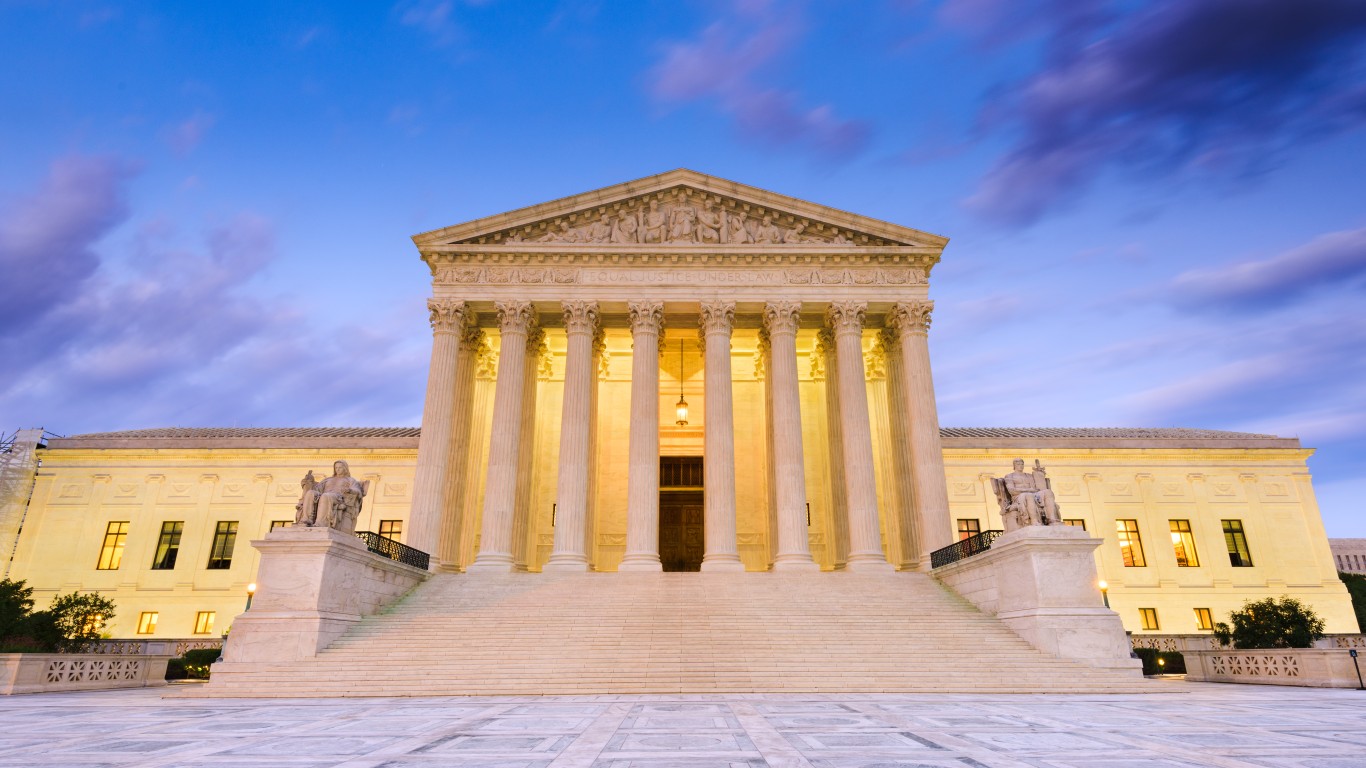
The Constitutional Convention delegates understood that a king was a concern, so they established three branches to ensure an appropriate separation of power. Each branch can “check and balance” the other branches to ensure none is more powerful than the others.
15. Question

Why did the framers of the Constitution establish the process by which amendments could be added?
Answer: A Living, Breathing Document
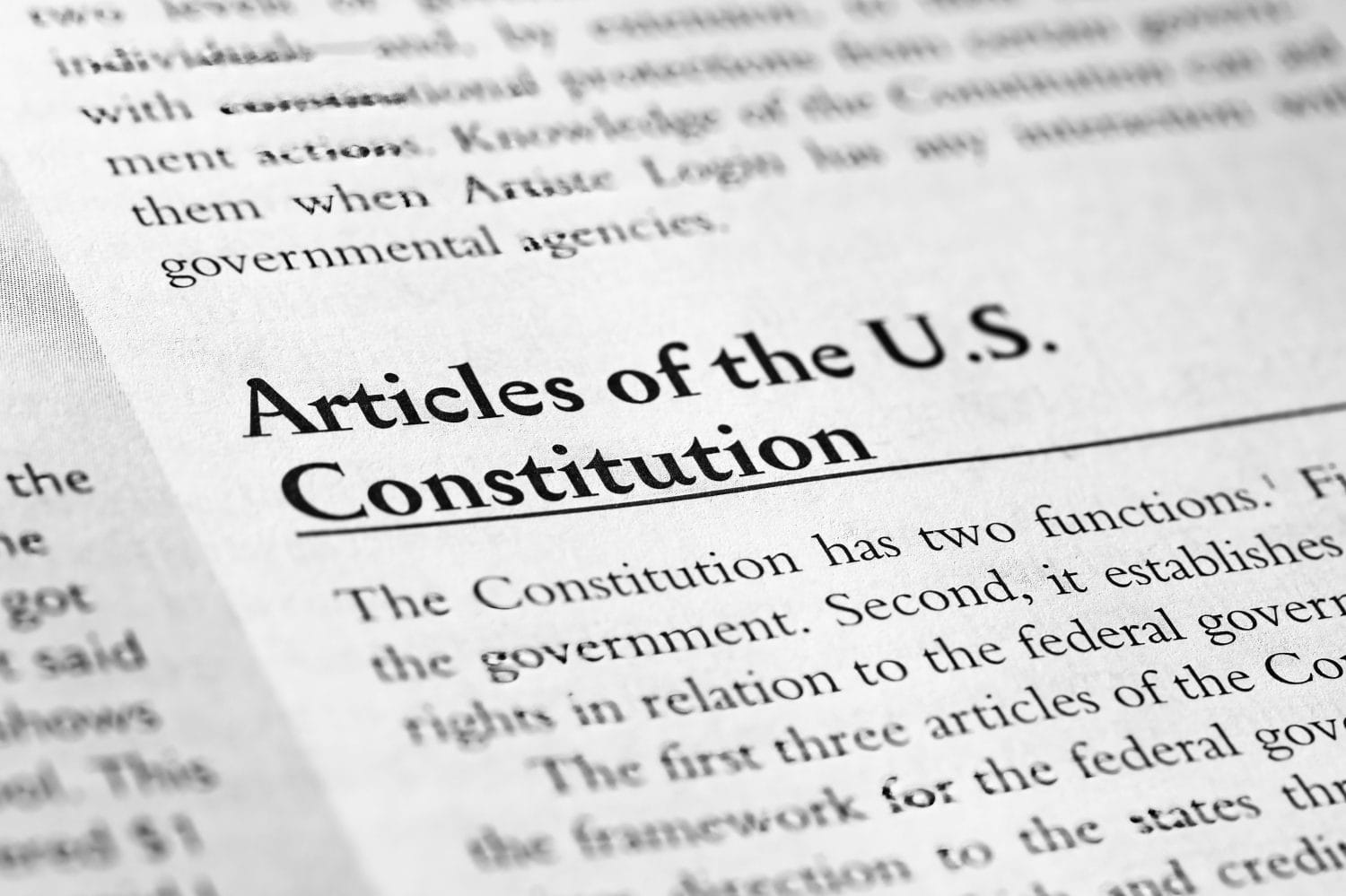
The framers of the Constitution were wise men and knew that the Constitution should be a living, breathing document. Because of this, Article V of the Constitution enables a process for rigorously proposing and ratifying new amendments to ensure almost universal agreement on any new amendment.
16. Question
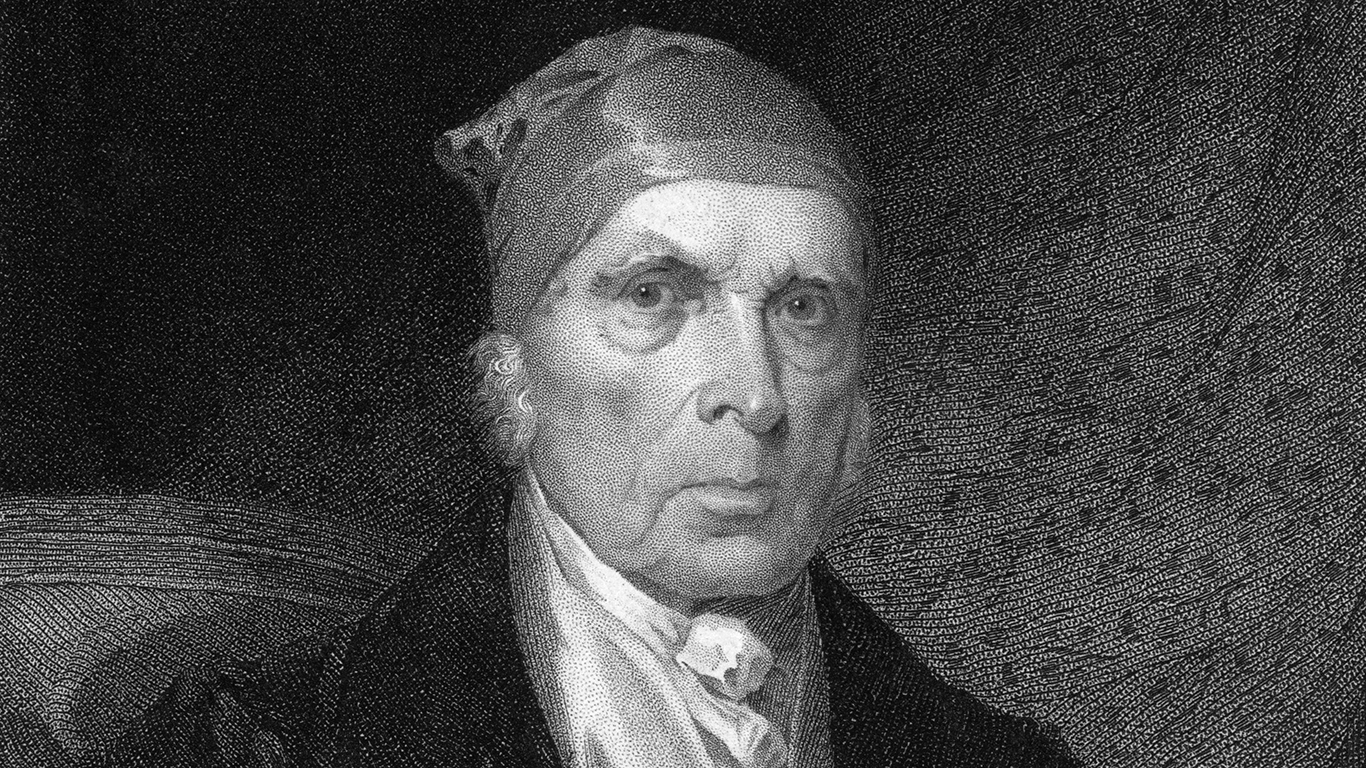
Were there any other Constitutional authors other than James Madison?
Answer: Yes
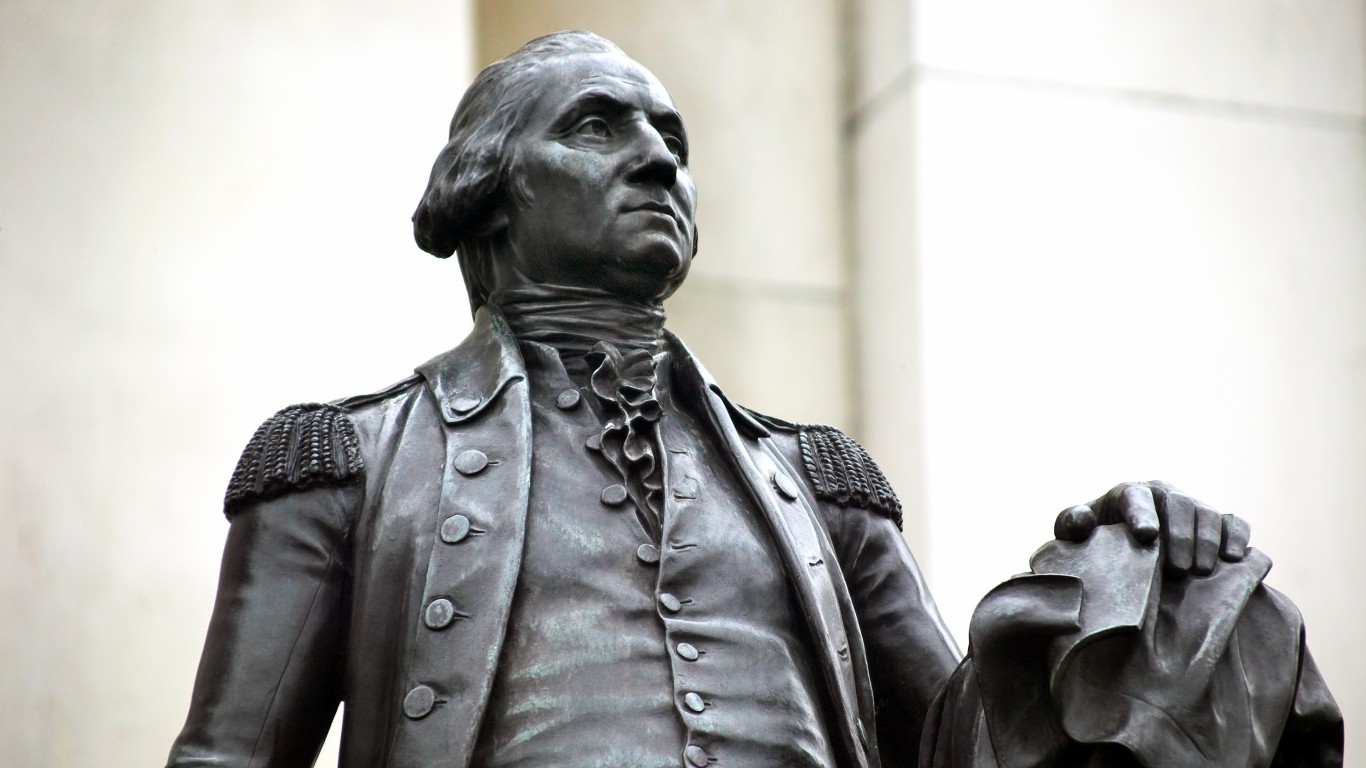
While James Madison is known as the father of the Constitution, plenty of names are associated with the document, including Olliver Ellsworth, William Johnson, Rufus King, Edmund Randolph, Nathaniel Gorham, Benjamin Franklin, and George Washington.
17. Question
What is the structure of the Constitution?
Answer: Three Different Sections
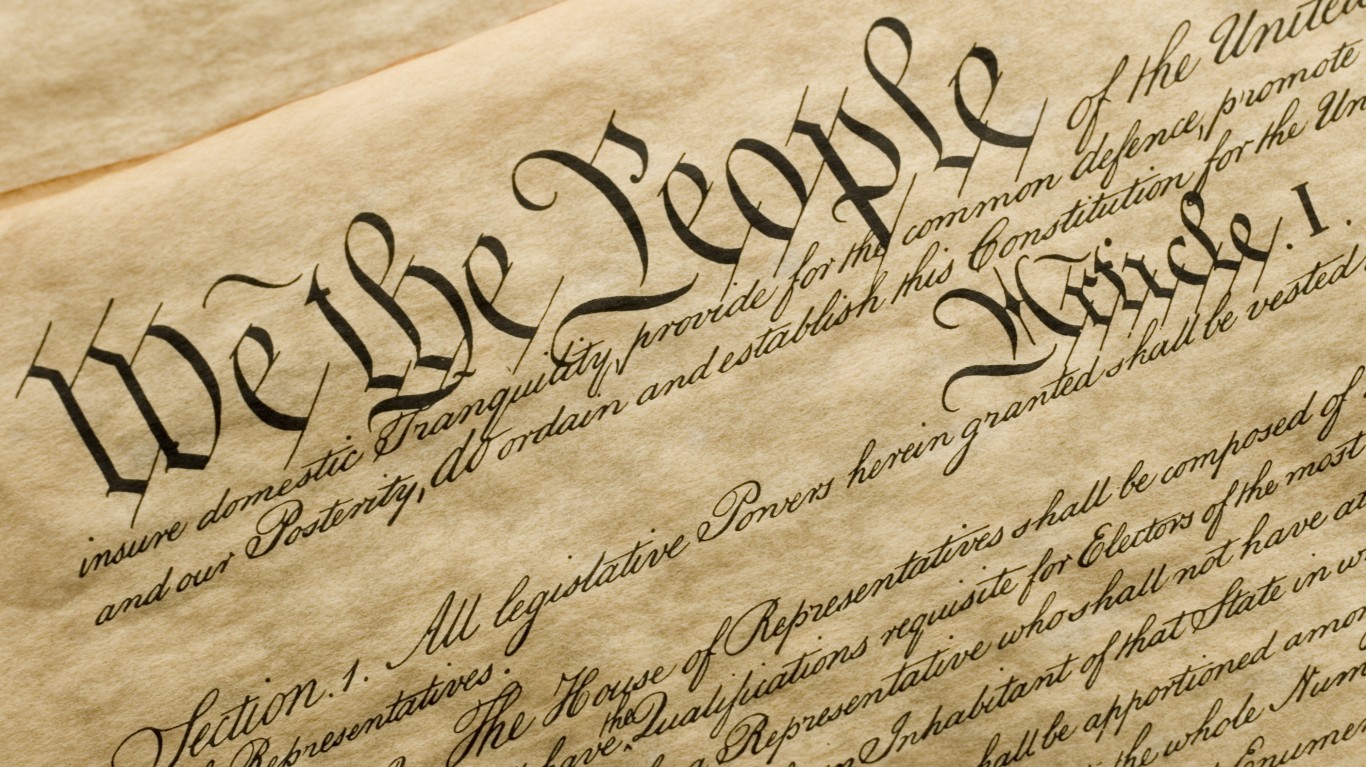
The Constitution is divided into three different and unique sections. The first is the Preamble, which explains the document’s purpose and outlines that the government’s power comes from the people. Then, seven articles establish the structure of the government, including the three branches. Lastly, 27 amendments, including the Bill of Rights, outline, clarify, or modify various aspects of the Constitution.
18. Question
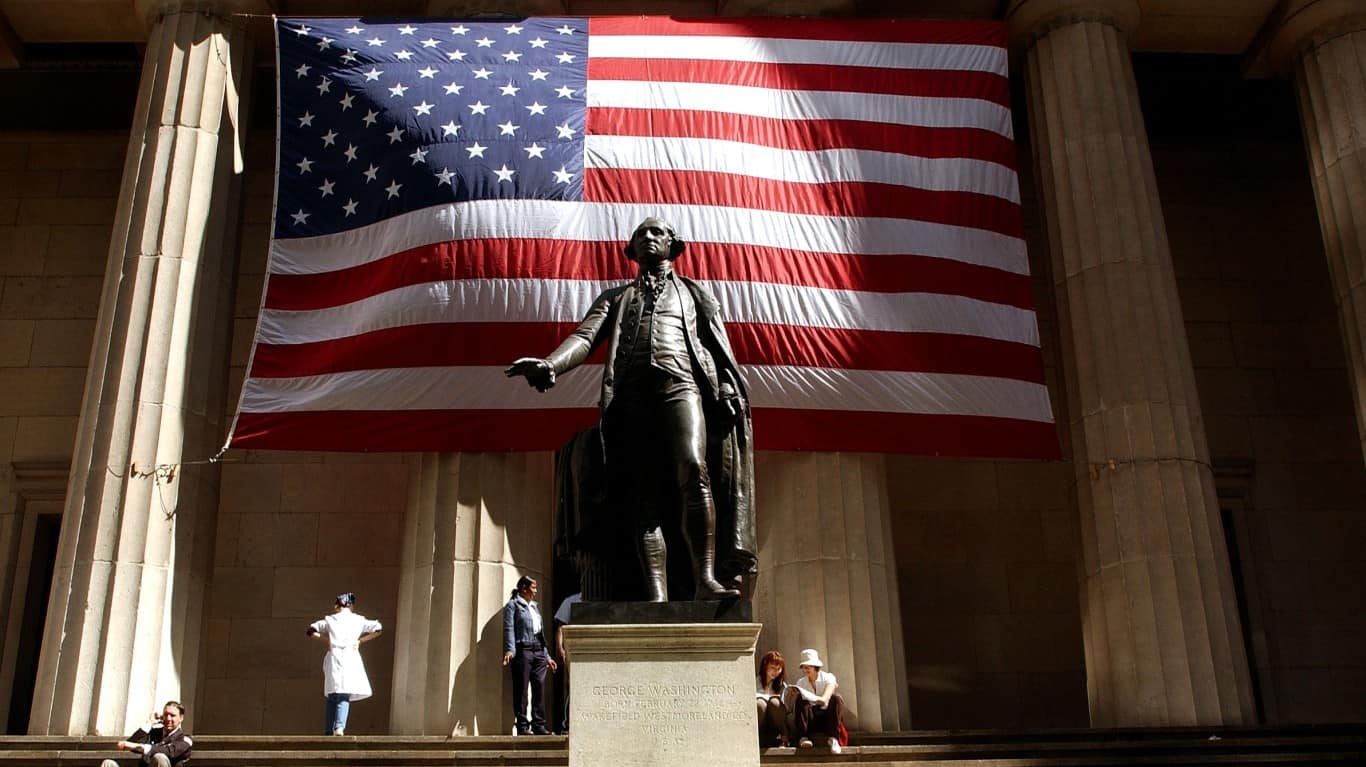
What are the “enumerated powers?”
Answer: Congressional Powers
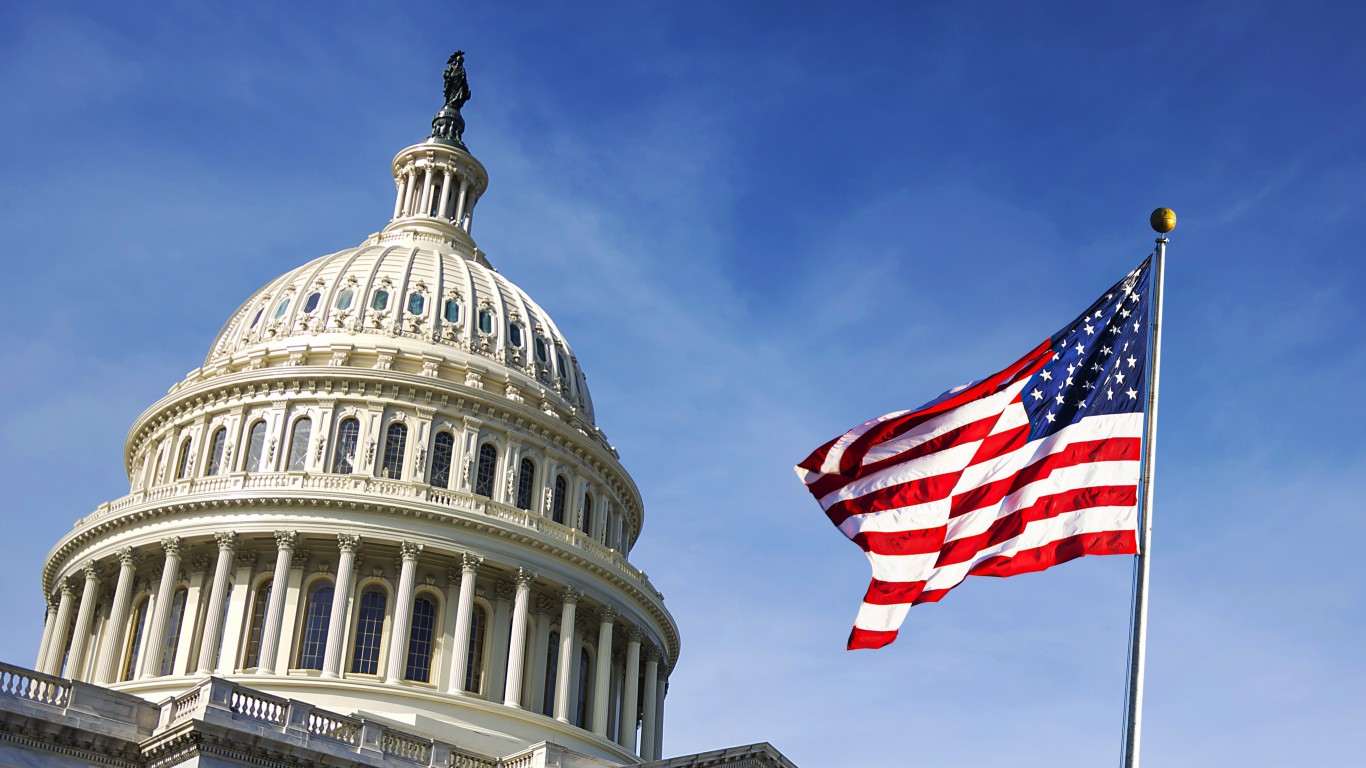
These powers are outlined in the Constitution as the powers provided to Congress. Available in Article 1, Section 8, these powers allow Congress to institute taxes, coin (or print) money, regulate all commerce, and declare war. They also allow Congress to establish a post office, regulate immigration, and raise and support an army and navy.
19. Question

How did the Constitution tackle the issue of slavery?
Answer: Three-Fifths Compromise
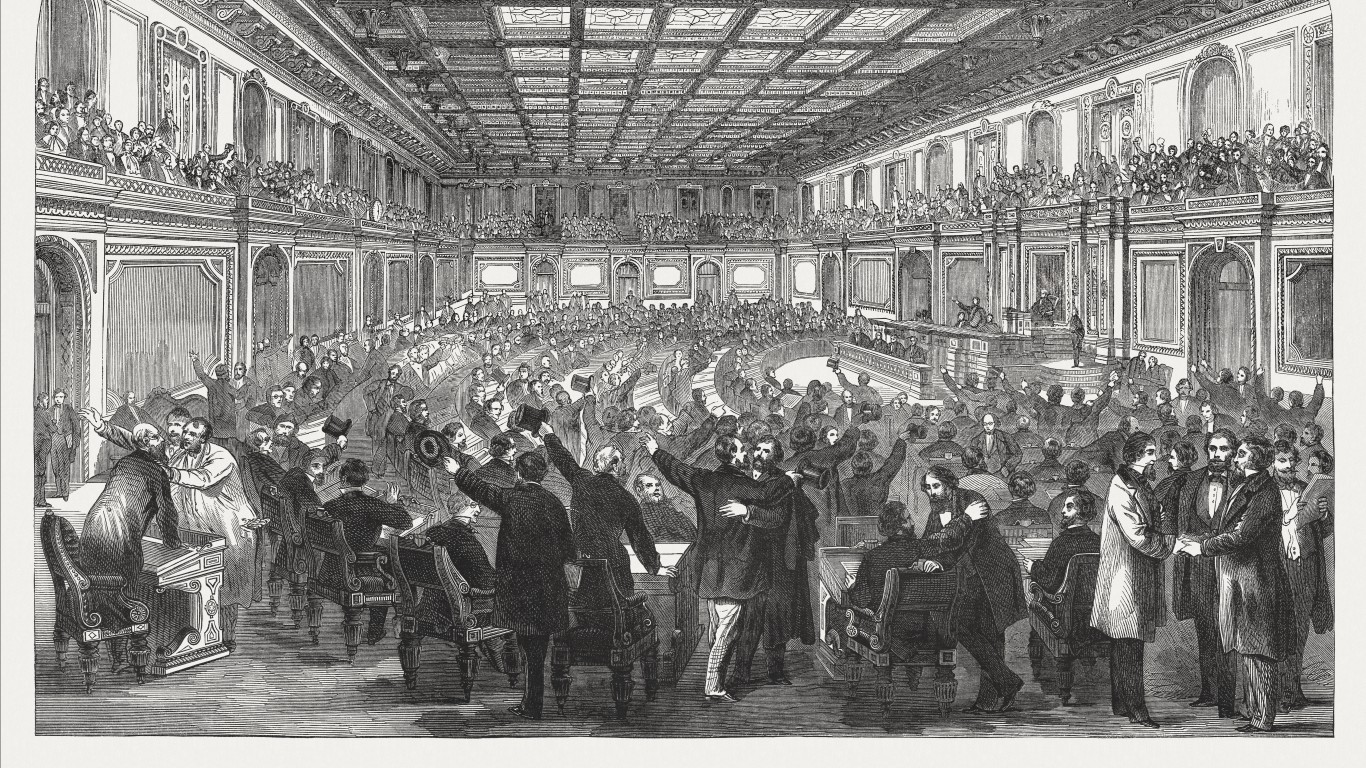
One of the most difficult parts of the Constitution is that it created the three-fifths clause in Article I, Section 2, in which slaves were counted as three-fifths of a person for taxation. This compromise between the North and South states, which the 13th Amendment would later make the ratification moot, made all men and women in the United States equal under the law.
20. Question

Does the Constitution make the President the head of the military?
Answer: Yes, Sort Of

While the Constitution gives Congress the sole right to declare war, the President of the United States, as defined in Article II, Section 2, Clause 1, is known as the “Commander in Chief” of the Army and Navy and the colonies’ militia. As such, the President could deploy American forces outside the country, decide when a military attack occurred, and commit American military forces to combat operations.
21. Question
What is the purpose of the 10th Amendment?
Answer: Power to the People

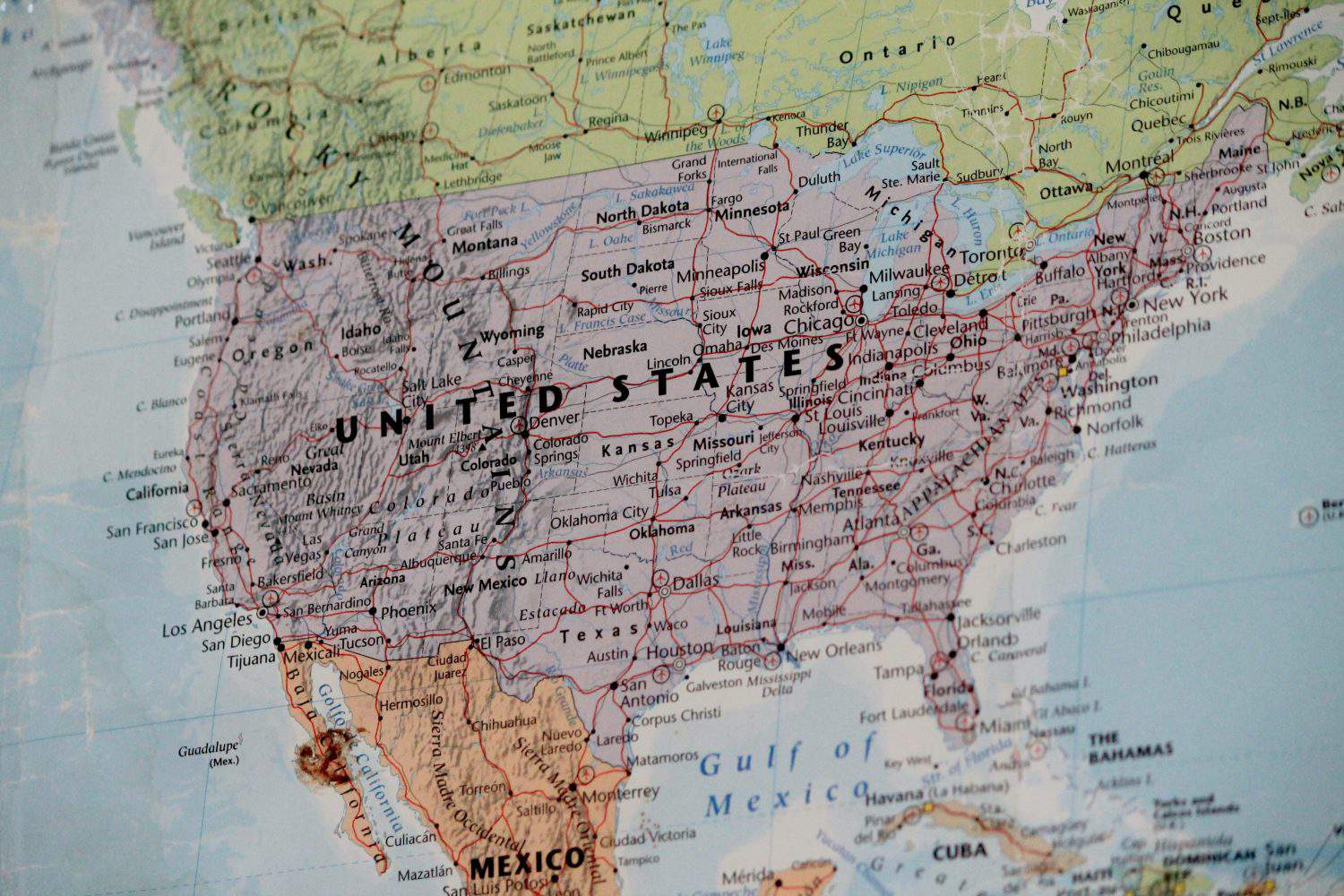
With the 10th Amendment, the Constitution restricts the newly formed national government from exercising any powers not explicitly laid out in the document. It also ensures that the states can execute the powers provided to them by the document. Most importantly, this amendment ensures that any powers not listed in the Constitution belong to the states and their people.
22. Question

Why is the First Amendment so important?
Answer: Basic Civil Liberties

The First Amendment, arguably the most important of all amendments, gives all Americans five fundamental rights. These include freedom of speech, freedom to practice religion, freedom of the press, the right to peaceful assembly, and the right to petition the government for changes. These rights guarantee that all Americans can express ideas and criticize the government’s actions without interference.
23. Question

How is a new amendment added to the Constitution?
Answer: Article V

Article V outlines that Congress can propose the amendment process with a two-thirds vote in the House and Senate or by a constitutional convention called by two-thirds of state legislatures. Any amendment must be ratified by three-fourths of the states.










 Top Gaining Stocks
 Top Losing Stocks