


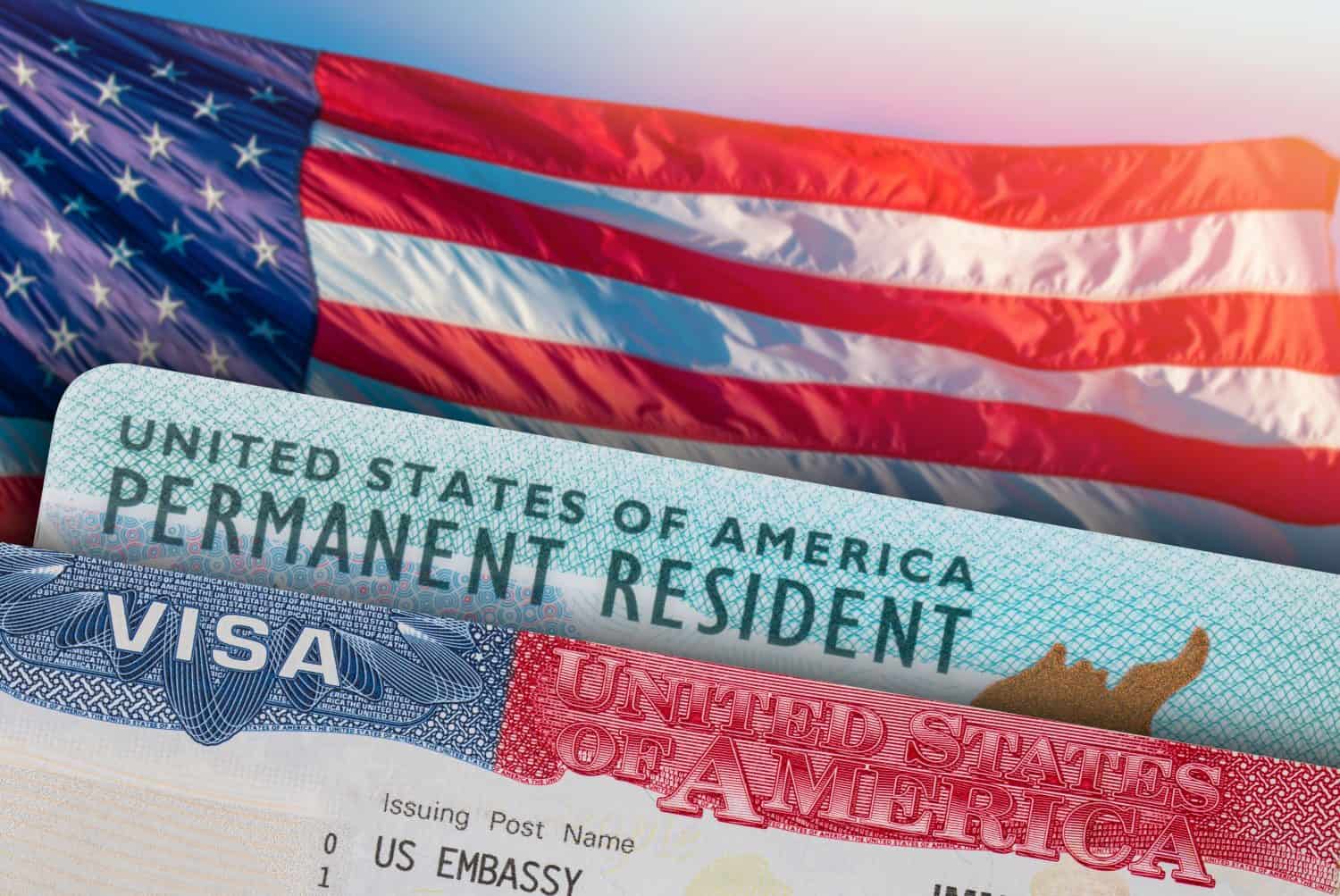
Immigration has long been a major topic of conversation, and the discussion has only gained traction under a second Trump presidency. Unfortunately, separating truth from fiction can be tricky, as the topic of immigration is surrounded by deeply ingrained beliefs that are not always backed up by facts. Much of the most repeated information regarding immigration does not align with truth or come from reputable sources. Public opinion is all too often shaped by political rhetoric and selective news coverage, leading to false assumptions. Distinguishing between evidence-based conclusions and widely circulated misconceptions is crucial to truly understanding this complicated topic.
One prevalent myth is that immigration significantly increases crime rates. Decades of studies through organizations like the Cato Institute and the American Immigration Council consistently show that both documented and undocumented immigrants commit crimes at lower rates than native-born citizens. Other misconceptions, such as the claim that immigrants overtax welfare programs or “steal jobs” from Americans, are often unsupported by data. They also dismiss the economic contributions of immigrant communities in agriculture, health care, and technology.
This slideshow will separate myth from fact, providing a clear understanding of the real impacts of immigration on society, the economy, and public safety. Each slide addresses a common myth using credible, bipartisan, and academic sources. The goal is to help those interested navigate a complex topic backed by verifiable information.
Myth 1: Immigrants Increase Crime Rates

- Research reveals immigrants commit crimes at lower rates than native-born citizens.
- This conclusion is supported by multiple large-scale studies, including FBI and Census data comparisons.
- This information applies to both documented and undocumented immigrants.
Myth 2: Immigrants Take Jobs from Citizens

- Economists have found that immigration has little to no negative impact on overall employment for native-born workers.
- Immigrants are often hired in sectors facing labor shortages, such as agriculture and elder care.
- They also are just as capable of creating new jobs through entrepreneurship as American citizens are.
Myth 3: Immigrants Burden Welfare Programs

- Most immigrants are ineligible for federal benefits for their first years in the U.S.
- Studies show immigrants contribute more in taxes than they receive in public benefits.
- Second-generation immigrants have even higher rates of economic contribution.
Myth 4: Immigrants Don’t Pay Taxes

- Undocumented immigrants pay billions in taxes annually through sales, property, and income taxes.
- The Social Security Administration reports billions contributed to the trust fund by undocumented workers.
- All immigrants contribute to local and state tax bases.
Myth 5: Immigrants Refuse to Learn English

- Most immigrants in the U.S. learn English within a generation.
- English proficiency rates among immigrants have steadily increased over the decades.
- Immigrants often enroll in ESL programs to improve language skills.
Myth 6: Immigrants are Mostly Undocumented

- The majority of immigrants in the U.S. are here legally.
- Roughly three-quarters of foreign-born residents have legal status, including naturalized citizens and green card holders.
- Visa overstays outnumber illegal border crossings.
Myth 7: Immigrants Cause Overpopulation

- U.S. population growth is slowing , and immigration helps sustain workforce numbers.
- Without immigration, the U.S. would face challenges from an aging population and shrinking labor force.
- Immigrants help stabilize demographic trends.
Myth 8: Immigrants Bring More Disease

- All legal immigrants undergo health screenings before entry.
- There is no evidence immigrants cause higher disease rates in the U.S.
- Public health improvements come from access to care for all residents.
Myth 9: Immigrants Don’t Serve in the Military

- Tens of thousands of immigrants serve in the U.S. military.
- Non-citizen service members have earned medals of honor and other distinctions.
- Military service can be a path to citizenship for many immigrants.
Myth 10: Immigrants Refuse to Assimilate

- Immigrants often adopt .S. cultural practices while preserving their heritage.
- Second-generation immigrants show high rates of cultural and civic engagement.
- Assimilation has been a continuous immigration process throughout U.S. history.














 Top Gaining Stocks
 Top Losing Stocks