


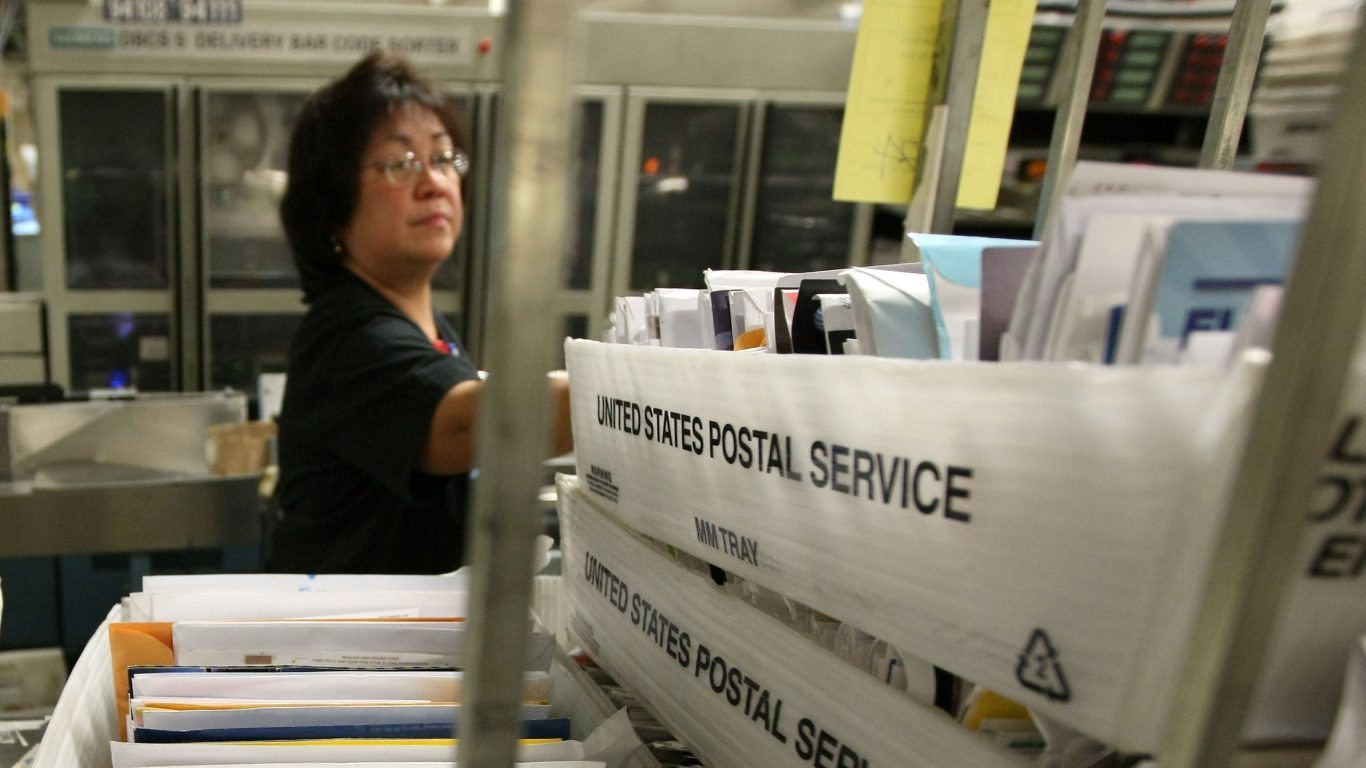
Beginning July 1, a new pricing structure goes into effect for low-value, small packages shipped internationally. The change was approved last fall by the Universal Postal Union, an international organization representing 192 countries, including the United States.
The new agreement was reached following a threat by the United States to withdraw from the UPU over a rule that offered lower pricing to developing countries that shipped goods into developed nations like the United States. Among those developing countries was China, hardly a developing economy in 2019.
The Trump administration argued that China should no longer benefit from the lower rates offered to developing countries and threatened to withdraw from the UPU unless “self-declare” rates were adopted. The UPU approved the change in October and it will go into effect July 1.
That the USPS was losing money under the old rules was not in dispute. An inspector general’s report in 2015 lost about $75 million annually under the old system.
[nativounit]
The new agreement permits countries to self-declare their rates for receiving inbound parcels from foreign countries. According to a report at American Shipper, the new UPU rule “permits the U.S. and any country it does business with to hike rates up to but not exceeding 70% of what would be charged to deliver a domestic mail and parcel shipment.”
Had that been the end of the story, it would have helped the U.S. Postal Service (USPS), which handles about half of the world’s mail. But the UPU rule also allows foreign destination post offices to raise their rates on parcels originating in the United States.
The effect could be to lift USPS rates above the prices charged by private carriers like DHL and United Parcel Service Inc. (NYSE: UPS | UPS Price Prediction). U.S. shippers now have an incentive to switch from the USPS to the private carriers.
The biggest threat to the USPS is a lack of cash. Unless the agency gets a $75 billion infusion of cash from the next coronavirus relief bill, it will run its cash balance to zero by the end of September. The president has said he would not approve any funding for the USPS unless it quadruples its rates, a move that would essentially force one of the agency’s biggest customers, Amazon.com Inc. (NASDAQ: AMZN), to negotiate with other delivery services or bring its delivery in-house.
[recirclink id=714458][wallst_email_signup]







 Top Gaining Stocks
 Top Losing Stocks