


Robots are already delivering the mail, on a very modest level. Swiss Post is testing Starship Technologies robots to deliver parcels. A similar trial will come to the United States soon. Like most robotic technologies, the delivery vehicles will become more advanced over time, just as self-driving cars and drones are. And government agencies around the world will approve these sorts of technologies as they become both useful to replace functions currently done by humans and safe to the general public.
No U.S. agency needs this sort of human replacement more than the United States Postal Service (USPS). It continues to bleed money, although its boosters would say the financial problems are due largely to Postal Service Retiree Health Benefits Fund prefunding obligations, a net deficiency listed in its financials. However, in the period that ended June 30, the USPS lost $1.6 billion on revenue of $17.7 billion.
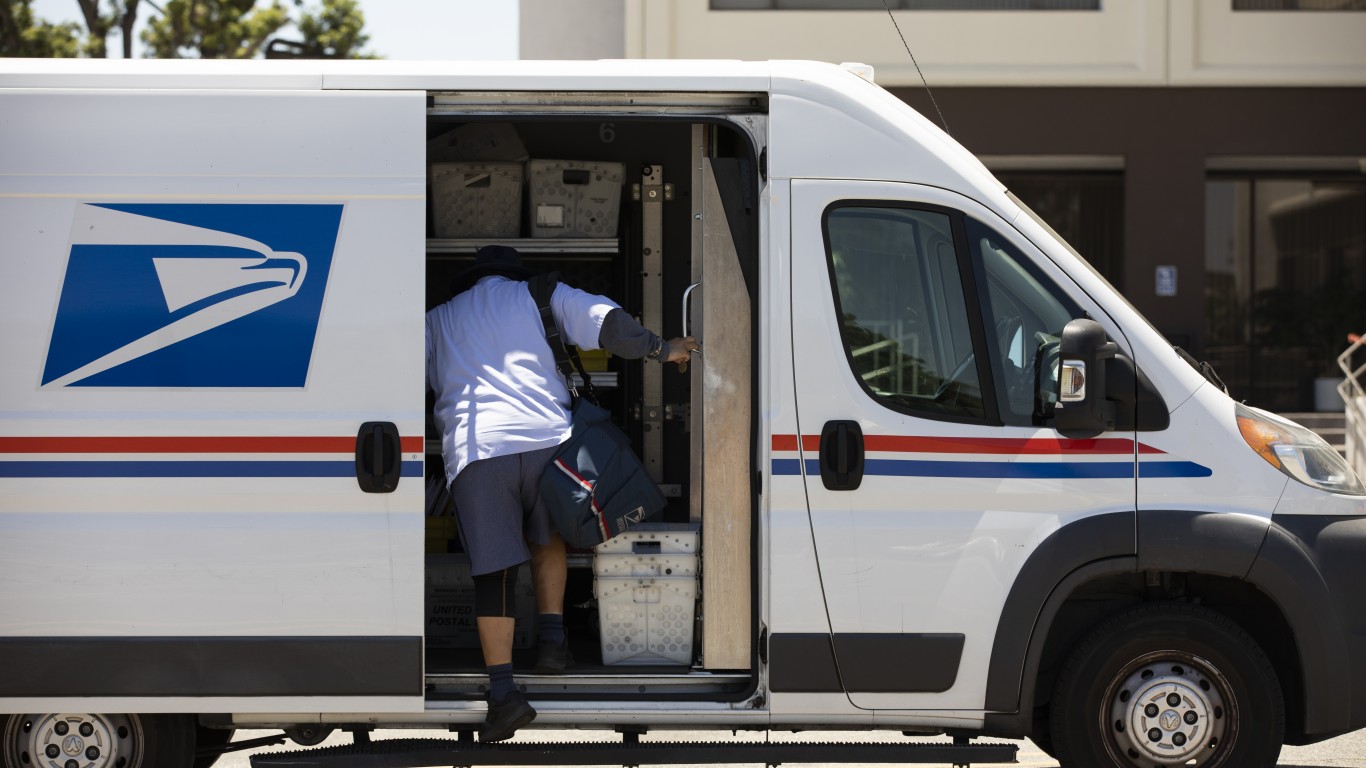
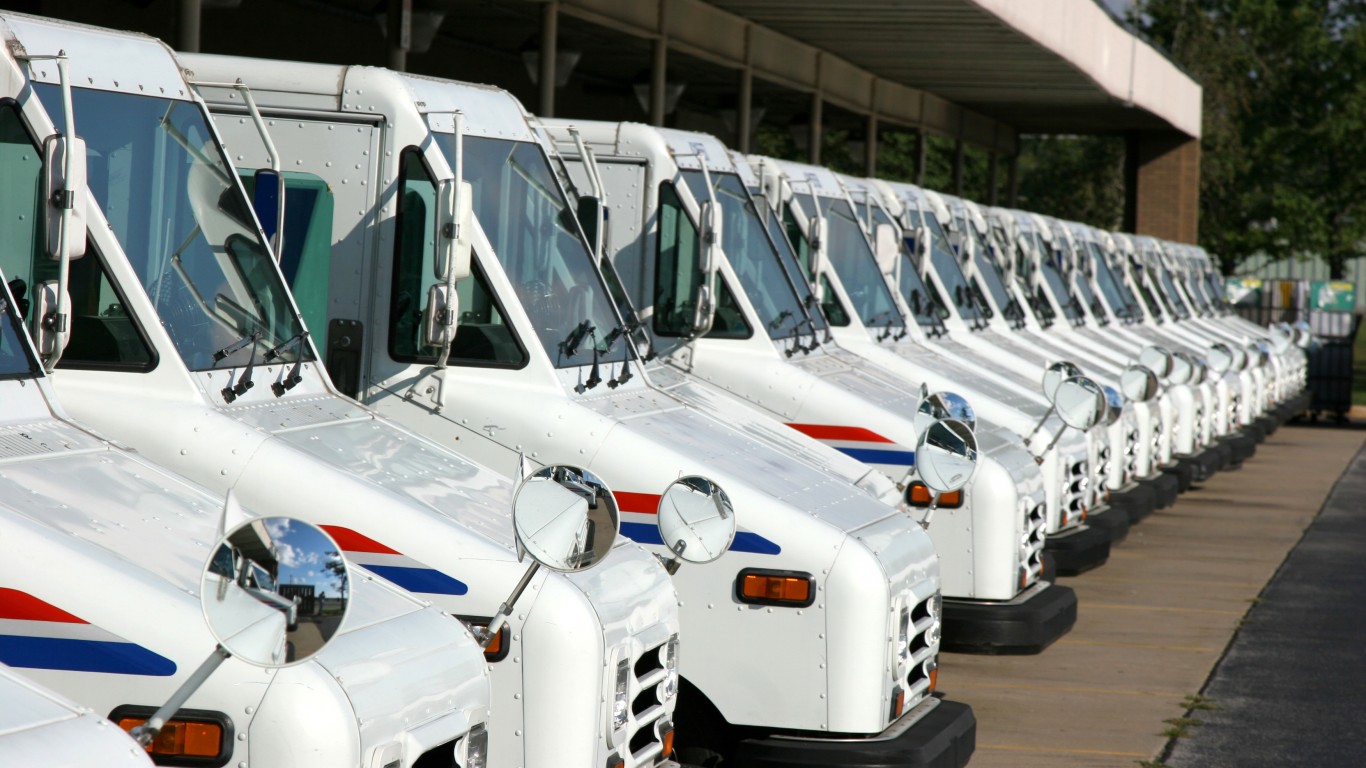
One of the primary criticisms of the USPS is that it is overstaffed with relatively highly paid people. Its payroll every two weeks is $1.8 billion in salary and benefits. It has 493,381 career workers and 131,732 non-career employees. For some reason it brags it has 214,933 vehicles, one of the largest civilian fleets in the world. Who would not like to see that number get smaller? It also has an extraordinary 31,606 retail offices.
[nativounit]
For the time being, most of the tests of Starship Technologies robots are for food and health care products. However, a description of the company indicates it will have a much larger goal for services:
Former Skype co-founders have today announced the launch of a new company, Starship Technologies, which aims to fundamentally improve local delivery of goods and groceries, making it almost free.
Starship Technologies will introduce fleets of small, safe, practical, free from CO2 emissions, and best of all, earthbound, delivery robots, which will create unprecedented convenience and cost savings for individuals, while opening up new opportunities for businesses such as parcel delivery firms or grocery stores.
Critics worry that robots will replace humans in a number of job categories. If a car can drive itself in half a dozen years, robots can deliver the mail.
[wallst_email_signup]







 Top Gaining Stocks
 Top Losing Stocks