


Manhattanites and other major city dwellers may be familiar with two-floor subway elevator operators. These technicians, if we can call them that, serve the purpose of pushing one of two buttons over and over and over again for an entire work day: “up” and “down.” Upon entering one of these elevators, subway riders may begin to question why these jobs exist in the first place. The academic answer is to put people on the employment books so as to stimulate the economy with better statistics, or something similar. But the real answer is that their jobs are entirely useless, and their labor could be better employed elsewhere. But since the subway system is publicly managed, few care if it is efficiently using its labor force.
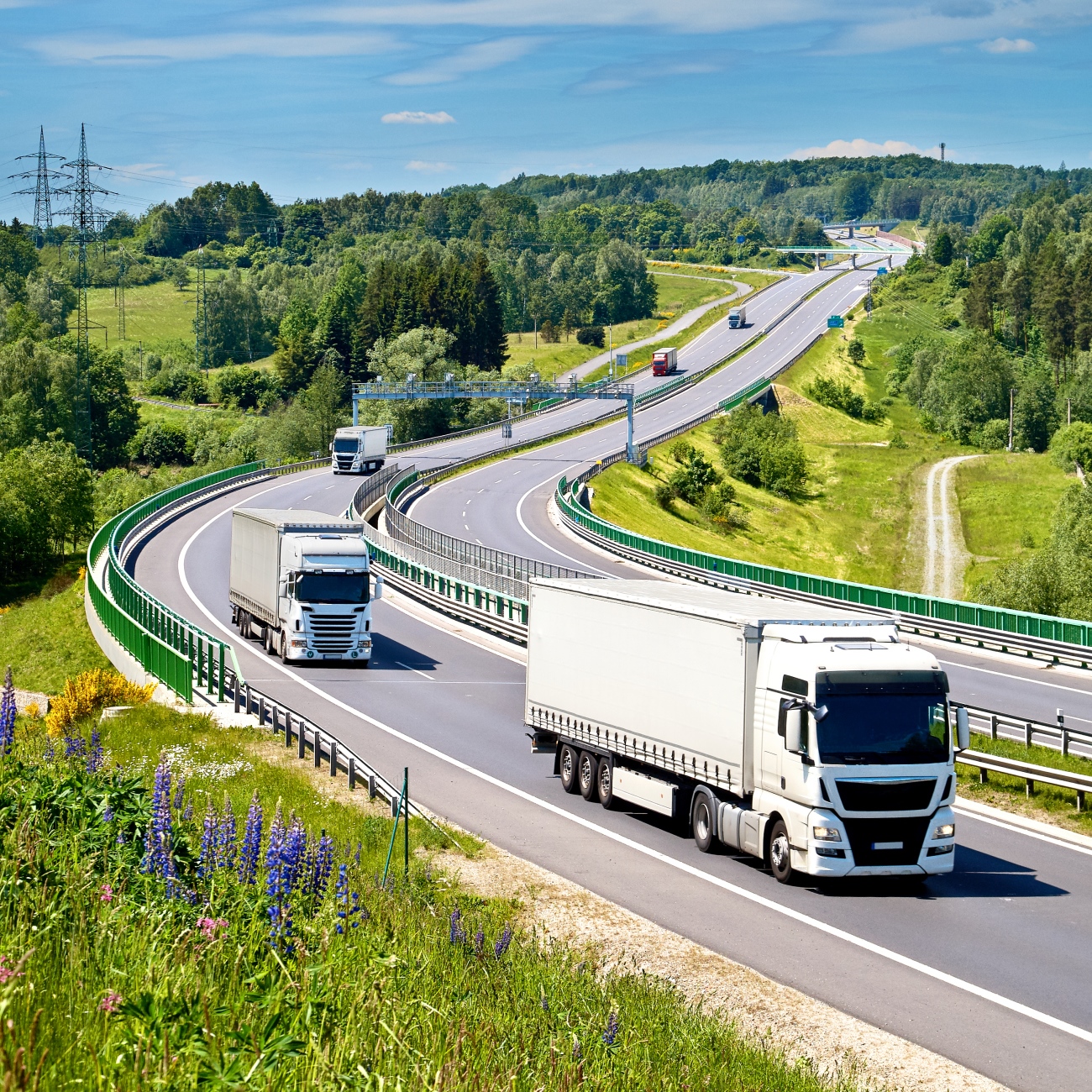
If you think about it though, subway elevator operators, as useless as they are, are not doing anything all that different from long distance truck drivers. Of course, in the case truck drivers, some of whom have to traverse the length of the continental United States over and over again, their services of holding down the gas pedal and staying awake for hours on end without getting into a fatal accident are quite necessary, and the skills involved in staying sane and alert through the monotony command a high price. A rookie salary of $40,000 a year is nothing to sneeze at for the skills of staying awake and keeping your mind nimble through the drag.
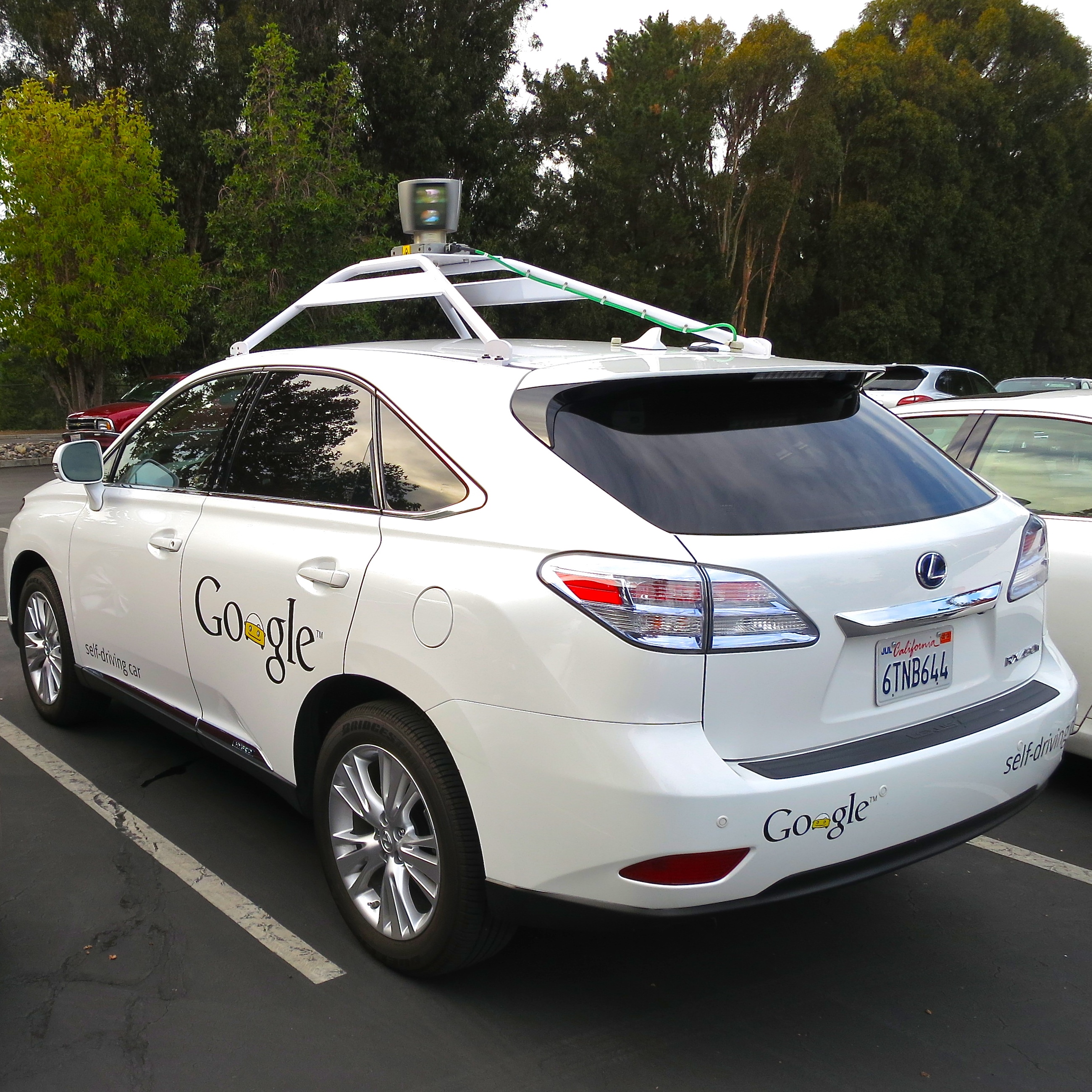
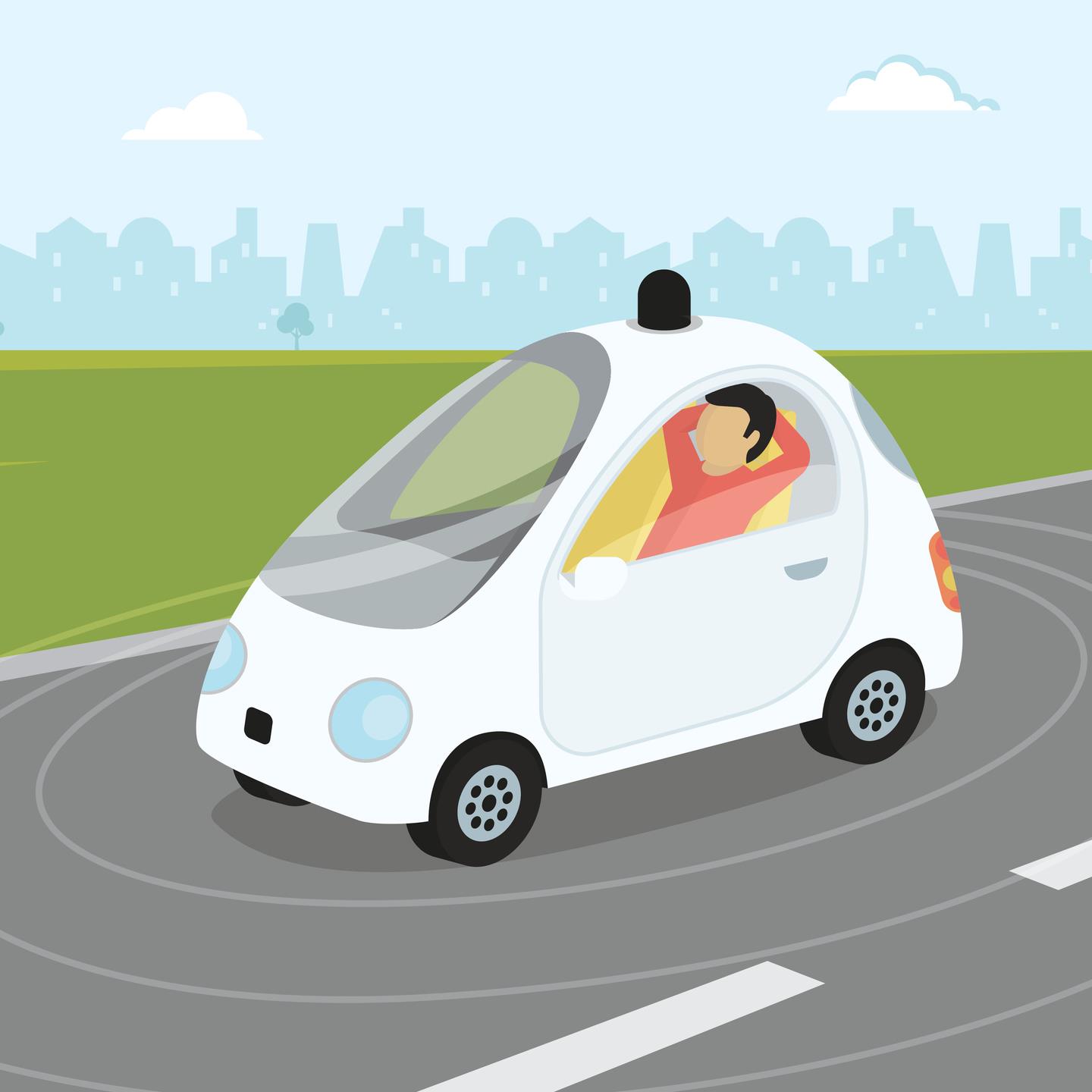
But this is the 21st century, so there must be a better way to transport goods cross country without spending so much just to find someone who can stay awake while holding down the gas. That’s why former Alphabet Inc. (NASDAQ: GOOGL) executives have broken off to form a new startup called Otto, seeking to equip existing trucks with driverless technology, but only for highway rather than urban driving. While Google is busy testing the intricacies of urban driverless tech requiring complex and flawless execution in order to avoid accidents within cities, this new breakaway team from Alphabet is after something much simpler that could significantly reduce transportation costs across the country.
Behind fuel costs, the costs of employing truck drivers is the second biggest factor in trucking costs, accounting for 26% of the real costs of transportation by truck. The reason the cost is so high is that the supply of people willing to stay awake for such long periods is very low, and the demand to transport cargo long distance is high.
[recirclink id=329972]
Driverless trucking technology aims to eat into what is now a $700 billion trucking industry. Trucker salaries account for about $182 billion of that at 26%. If we assume that success for driverless highway trucking can cheapen that labor by 10% to 20% by increasing the supply of drivers willing to do less demanding work, we’re talking about an $18 billion to $36 billion market.
Otto is already testing three autonomous trucks on California highways over the past few weeks, so the startup is already quite far along. Anthony Levandowski, the head of the new startup, had his previous startup 510 Systems acquired by Google in 2011 and formed the basis of Alphabet’s driverless technology. The acquisition was very secretive and not mentioned in any annual report from Alphabet, or then Google, forming part of the company’s secretive Google X segment.
Why Levandowski chose to break off from Alphabet after already being acquired could be evidence of disagreement within the company, but if he succeeds, the costs of transportation, and in turn the goods transported, could cheapen significantly, raising the standard of living for most Americans, except those truck drivers who will have to take a pay cut.











 Top Gaining Stocks
 Top Losing Stocks