Driverless Cars Could Cut Deaths 80%

Photo of Douglas A. McIntyre
By Douglas A. McIntyre Published
This post may contain links from our sponsors and affiliates, and Flywheel Publishing may receive compensation for actions taken through them.

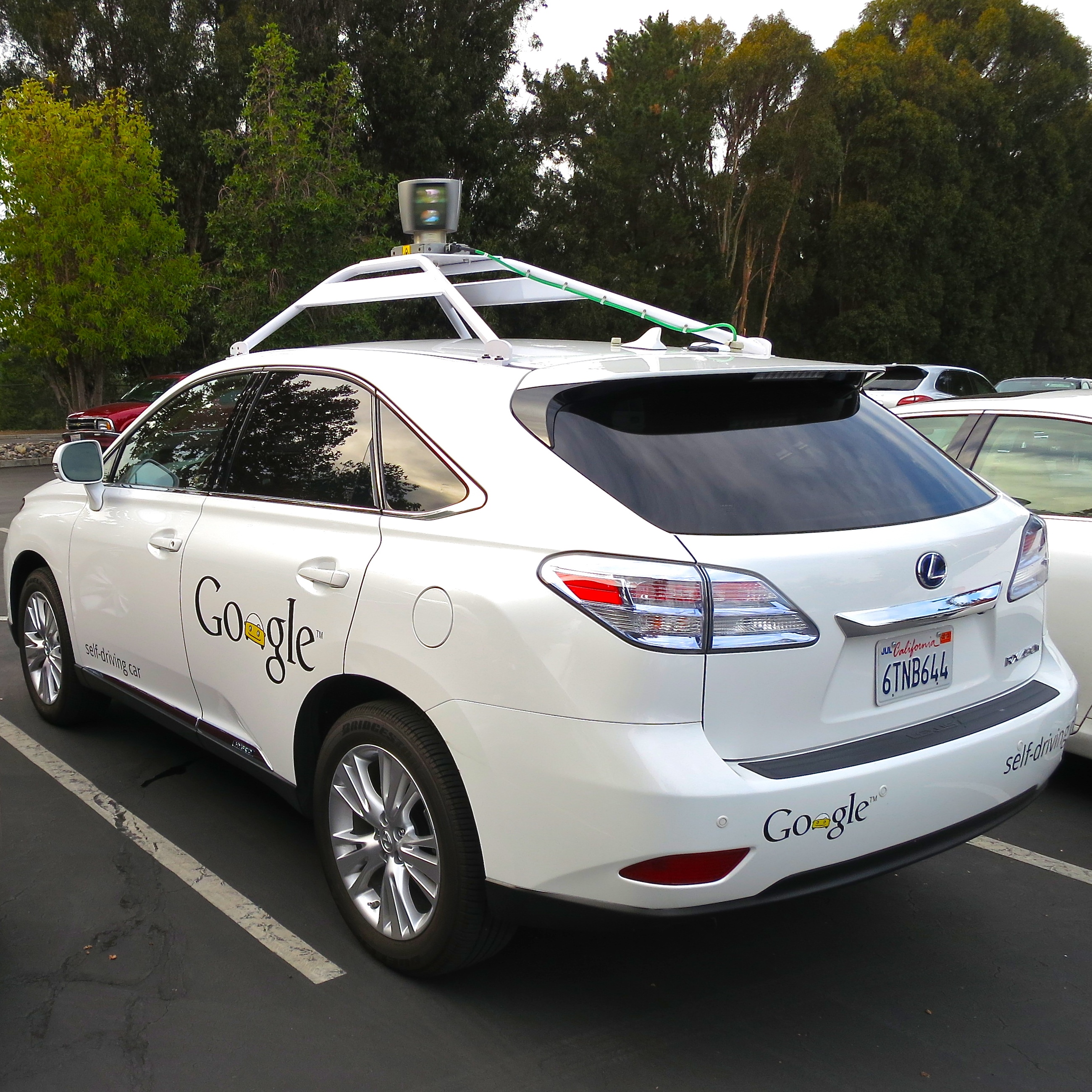
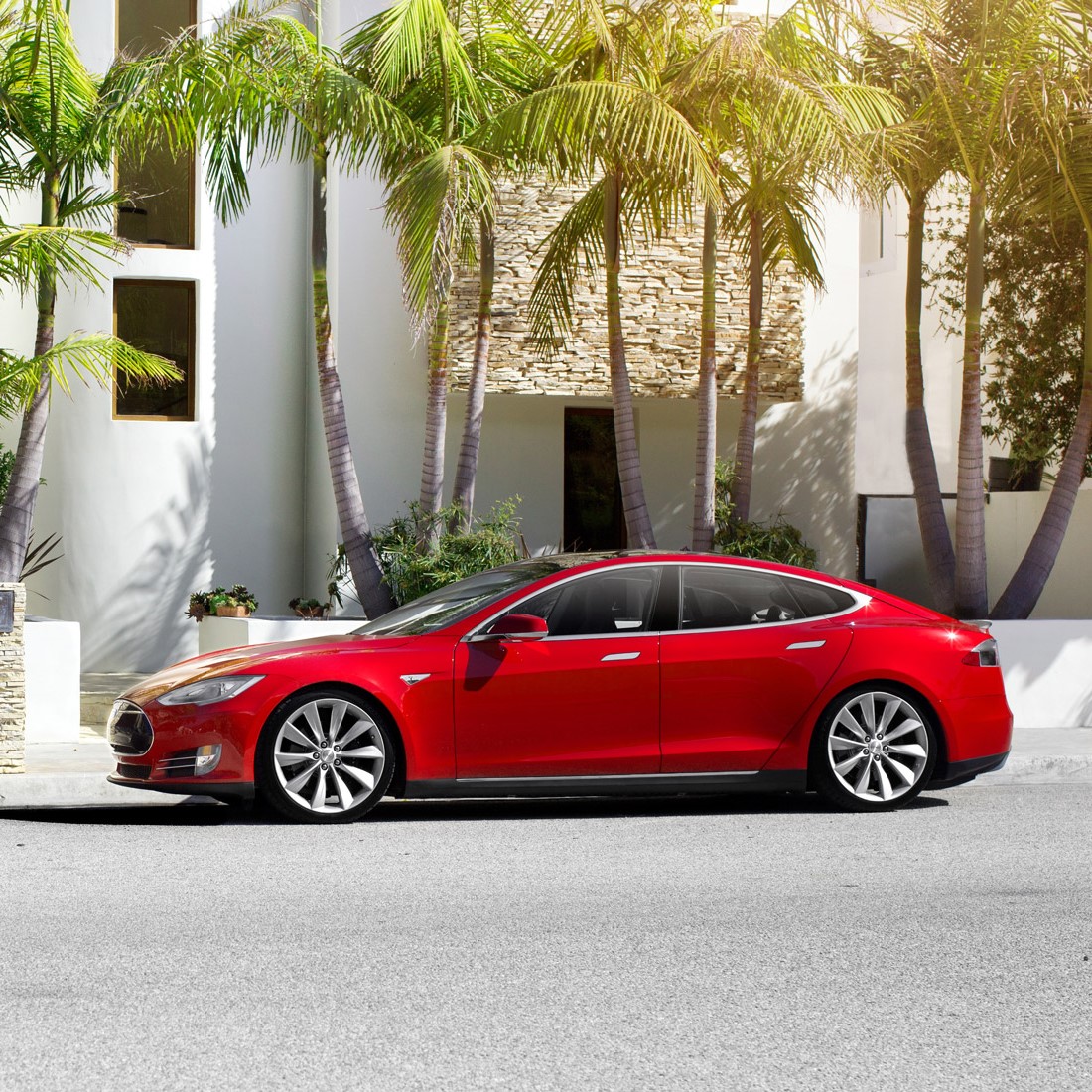
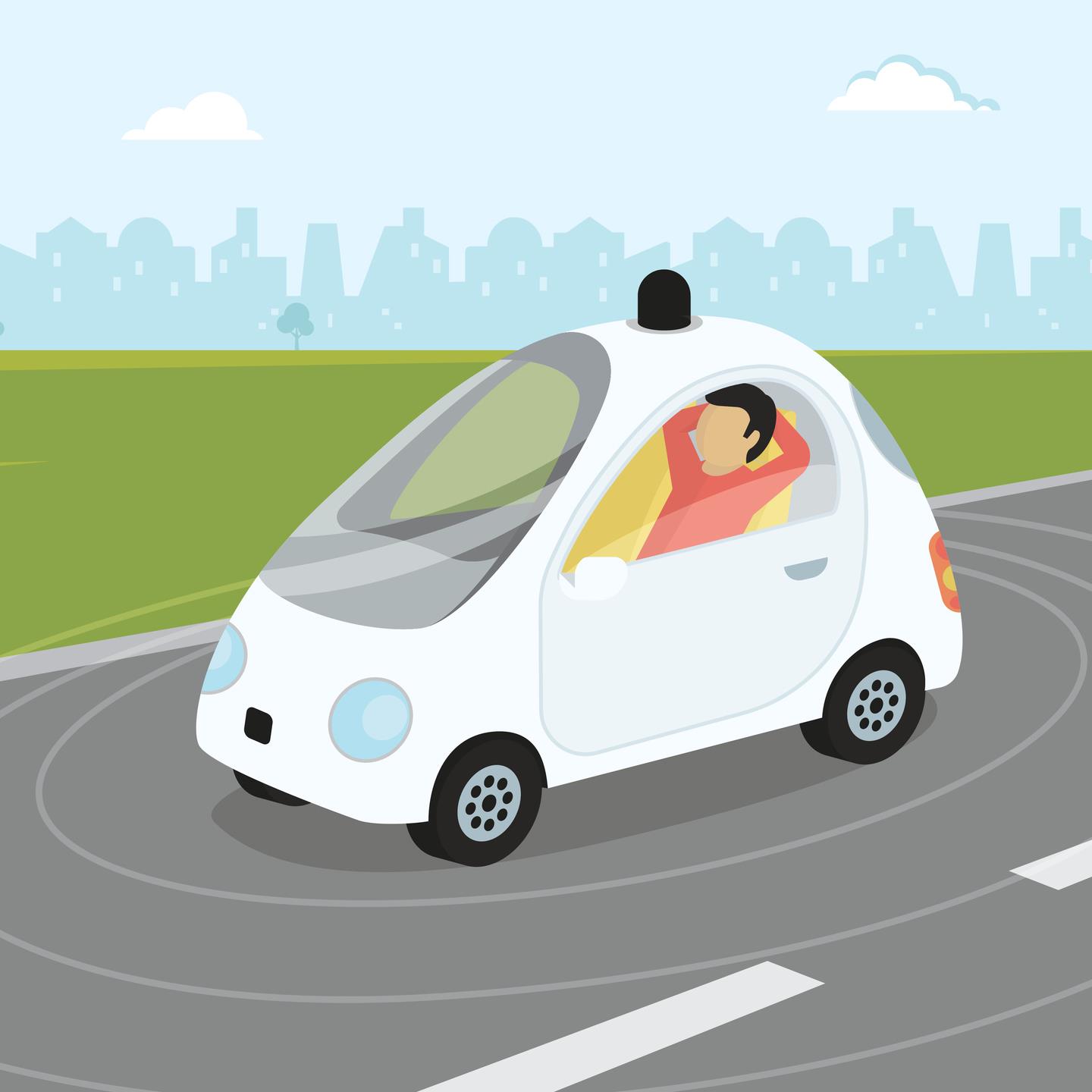
Driverless cars may upset the sales hold that driver-controlled cars have had since the first automobile was put on the road. The race to perfect these cars has already started. Google Inc. (NASDAQ: GOOGL) may be able to launch a driverless car soon. Tesla Motors Inc. (NASDAQ: TSLA) management claims it is rapidly moving in the same direction. New research shows that, among other things, driverless cars could cut driving accidents by 80%.

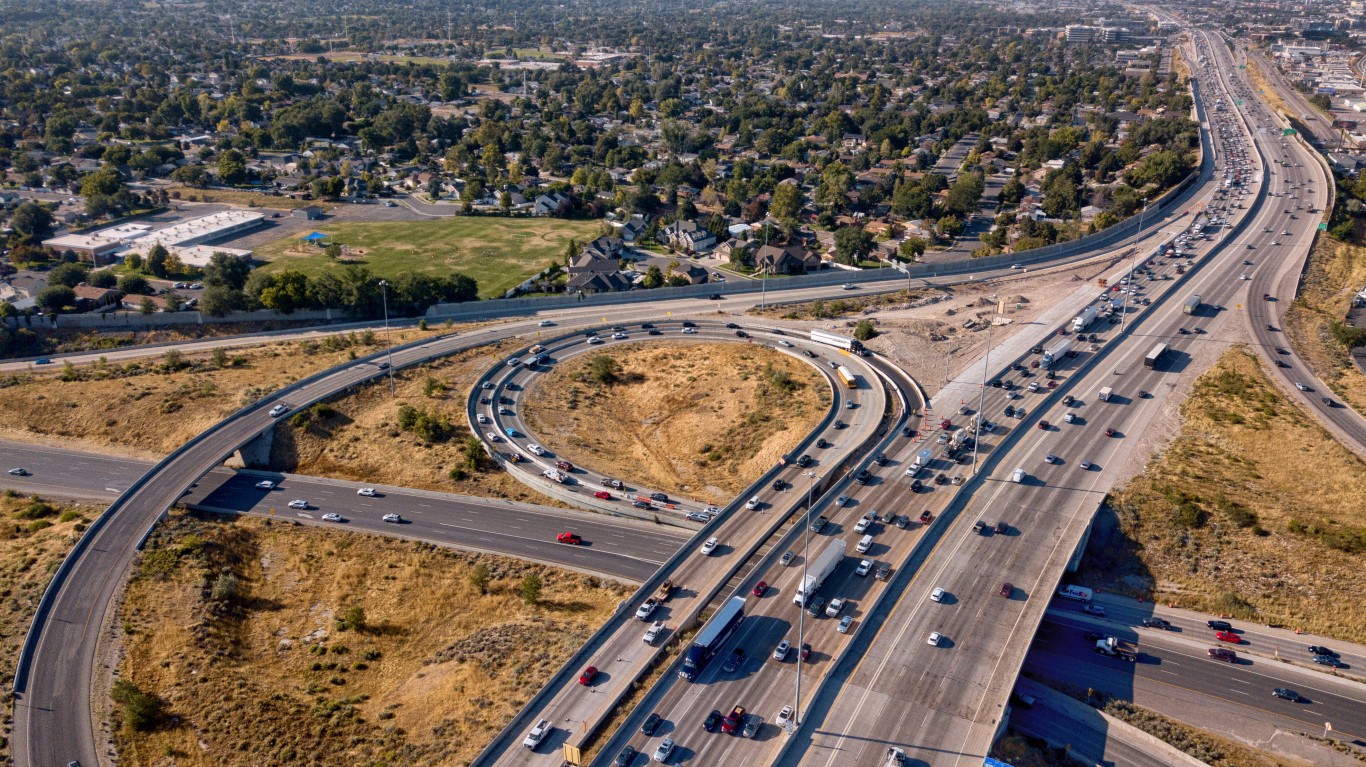
Car accident deaths peaked in the late 1970s and early 1980s at about 50,000 a year. That figure has dropped steadily to a level of 32,000 in the past four years. The improvement has been attributed to two trends. The first is that cars are safer, more carefully engineered, with airbags and improved construction. The other is the fall-off in drunken driving. Driverless cars certainly would cut future fatalities in the second case.

An analysis by investment firm Ark Investment Management compares the use of auto pilots in airplanes with future driverless car deaths. While pilots receive more instruction than car drivers, they operate a more complicated vehicle, so it is hard to say whether the comparison is apt.

ALSO READ: The Most Dangerous Cars in America

Ark researchers have examined car accident deaths worldwide:

[I]n a completely driverless world, the use of autonomous vehicles could be expected to avoid roughly 1.2 million fatalities per year, an impact equivalent to eliminating breast cancer twice over. As can be seen in the chart below, a reduction in driver-errors, consistent with those experienced by the airline industry, would reduce motor vehicle accident rates by 83%.5.

Similar to the use of autopilot in planes, autonomous vehicles will never completely eliminate mechanical or human error. ARK would still expect around 200,000 collision-related deaths per year worldwide, a fraction of today’s fatalities. However, the chances of being hit by a driver who is drunk, asleep, or texting, will be reduced to near zero.

The Achilles’ heel of the analysis is simple. The odds that a large portion of the world’s drivers will ever use driverless cars are low. Highways may not be built to accommodate them. Millions of people will want to continue to drive their own cars, whether it is more dangerous or not. The figures in the study are a useful way to look at the advantages of driverless cars, but the future may never support the numbers.

The driverless cars are no doubt safer, if people will drive them.

Note: the author sits on the Ark Investment Management board, which has to do with management, but not investment or investing strategy.


ALSO READ: 10 Cities With the Worst Traffic

Photo of Douglas A. McIntyre
About the Author Douglas A. McIntyre →

Douglas A. McIntyre is the co-founder, chief executive officer and editor in chief of 24/7 Wall St. and 24/7 Tempo. He has held these jobs since 2006.

McIntyre has written thousands of articles for 24/7 Wall St. He is an expert on corporate finance, the automotive industry, media companies and international finance. He has edited articles on national demographics, sports, personal income and travel.

His work has been quoted or mentioned in The New York Times, The Wall Street Journal, Los Angeles Times, The Washington Post, NBC News, Time, The New Yorker, HuffPost USA Today, Business Insider, Yahoo, AOL, MarketWatch, The Atlantic, Bloomberg, New York Post, Chicago Tribune, Forbes, The Guardian and many other major publications. McIntyre has been a guest on CNBC, the BBC and television and radio stations across the country.

A magna cum laude graduate of Harvard College, McIntyre also was president of The Harvard Advocate. Founded in 1866, the Advocate is the oldest college publication in the United States.

TheStreet.com, Comps.com and Edgar Online are some of the public companies for which McIntyre served on the board of directors. He was a Vicinity Corporation board member when the company was sold to Microsoft in 2002. He served on the audit committees of some of these companies.

McIntyre has been the CEO of FutureSource, a provider of trading terminals and news to commodities and futures traders. He was president of Switchboard, the online phone directory company. He served as chairman and CEO of On2 Technologies, the video compression company that provided video compression software for Adobe’s Flash. Google bought On2 in 2009.

Featured Reads

Our top personal finance-related articles today. Your wallet will thank you later.

Continue Reading

Top Gaining Stocks

CBOE Vol: 1,568,143
PSKY Vol: 12,285,993
STX Vol: 7,378,346
ORCL Vol: 26,317,675
DDOG Vol: 6,247,779

Top Losing Stocks

LKQ
LKQ Vol: 4,367,433
CLX Vol: 13,260,523
SYK Vol: 4,519,455
MHK Vol: 1,859,865
AMGN Vol: 3,818,618