



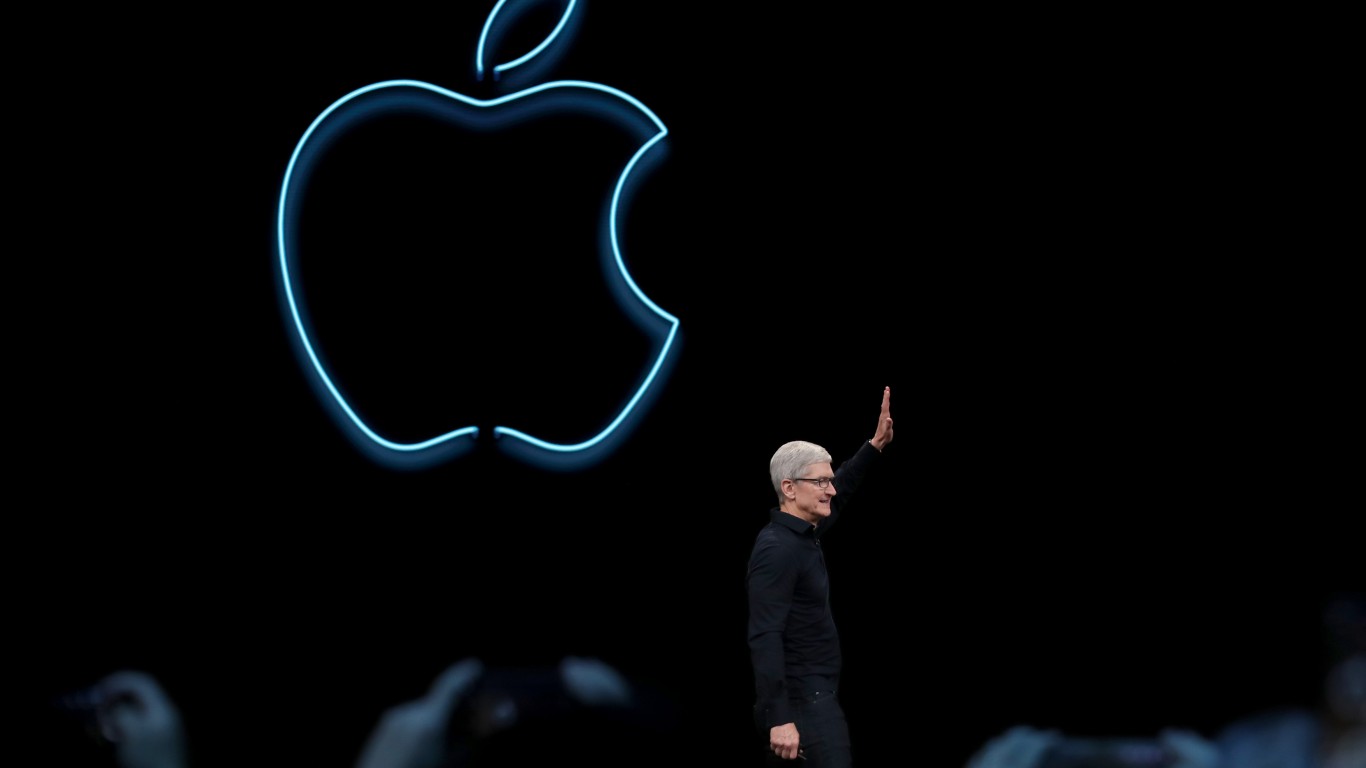
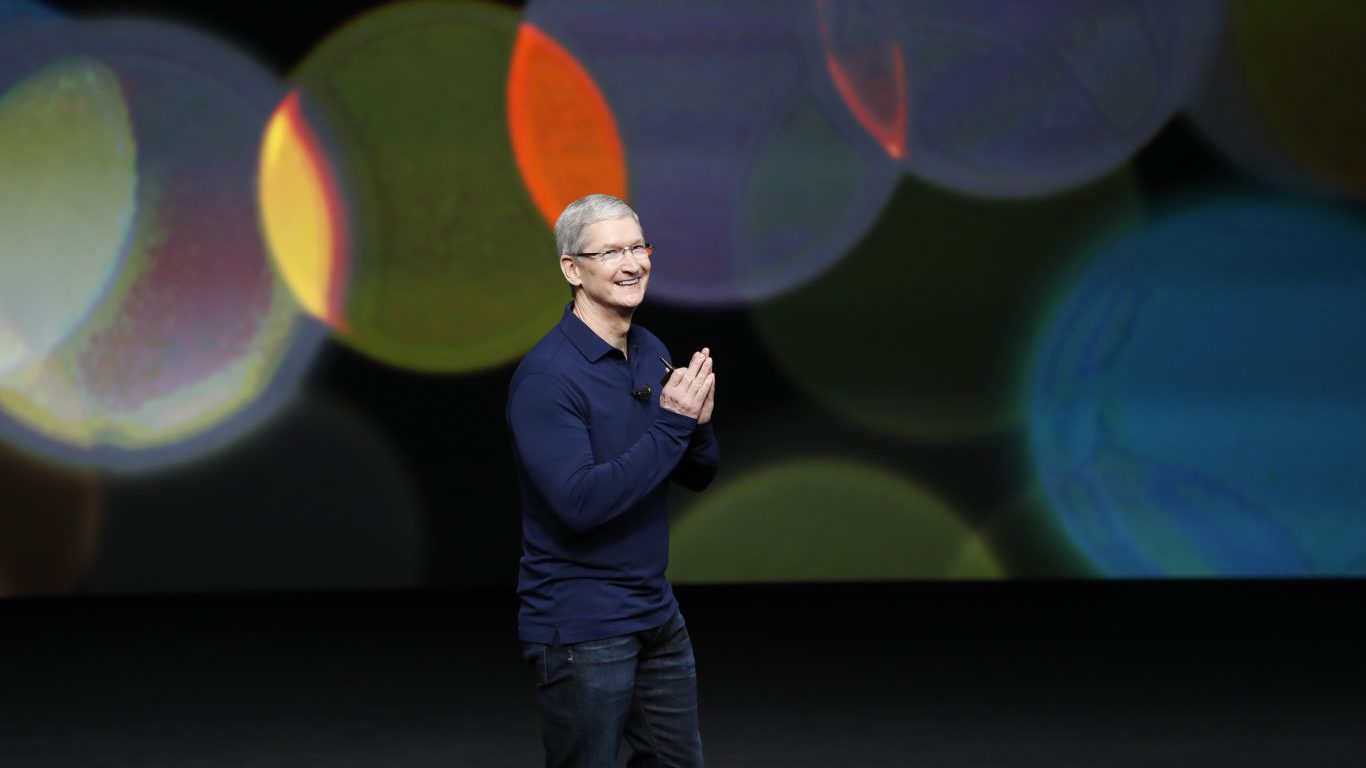
Steve Jobs used to take the stage once a year to introduce the new iPhone. The events were standing room only. There were predictions for months about what the new features would be. After the iPhone was first released in 2007, each year people would line up at Apple stores after the presentation. People slept outside these locations to be among the first to get the new version.
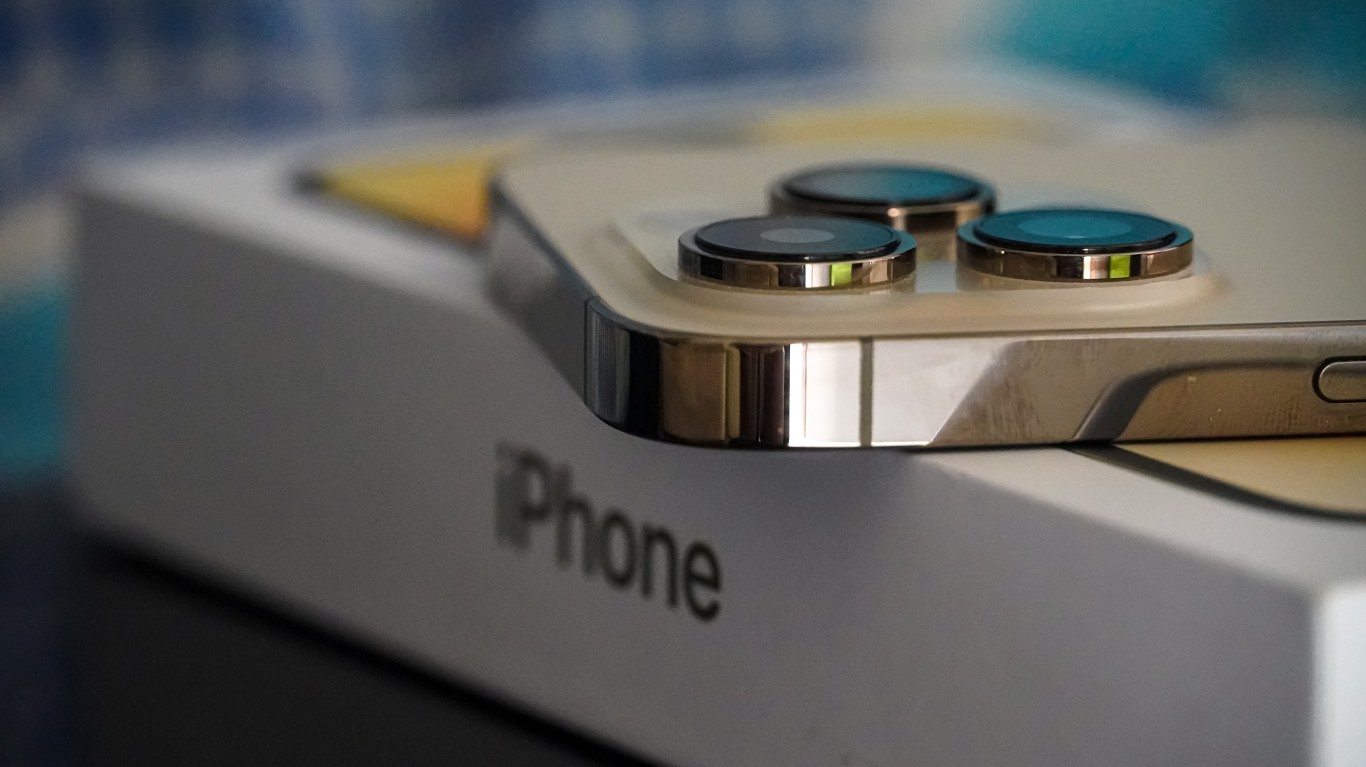
The iPhone 17 was launched with a yawn. The Wall Street Journal wrote, “But I don’t think it’s the right upgrade for most people.” It also called the smartphone “lackluster.” AT&T CEO John Stankey said, “I would intuitively say that we’re at a point … that I don’t see super cycles as being kind of the dynamic around it.” He added that without an artificial intelligence (AI) upgrade, hardware changes were not a winner. AT&T is one of the largest iPhone sellers in the United States.
Truth is that a faster chip, a better screen, and a camera upgrade will not make it. Too many view the iPhone 17 as no more than a way for Apple Inc. (NASDAQ: AAPL | AAPL Price Prediction) to make more money, at least for the next year. And, in China, the world’s largest smartphone market, the iPhone 17 will struggle to compete with huge local companies that have advanced phones with AI features.
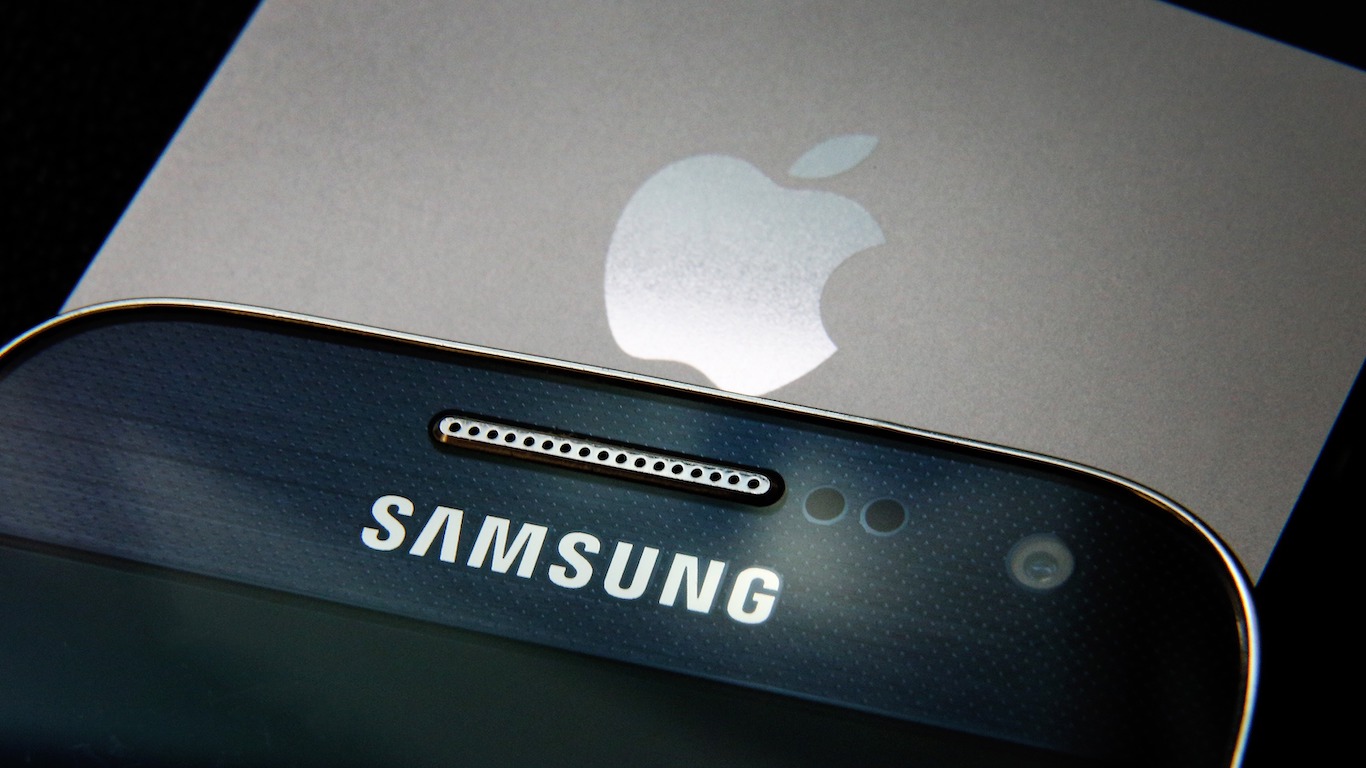
Samsung, the world’s largest smartphone company, has an AI system and a new foldable phone, the Galaxy Z F7. It also has a camera upgrade and a faster chip than its predecessor.
Even the Google Pixel has earned praise for its AI features, which come from Google’s Gemini software product. It has a great camera, too, as well as a lightning-fast chip.
All of this is to say the iPhone 17 is a paperweight compared to the iPhone 16.
By the way, Apple’s stock dropped over 3% yesterday and is down almost 10% for the year.
Apple Stock Price Prediction and Forecast 2025-2030







 Top Gaining Stocks
 Top Losing Stocks