



Nvidia Corp. (NASDAQ: NVDA | NVDA Price Prediction) has nearly lost access to the Chinese market in the recent past. Yesterday, new rules set by China’s powerful government mean Nvidia may not return at all. It will be a large blow to the AI chip company’s future. China could have been its second-largest artificial intelligence market in the world.
China has finally decided that dumbed-down Nvidia ships will undermine its ability to challenge the Americans for the lead in AI, which both nations believe is the future of technology. Nvidia faced a potential ban from the Trump administration, which threatened its chance to have Chinese customers earlier this year. Trump said in March he would block sales of its H20 chip, and then quickly reversed himself. Rather, Trump insisted that for each chip Nvidia sold in China, the U.S. government would get 15% of the purchase price.
All along this path, the White House was adamant that Nvidia’s most powerful chips could not be available to the Chinese.
Chinese Response
China had an angry reaction when U.S. Commerce Secretary Howard Lutnick commented in June that the Nvidia chips sold in China were the fourth-best chips Nvidia made: “We don’t sell them our best stuff, not our second best stuff, not even our third best. The fourth one down, we want to keep China using it. We want to keep having the Chinese use the American technology stack, because they still rely upon it.” China, he was saying, would not be able to match the U.S. in AI development if the chips it bought were inferior to those available in the United States.
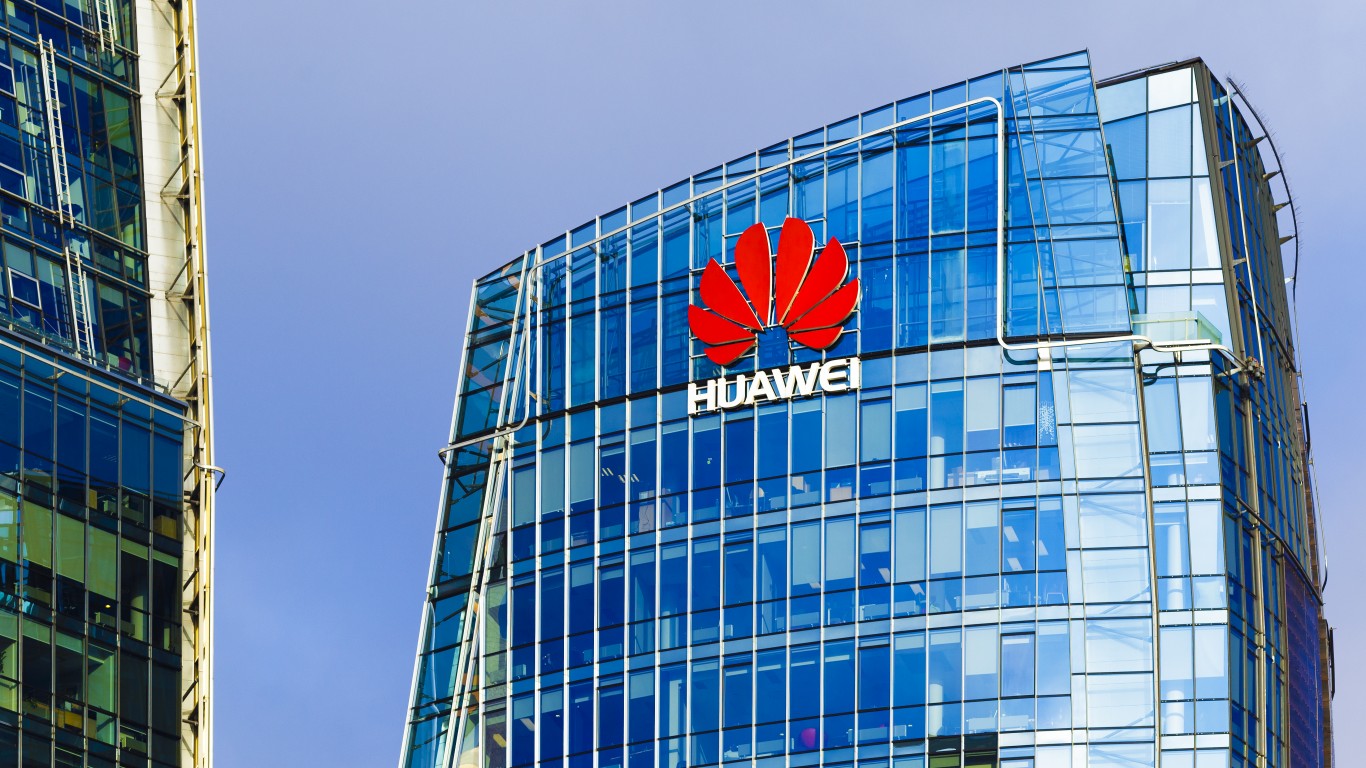
China decided to do what it had before when U.S.-made tech advances might hurt it. The nation would make its own chips that could rival Nvidia’s best products. Huge Chinese tech company Huawei said it could match Nvidia’s flagship products now. Huawei is already among the world’s largest smartphone makers and is also the provider of the most advanced electric vehicle technology. Based on that prowess, its AI chip claims may be true.
Nvidia CEO Jensen Huang said months ago that China might never be a large customer. He could see the writing on the wall. There was no guarantee that the U.S. and Chinese governments would reach an agreement that would create a large commercial relationship between China’s AI industry and Nvidia’s world-class products. Only recently, China’s government said Nvidia had violated its anti-trust laws. It was another hurdle for the company to clear.
The Chinese government has told its tech companies to avoid using Nvidia chips. One reason is security concerns. That is nothing more than a smokescreen. China is forcing AI chip independence.
Huawei appears to have caught up to Nvidia in the ability to power AI with its own chips. The Chinese have also argued that the chips they make are sufficient to advance AI. They are not bluffing this time. They know that depending on a U.S. product in the AI race can only hurt its advance in the competition.
Nvidia Price Prediction and Forecast 2025-2030












 Top Gaining Stocks
 Top Losing Stocks