


[cnxvideo id=”655414″ placement=”ros”]The U.S. House Committee on Transportation and Infrastructure is holding a hearing today with executives from major U.S. airlines to examine U.S. airline customer service. United Continental Holdings Inc. (NYSE: UAL) CEO Oscar Munoz is scheduled to appear, as are senior executives from American Airlines Group Inc. (NASDAQ: AAL), Alaska Air Group Inc. (NYSE: ALK) and Southwest Airlines Co. (NYSE: LUV).
According to Congressman Bill Shuster (R-Pa.), the committee chairman, the oversight hearing gives committee members an opportunity to get “much-needed answers about airline customer service policies and what is being done to improve service for the public.” But according to the U.S. Travel Association (USTA), a nonprofit trade association that represents “all components” of the U.S. travel industry, the hearing is likely to avoid the major issue that should be getting the most attention: lack of competition in the U.S. aviation marketplace.
According to a USTA press release, the country’s four largest airlines operate as near-monopolies:
One of the four biggest domestic airlines (American, Delta, Southwest and United) currently controls over 50 percent of seat capacity on flights out of 155 U.S. airports—and 74 of those are 100 percent dominated by one of those airlines … This status quo hardly gives airlines an incentive to treat their customers with care and respect at every turn.
[nativounit]
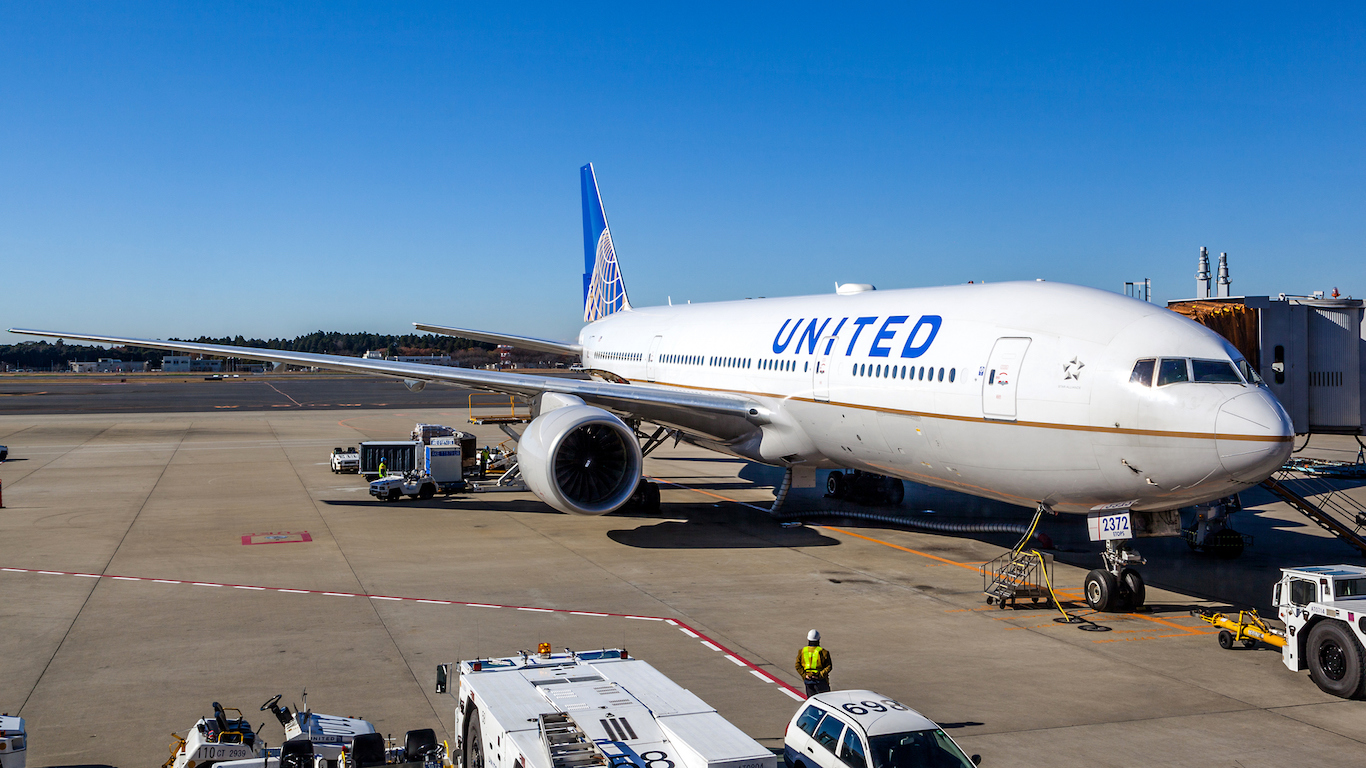
Domestically, the four control nearly 69% of the seating capacity. For trans-Atlantic flights, three — United, American, and Delta Air Lines Co. (NYSE: DAL) — control 82% of seat capacity. United, for example, controls more than 50% of seat capacity at 31 U.S. airports. At 17 of those airports, United owns 100% of seating capacity.
USTA Executive Vice-President Jonathan Grella remarked:
For too long, the proverbial fox has been in charge of the policymaking henhouse. Big airlines come to Washington, plead financial frailty and demand that they be given every advantage, then go to Wall Street and report record earnings.
We all should want U.S. airlines to be healthy and profitable, but for too long they’ve dominated aviation policymaking at the expense of the traveling public, and the moment to reverse that trend has clearly arrived.
The USTA proposes four policy recommendations:
- Protect and expand the U.S. Open Skies agreements.
- Conduct rigorous and consistent reviews of antitrust immunity.
- Invest in airport infrastructure and restore local control.
- Allow airports to establish partnerships directly with destinations and airlines to market and develop new air service routes.
In its compilation of 155 U.S. airports, the USTA found that, in addition to United, American controlled 100% of seating capacity at 32 airports and Delta controlled 100% of capacity at 25 airports. Southwest controlled more than 50% of seating capacity at 18 airports and more than 90% at four airports. Southwest did not have control of 100% of seats at any airport.
[wallst_email_signup]





 Top Gaining Stocks
 Top Losing Stocks