


 Media in Japan recently reported that Toyota (TM) will begin to produce its new plug-in hybrid in 2012. Toyota will be using lithium-ion batteries which it can produce efficiently in a joint venture with Panasonic. American car companies probably don’t have the balance sheet capacity to support mass production of complex new technology. Toyota’s superior product development and access to capital will give the firm a substantial lead in the plug-in market, a head start that the Japanese car company’s competitors have seen before.
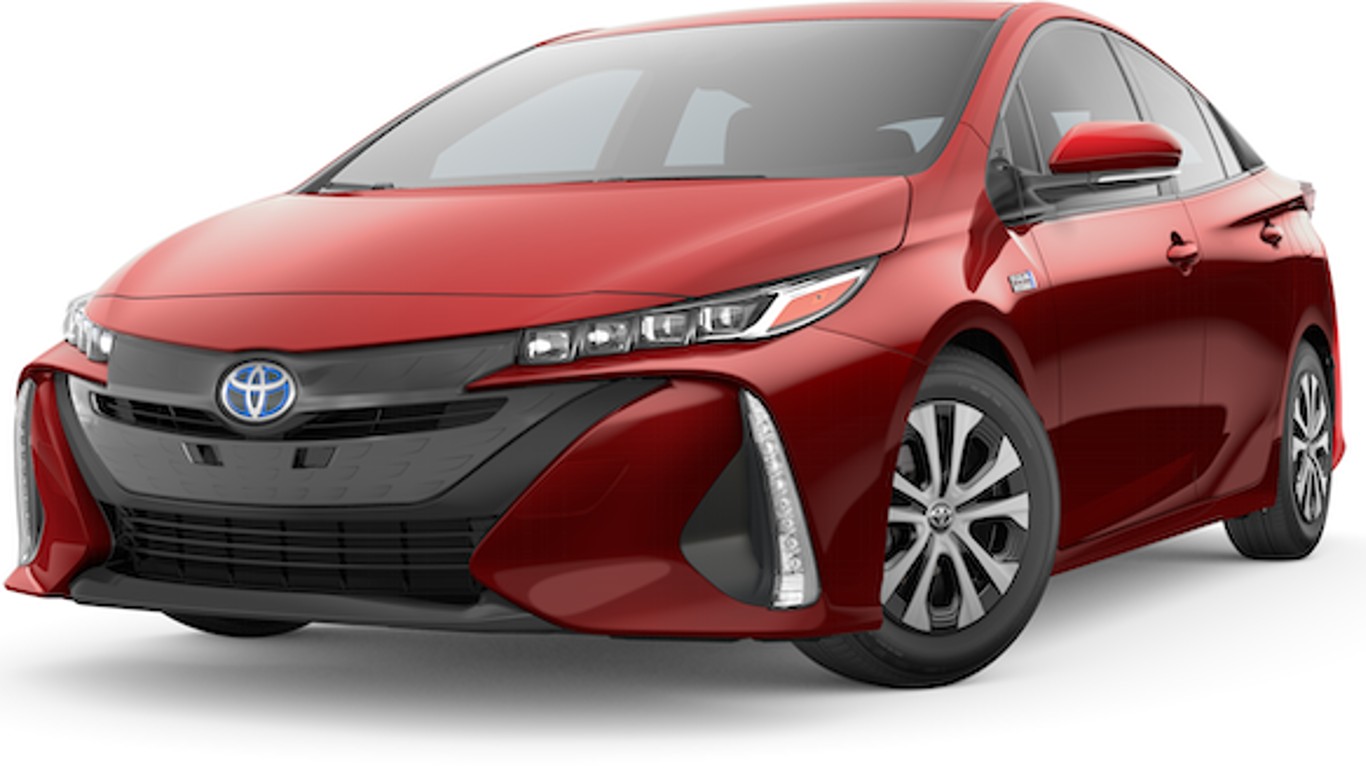
Toyota’s latest versions of Prius hybrid cars, the generation before 2012 model, have moved to the top of the sales charts in Japan and the vehicle, which averages 50 mpg, is available in the US. Toyota is not waiting for its plug-in electric product to take market share among consumers who want fuel efficient cars starting in three years. The new Prius doubled its sales in Japan in June to 22,292 from 10,915 in May. The car outsold all other brands by all other manufacturers in the island market last month.
Toyota, despite huge losses last year and larger losses expected next year, has shown it still has the ability to trump its smaller rivals, which at this point includes every other auto company in the world. Toyota will not cut what it views as strategic spending simply because the economy is bad.
Toyota’s very public programs to bring in new customers and keep old ones shows how steep a mountain US car companies have to climb. GM and Chrysler may have much less debt than they did at the beginning of the year and lower labor costs. Toyota is creating a larger product line while the brands offered by the two bankrupt American car firms are shrinking. Toyota has the capital to get new products from the drawing board to mass production in a way the US firms can’t match.
The mistake that the federal government made in rebuilding Detroit is that it wrecked too much of the industry’s capacity in the process. Product development costs and plant capacity have both been cut down to the bone. GM and Chrysler are now structured so that they cannot take full advantage of a rebound in vehicle purchasing when it comes, although it is probably much further off than the Treasury Department supposes.
Toyota is very close to being a complete shopping center for American car buyers. It will have high-quality models across an extremely broad price range. It will have an unmatched selection of coupes, sedans, SUVs, trucks, light vehicles, and minivans. It can sell muscle cars that drink gas at an alarming rate and the parsimonious Prius. Detroit will be left to fight in the corners, trying to pick up market share in niches with fewer mainstream products that it had in the past.
Toyota has outsmarted American car companies for years. Now, it has outsmarted the American government.
Douglas A. McIntyre






 Top Gaining Stocks
 Top Losing Stocks