3 Reasons Why Renault Should Merge With Nissan

Photo of Douglas A. McIntyre
By Douglas A. McIntyre Updated Published
This post may contain links from our sponsors and affiliates, and Flywheel Publishing may receive compensation for actions taken through them.
3 Reasons Why Renault Should Merge With Nissan

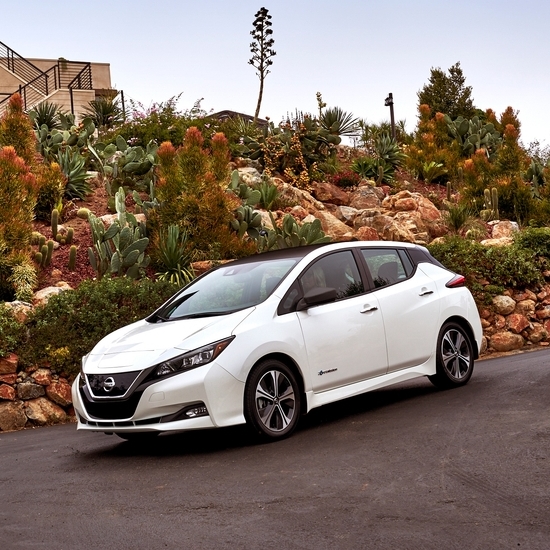
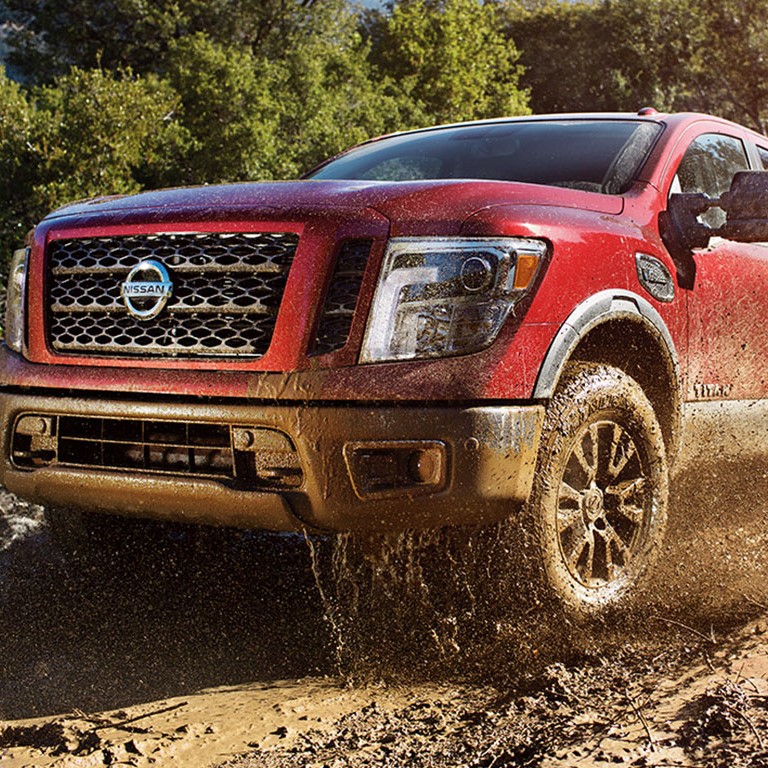
© courtesy of Nissan USA

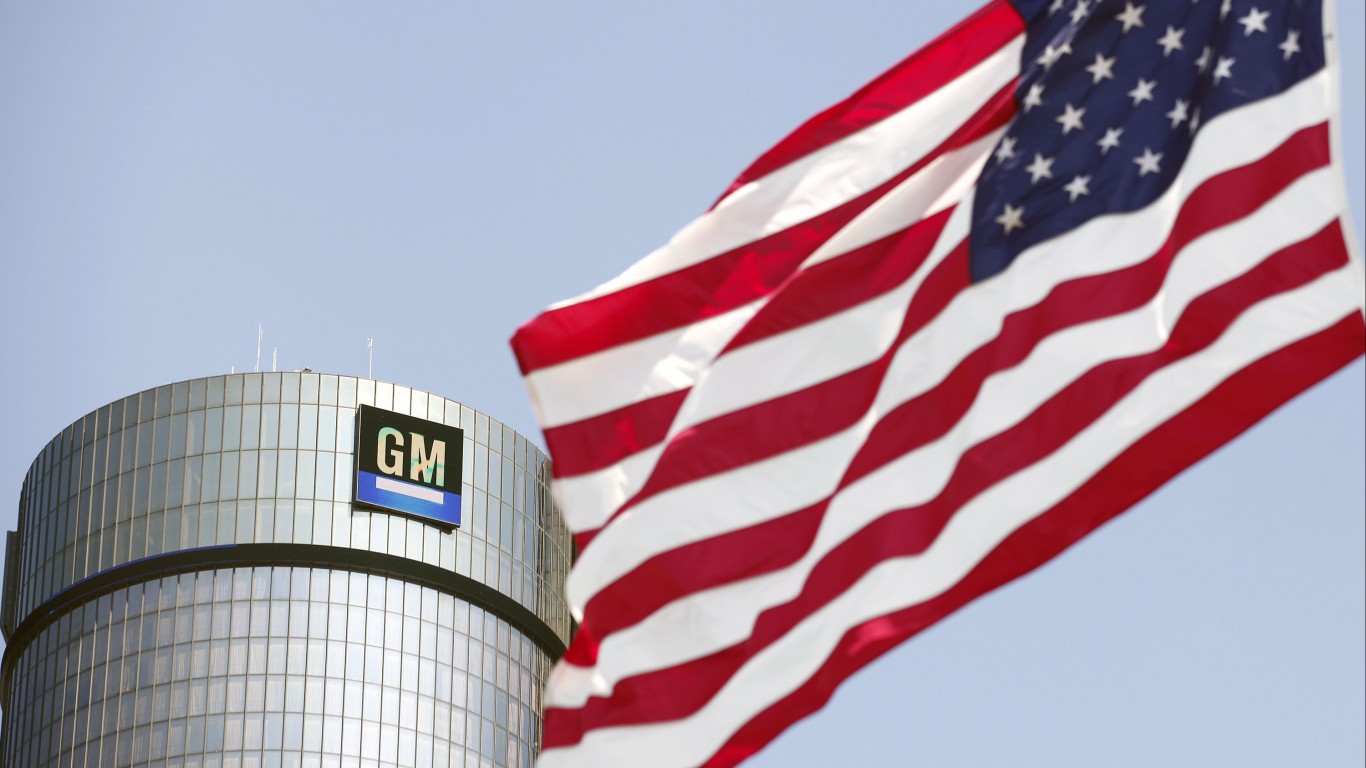
In the past day, there have been rumors that Nissan and Renault may merge. The speculation was first reported by Bloomberg. One theory is that a merger would create a single stock to be traded on global markets. The other is that it is the handiwork of the longtime CEO of both companies, Carlos Ghosn. Neither of those is the primary reason. The need for scale in a global car market dominated by Volkswagen, Toyota Motor Corp. (NYSE: TM) and General Motors Co. (NYSE: GM) is.

There is already cross-ownership between the two companies because each owns shares in the other. Maybe that would make a deal easier. Ghosn is considered among the greatest car manufacturers of his generation.

More to the point, its three large rivals each produced about 10 million cars and light trucks last year. Renault made 3.4 million and Nissan made 5.6 million. VW, Toyota and GM have global manufacturing networks that allow them to make cars in one market and ship them to another. Their R&D and product development operations also can be leveraged worldwide. Some cars sold across the globe are made on one platform, which means more duplication of parts and assembly. And global branding also leads to marketing efficiency. A good example of this is the Toyota Prius.

Also, GM, Toyota and VW have model lines so large they can appeal across the demographic map. For instance, VW owns Audi and Porsche and nine other brands.

[nativounit]

One sign that scale is terribly important in the car industry is the repeated effort of Fiat Chrysler Automobiles N.V. (NYSE: FCAU) CEO Sergio Marchionne to find a partner. He says he has had preliminary talks with several large companies. He even publicly proposed a merger with GM. Among the reasons was that a new company would have better access to capital. Presumably, a combined balance sheet would get better ratings from credit agencies. The combination also would allow for huge cost cuts.

Marchionne saw years ago what Ghosn sees now. Being midsized in the global car industry may be untenable over time.

[wallst_email_signup]

Photo of Douglas A. McIntyre
About the Author Douglas A. McIntyre →

Douglas A. McIntyre is the co-founder, chief executive officer and editor in chief of 24/7 Wall St. and 24/7 Tempo. He has held these jobs since 2006.

McIntyre has written thousands of articles for 24/7 Wall St. He is an expert on corporate finance, the automotive industry, media companies and international finance. He has edited articles on national demographics, sports, personal income and travel.

His work has been quoted or mentioned in The New York Times, The Wall Street Journal, Los Angeles Times, The Washington Post, NBC News, Time, The New Yorker, HuffPost USA Today, Business Insider, Yahoo, AOL, MarketWatch, The Atlantic, Bloomberg, New York Post, Chicago Tribune, Forbes, The Guardian and many other major publications. McIntyre has been a guest on CNBC, the BBC and television and radio stations across the country.

A magna cum laude graduate of Harvard College, McIntyre also was president of The Harvard Advocate. Founded in 1866, the Advocate is the oldest college publication in the United States.

TheStreet.com, Comps.com and Edgar Online are some of the public companies for which McIntyre served on the board of directors. He was a Vicinity Corporation board member when the company was sold to Microsoft in 2002. He served on the audit committees of some of these companies.

McIntyre has been the CEO of FutureSource, a provider of trading terminals and news to commodities and futures traders. He was president of Switchboard, the online phone directory company. He served as chairman and CEO of On2 Technologies, the video compression company that provided video compression software for Adobe’s Flash. Google bought On2 in 2009.

Continue Reading

Top Gaining Stocks

CBOE Vol: 1,568,143
PSKY Vol: 12,285,993
STX Vol: 7,378,346
ORCL Vol: 26,317,675
DDOG Vol: 6,247,779

Top Losing Stocks

LKQ
LKQ Vol: 4,367,433
CLX Vol: 13,260,523
SYK Vol: 4,519,455
MHK Vol: 1,859,865
AMGN Vol: 3,818,618