


Many remain adamant that internal combustion will dominate the automotive sector for decades to come, and there are plenty of valid arguments that underpin their reasoning. Over the past half-decade, however, the electric vehicle (EV) space has made considerable headway toward addressing these arguments, and while mainstream adoption just five years ago looked a distant fantasy, it now looks likely that a significant percentage of U.S. vehicle owners will drive EVs by the close of the decade.
Investing in the space before 2010 was a risky endeavor, as the majority of available exposures were small caps, under-capitalized or fresh startups. The recent shift though has opened up a number of more mainstream exposures. Two of the most prominent are of course Tesla Motors Inc. (NASDAQ: TSLA) and General Motors Co. (NYSE: GM). Both are very different types of exposure, but which is likely to offer superior returns over the next five years?
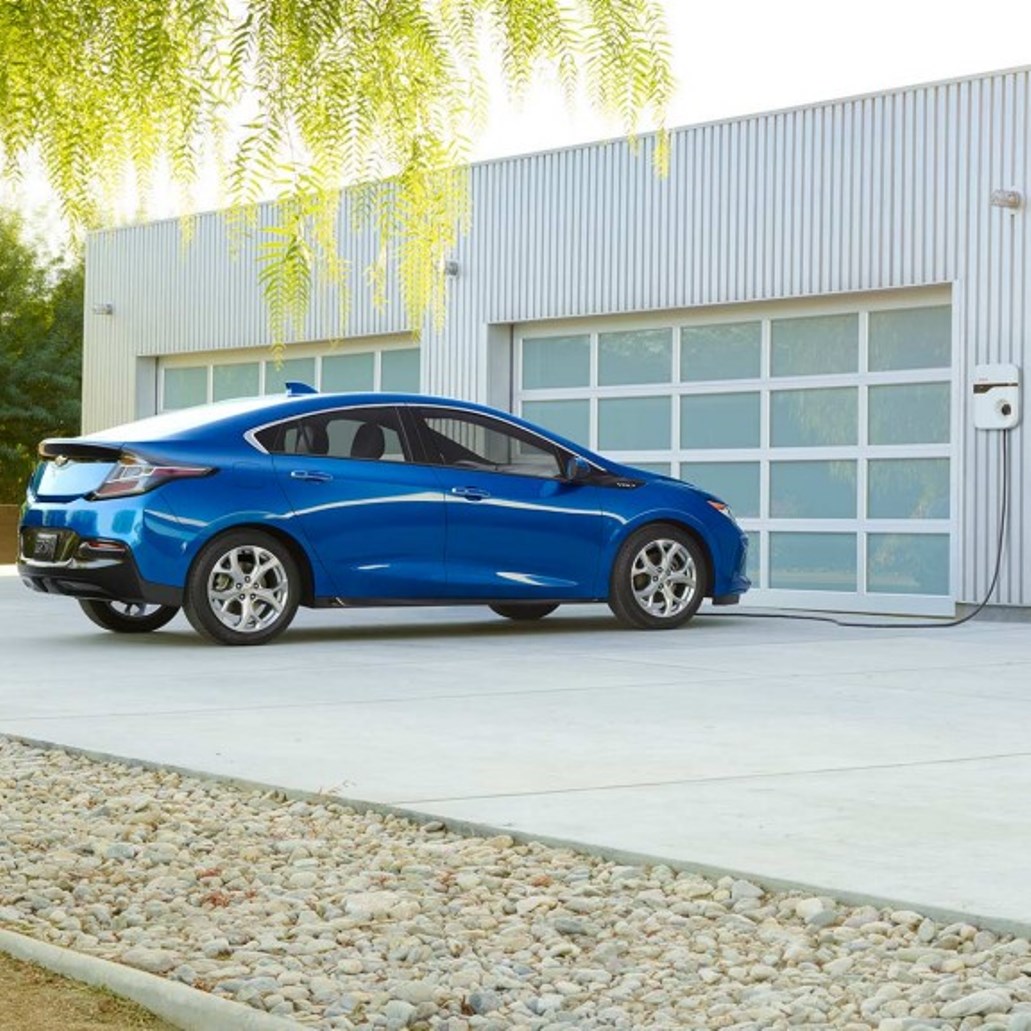
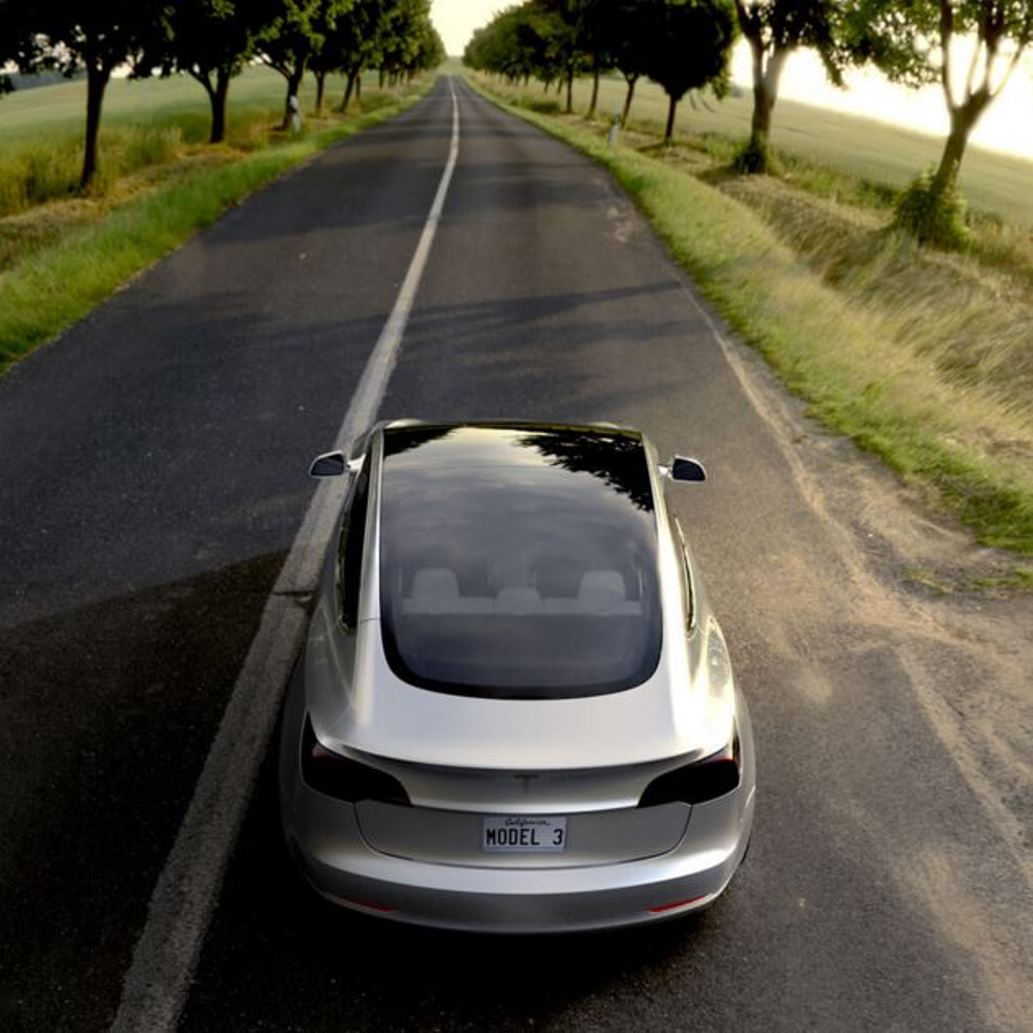
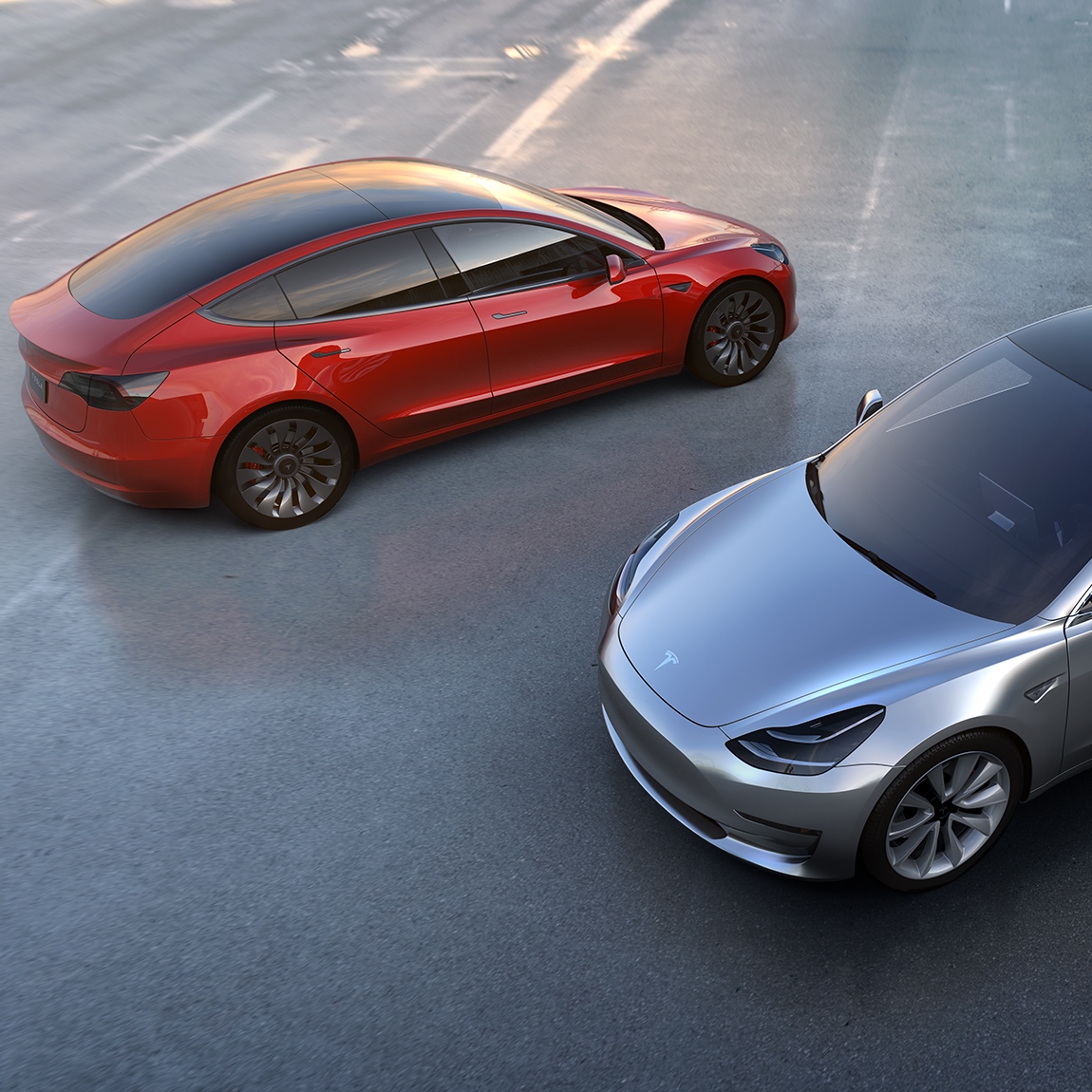
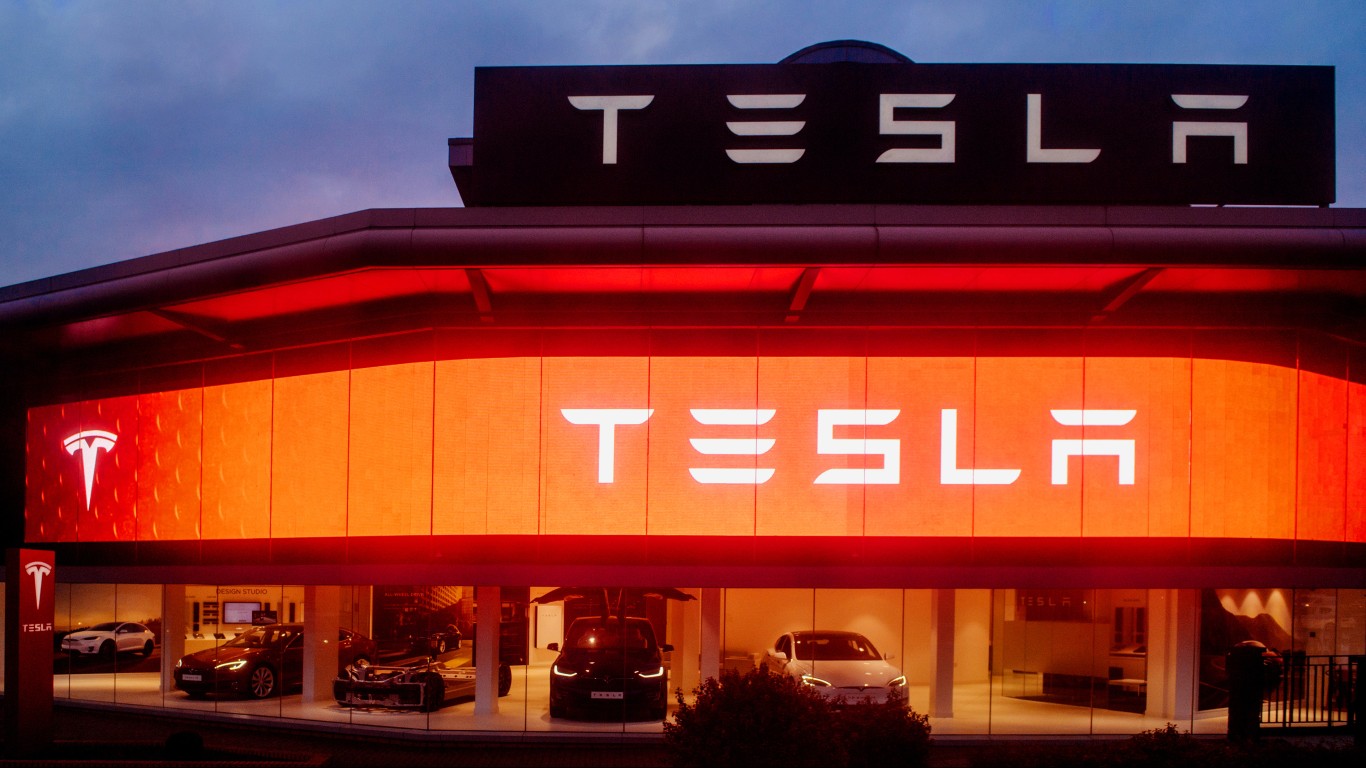
Tesla already has a couple of high-end models on the market, but the company is going head to head with GM in the mid-level market right now – Tesla, with its Model 3, and GM with its Chevy Bolt. The Model 3 is sleeker looking and has a list price of $35,000. The Bolt has an MSRP of $37,500, and both qualify for the $7,500 federal tax rebate for as long as that benefit lasts. The Model 3 won’t be ready for shipping before the end of 2017. Given Tesla’s track record with meeting schedules, this could extend well into 2018. The Bolt will ship by the end of 2016.
Tesla also is struggling with capitalization. The company took 335,000 $1,000 deposits for its Model 3 this month, but chances are it will need to raise further capital before it can complete the production run for even these preorders. GM has the cash in place to meet demand.
[recirclink id=325482]
So far, then, GM comes out on top, but that’s not the end of the story. Tesla has the higher range, and with its network of Super Chargers spanning the United States, it will have a far faster charge time (about 20 minutes, versus the Bolt’s nine hours).
Tesla of course already has some experience in the space, while GM is relatively new to building and shipping all-EVs.
Then there’s the fact that Tesla is a direct exposure to EV. Depending on what sort of allocation an investor is looking for, this could be a good or bad thing. If you’re looking for higher returns, Tesla’s all or nothing EV approach comes out on top. An indirect exposure with mitigated risk in case EVs take longer than expected to take off and GM wins.
It all comes down to whether Tesla can get its Model 3 out on time and maintain a sound capital position while it does. If so, it will be heralded as the company that brought EV to the mainstream. Its model is far more attractive than the Bolt and, at what can reasonably be referred to as a similar price point, likely will sell more.
If not, GM and its Bolt will get an all-important head-start in the middle-class America EV sector, and this could relegate Tesla to the fringe for another half decade.
By Matt Winkler







 Top Gaining Stocks
 Top Losing Stocks