


A Sea Change in Mobility
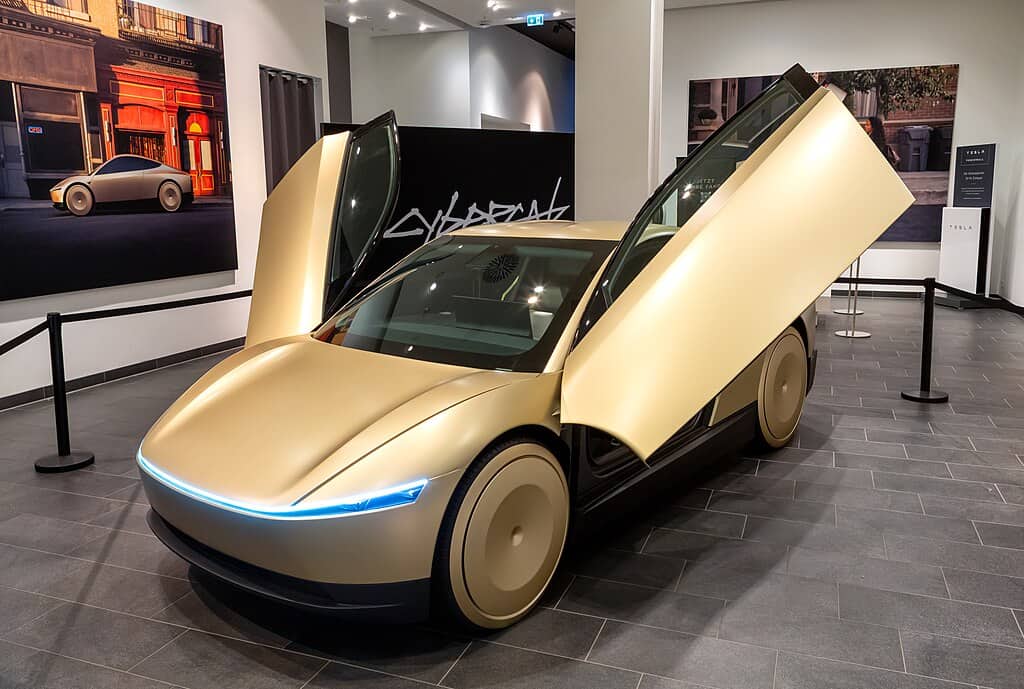
Tesla’s (NASDAQ:TSLA | TSLA Price Prediction) robotaxi service launched in Austin on Sunday with 20 Model Y vehicles charging a $4.20 flat fee, marking a pivotal step toward redefining mobility and positioning Tesla as the new Uber Technologies (NYSE:UBER).
As electric vehicle (EV) sales face headwinds, with global EV growth slowing to 20% in 2024 and Tesla’s first-quarter deliveries falling 13% to 336,681 units, this autonomous venture could drive exponential growth. It leverages both Tesla’s AI prowess and cost advantages.
Investing guru and Tesla permabull Cathie Wood recently noted the EV maker’s potential to dominate autonomous ride-hailing. She projected that by 2029, around 90% of Tesla’s enterprise value could come from autonomous ride-hailing, with a price target of $2,600 per share.
Tesla’s aggressive pricing also threatens Uber’s model, potentially squeezing drivers and sparking long-term implications for both companies.
Tesla’s Robotaxi: A Game-Changer
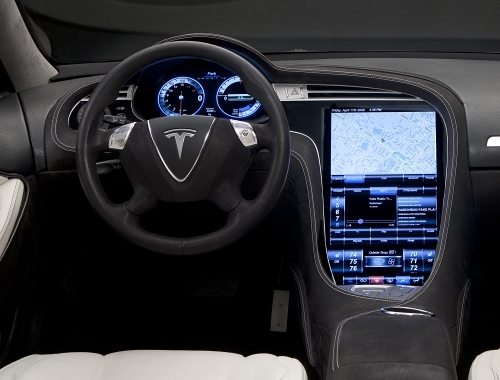
Tesla’s Austin pilot, though modest with safety monitors and a geofenced area, showcases its Full Self-Driving (FSD) technology. Unlike Uber’s reliance on human drivers, Tesla’s driverless Model Ys, straight from factories, eliminate labor costs, enabling it to charge flat rates — far below Uber’s $15 average ride cost.
Wood’s ARK Invest estimates Tesla’s robotaxi operating costs at $0.25 per mile, lower than Tesla’s own estimates of $0.30 to $0.40, but still significantly cheaper than current ride-hailing services, which average around $2 per mile. Tesla’s camera-based FSD versus its competitors’ expensive LiDAR systems provides a cost advantage, which, when coupled with Tesla’s total vehicle production of more than 7.2 million, supports its ability for rapid scaling. Wood envisions Tesla owners adding their cars to the fleet via an app, earning passive income, creating an “Uber-Airbnb hybrid.”
Growth Amid Declining EV Sales
Tesla’s EV sales face challenges from Musk’s political controversies and competition from China’s BYD (OTC:BYDDY), which captured 18% global EV market share in 2024, according to Bloomberg. Yet, robotaxis pivot Tesla from a carmaker to an AI-driven mobility platform.
ARK’s base case projects Tesla’s stock at $2,000 by 2029, with robotaxis driving 67% of enterprise value. Tesla’s $1.03 trillion market cap, despite a 2024 $150 billion wipeout, reflects investor faith in this vision.
First-quarter revenue fell 9% to $19.3 billion, but energy generation and storage was up 67% to $2.7 billion, offsetting a 20% decline in EVs. Analysts like Wedbush’s Dan Ives, who has a one-year price target of $500 per share, believes “the golden age of autonomous is now on the doorstep for Tesla.”
If Tesla scales to 1,000 robotaxis in months, as Musk claims, it could capture 10% of Austin’s $1 billion ride-hailing market by 2026.
Threat to Uber and Drivers
Tesla’s low pricing poses an existential threat to Uber, which saw its stock lose 4% in one day last month amid robotaxi rumors. Uber’s 2024 revenue hit $44 billion, but its 30% take rate relies on it drivers. If Uber matches Tesla’s pricing, driver pay would plummet, risking defections from the platform. Tesla is positioned as a long-term threat to Uber’s 76% U.S. ride-hailing share, as autonomous fleets erode margins.
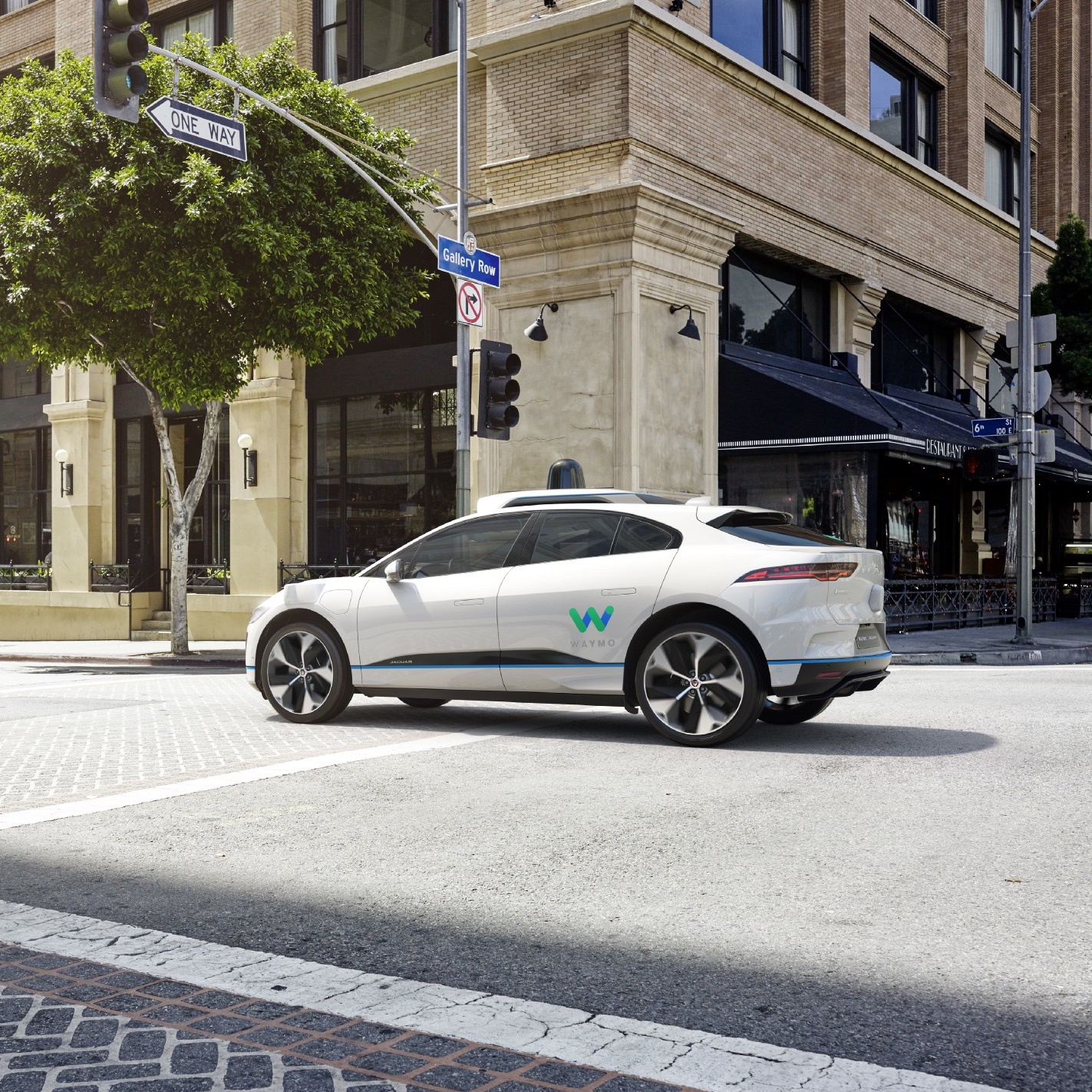
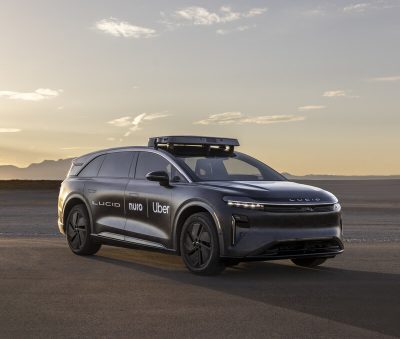
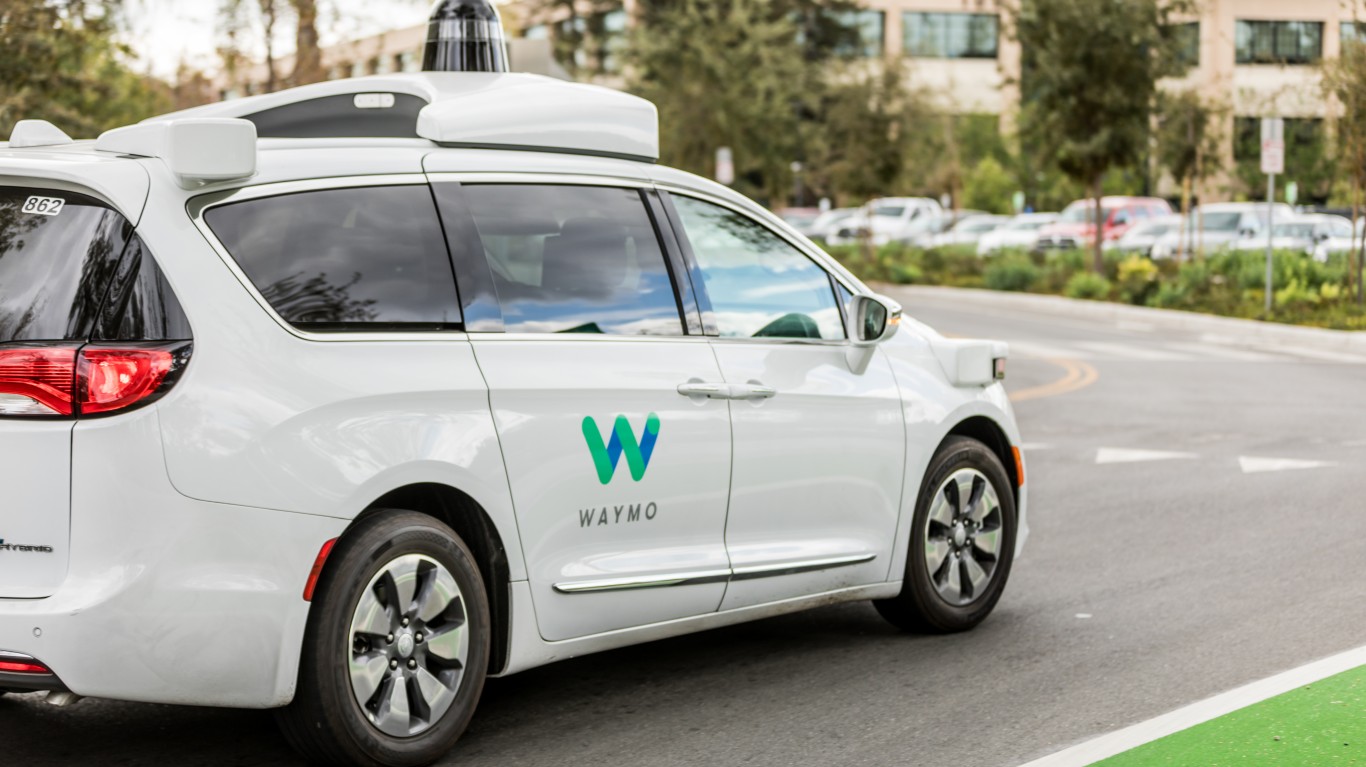
Uber has a vision for eventually eliminating the human element from its cost structure. With an autonomous fleet, it could increase revenue and profits by keeping all the ride fees for itself, instead of splitting them with drivers. It has a partnership with Waymo in Austin and Atlanta. Yet Uber’s pivot to autonomy is slow and it is without a proprietary fleet, which leaves it vulnerable. A 25% market share loss overnight could shave almost $44 billion from Uber’s $175 billion valuation.
Tesla’s Own Risks and Challenges
Still, Tesla’s robotaxi faces hurdles. There is regulatory scrutiny from National Highway Traffic Safety Administration (NHTSA), which has questioned Tesla’s crash reporting, and public backlash tied to Musk’s alignment with President Trump persists.
Both Waymo and Zoox have a head start on Tesla, and Tesla’s FSD has faced hundreds of reported incidents since 2021, according to the NHTSA, raising safety concerns. Scaling to “hundreds of thousands” of robotaxis by 2026, as Musk predicts, requires federal regulatory shifts, which Wood expects to accelerate under Trump, despite their recent dustup on social media.
A tech correction or U.S.-China AI race escalation could also dent TSLA’s lofty 150x forward P/E valuation.
Key Takeaway
Tesla’s robotaxi launch positions it to eclipse Uber, leveraging cheap pricing and AI to potentially unlock nearly $1 trillion in revenue by 2029. Despite EV sales declines, Tesla’s pivot to autonomy offers significant growth opportunities, but risks like regulation and competition loom. Yet Tesla’s robotaxi ambitions could redefine mobility and Tesla itself, leaving Uber Technology’s driver-dependent model in the dust.






 Top Gaining Stocks
 Top Losing Stocks