


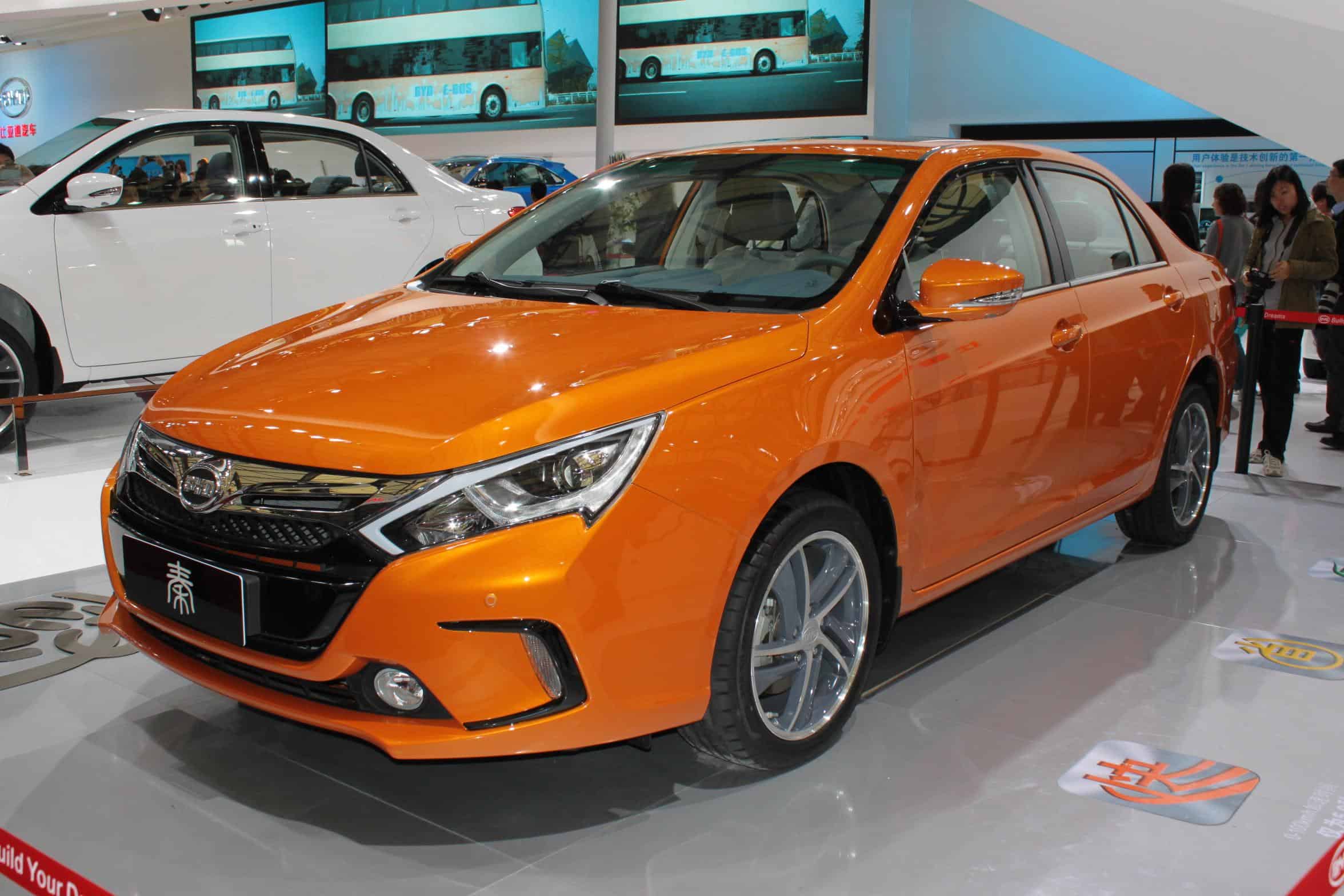
In the first half of this year, China’s EV giant BYD made $2.1 billion on revenue of $52 billion. The net income was up 14% from the previous year. The numbers demonstrate the remarkable success of BYD. Rival Tesla (NASDAQ: TSLA | TSLA Price Prediction) posted relatively similar results for its first half. But BYD sold 4.2 million vehicles last year. Tesla sold 1.8 million. And BYD’s unit sales are rising, while Tesla’s are falling.
One argument that BYD’s figures are skewed is that it is the largest EV company in China, which is the largest EV market by far. However, it has expanded and is beating Tesla in one of the world’s largest markets. BYD sales in Europe in July reached 13,503, representing a 225% increase. Tesla’s were 8,837, down 40%. And, Tesla is losing market share in China, while BYD’s is growing.
BYD is not the only Chinese success story. Among the world’s top 10 largest EV companies, five are Chinese. Beyond BYD, notable competitors include Geely, Changan, Li Auto, and Chery.
BYD has presented another challenge to Tesla. It has moved beyond China and established beachheads in Southeast Asia, Europe, and South America (Brazil is the sixth-largest car market).
Tariffs have somewhat hindered BYD’s sales in the EU. Its July figures for the regions show it has begun to overcome those. Its factory in Hungary has helped it avoid the tariff challenge.
Tesla’s problems are multiplying. BYD, one could argue, has only one. It is kept out of the US by tariffs. Ford (NYSE: F) has publicly stated that BYD and other Chinese companies could harm the American car industry due to the quality of the Chinese products and the low prices they can charge. There is no guarantee that each Administration will follow that path.
Musk, on the other hand, must contend with declining sales, which are partly driven by his negative image. He also has a company with a $1 trillion market cap, as investors believe his company will become a leader in AI and robotics. And those claims may not be supportable.










 Top Gaining Stocks
 Top Losing Stocks