


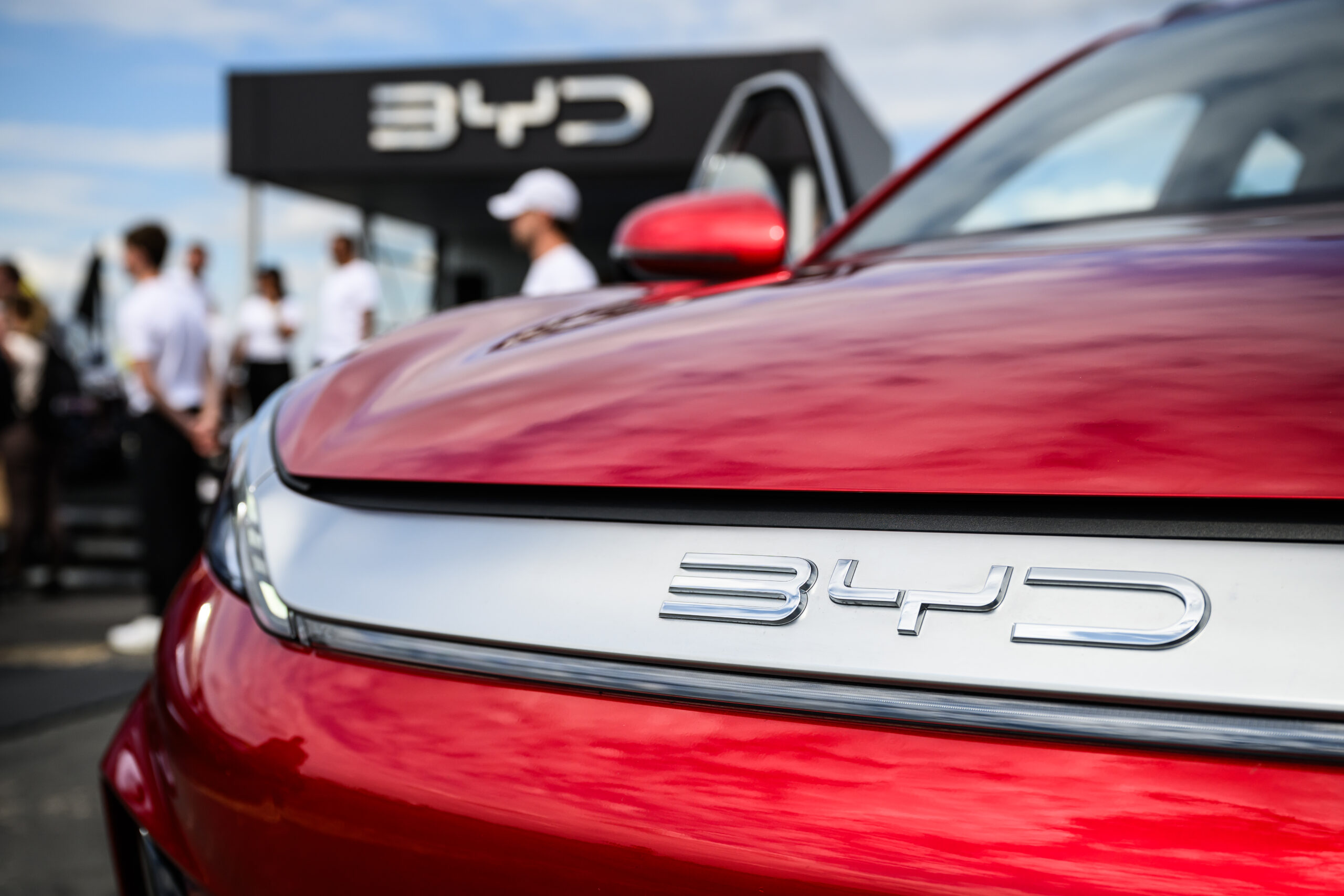
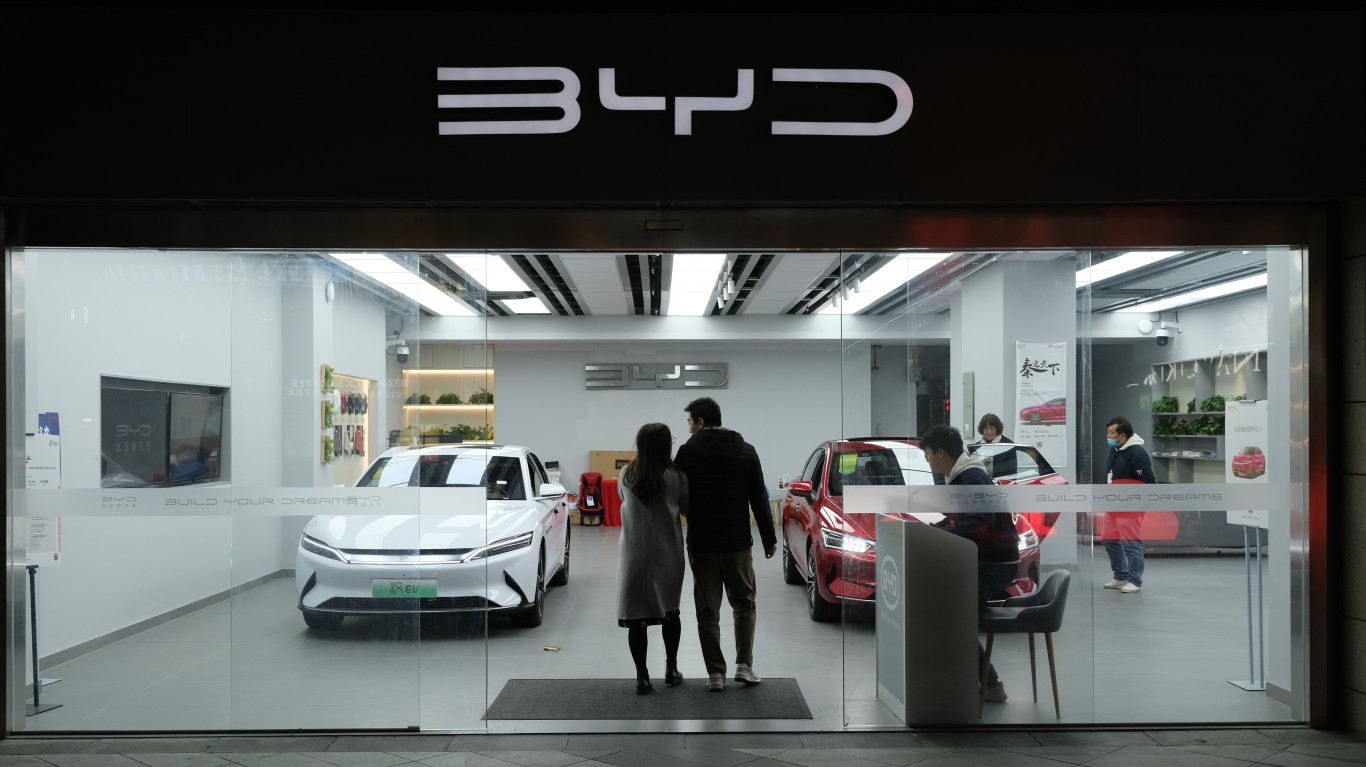
The world’s largest electric vehicle (EV) maker, China’s BYD, just issued a recall of 115,000 vehicles because of design and battery problems. It is the largest recall in the company’s history.
The recalls include Tang series and Yuan Pro vehicles. The information comes from documents issued by the State Administration for Market Regulation, which Reuters obtained.
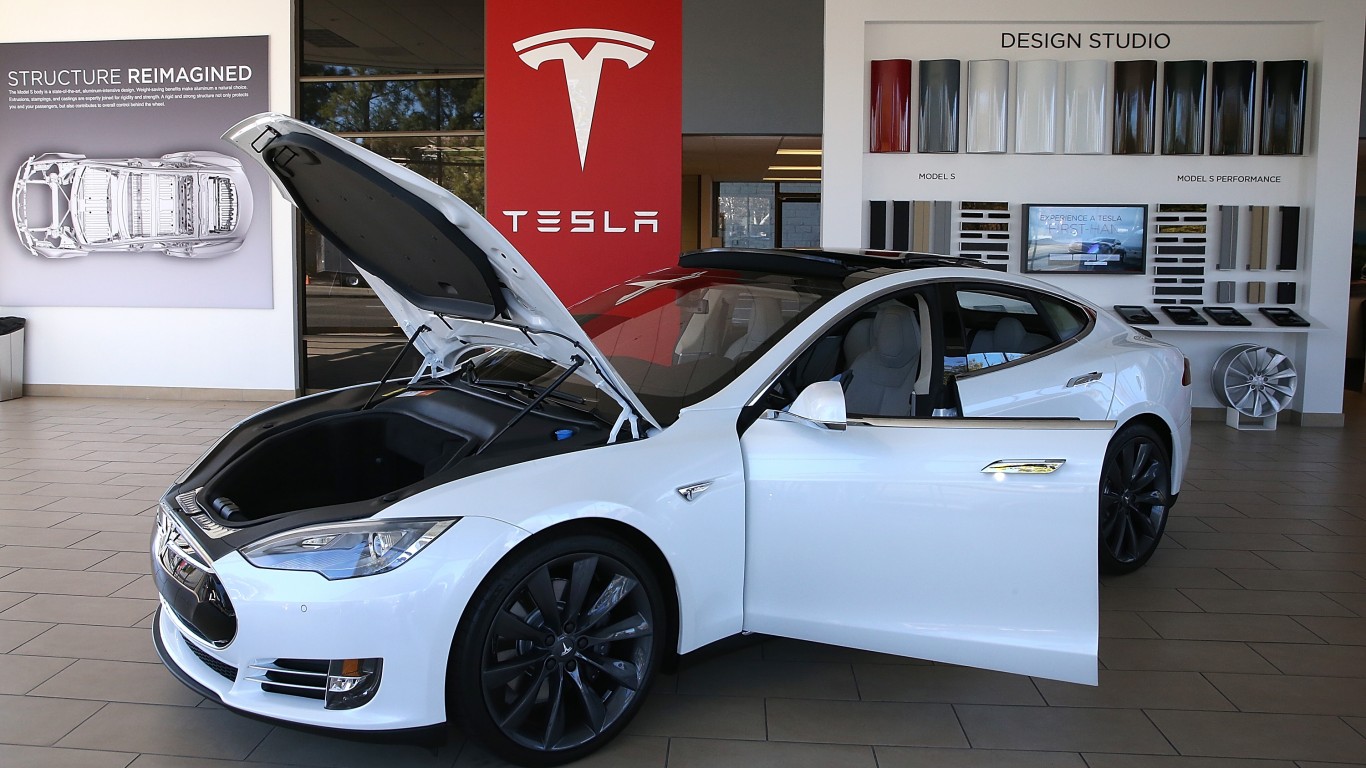
BYD has two claims to fame. The first is that it has become the world’s largest EV company. It has sold more vehicles worldwide than Tesla Inc. (NASDAQ: TSLA | TSLA Price Prediction) for the past four quarters. BYD is likely to keep that lead.
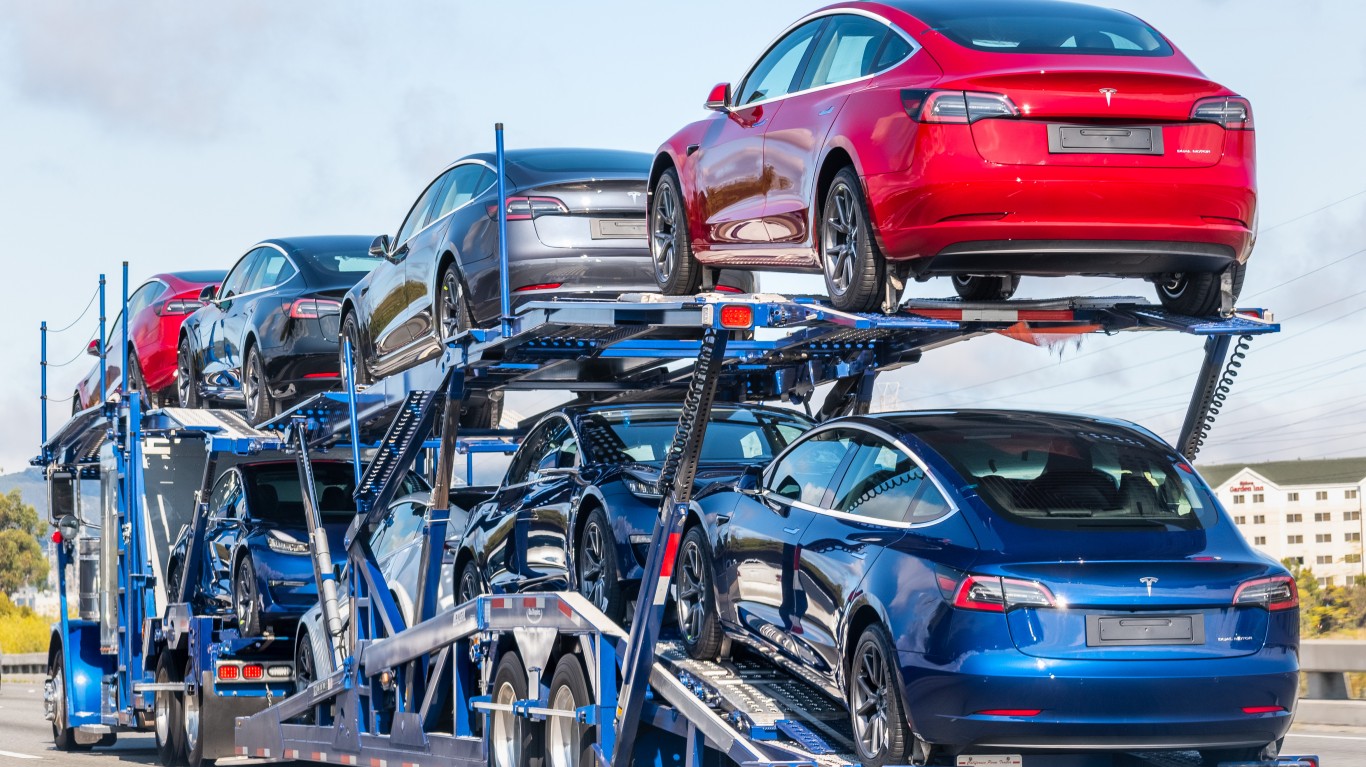
BYD has several advantages over Tesla. Among them is that the political activities of CEO Elon Musk have hurt Tesla sales in the United States and Europe. Most months this year, Tesla’s sales have fallen sharply in most EU nations. In the third quarter of the year, Tesla’s U.S. market share fell to under 45% of new EVs sold. That figure was closer to 80% a decade ago. And the disappearance of the $7,500 tax credit will likely weigh on the U.S. EV market.
Another huge advantage over Tesla is that BYD’s home is based in China, which is the world’s largest EV market by far. BYD has started to diversify its sales base as it moves into Southeast Asia, South America, and Europe. There is a great deal of anxiety among U.S. manufacturers that the only reason BYD has not overwhelmed the U.S. EV market is that high tariffs have prevented it.
Tesla’s problems in the U.S. would be even worse if the market were open to Chinese competitors.
BYD is also known for the fact that Warren Buffett was an early investor and made huge sums by doing so. He recently sold the last of his BYD shares. Buffett associate Charles Munger pressed for him to make his first BYD investment in 2008. It was a long shot at that point, at best. The stock rose fiftyfold over the 2008 to 2025 period, according to an analysis by Business Insider.
The New Fastest Car in the World Is an EV
BYD recently throttled back sales estimates for 2025. The forecast figures fell by 16% to 4.6 million vehicles. It was not entirely clear why BYD cut the numbers. While EV sales have slowed in Europe and the U.S., they have done well in China. However, the number of EV companies in China is estimated to be as high as 200. That had led to a splintering of market share, as well as cutthroat pricing.
Recalls have been a part of the car industry for decades. Car companies face the problem of keeping them to as few as possible, even though the car-building process is complex.








 Top Gaining Stocks
 Top Losing Stocks