


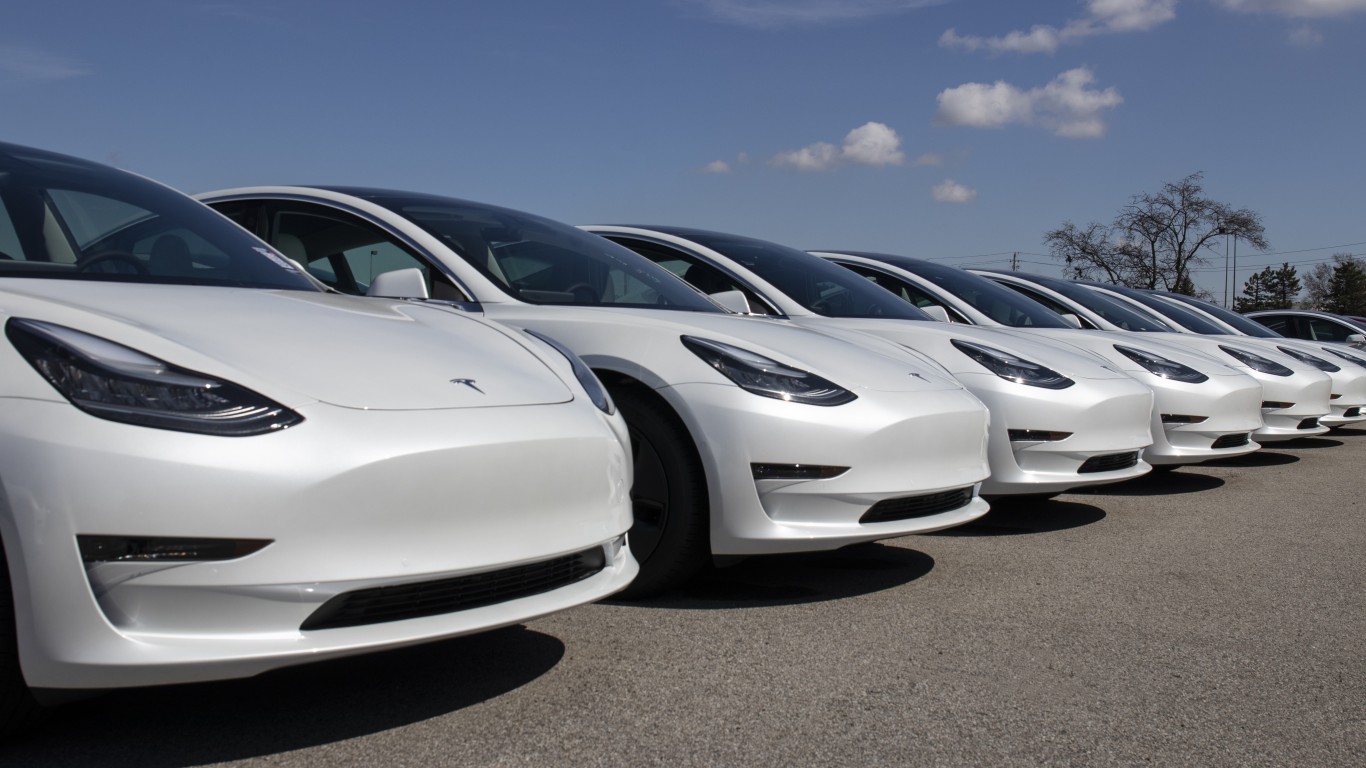
Auto research firm iSeeCars forecasts that, when the $7,500 EV purchase tax credit is removed, the electric vehicle share of the U.S. new car market will fall from its present 7% to 8% all the way down to 4% next year. This new, low market share will last through 2028. This lower market share is expected to persist through 2028. If this prediction is accurate, there will be a bloodbath in the industry.
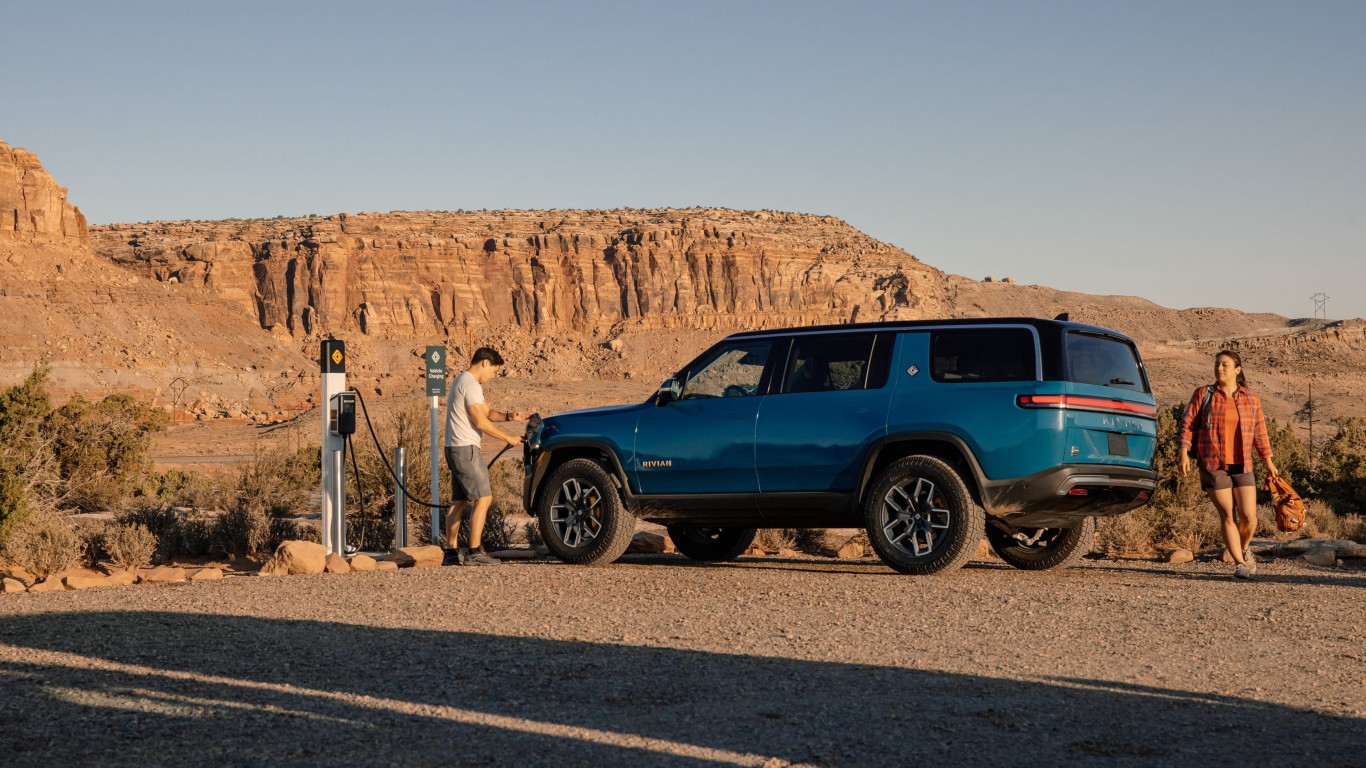
The industry is already terribly fractured. At a 4% EV new car market share level, some companies will die off quickly. This will include the smaller ones, particularly Lucid Group Inc. (NASDAQ: LCID | LCID Price Prediction) and Rivian Automotive Inc. (NASDAQ: RIVN), each of which has been through precipitous drops in stock prices and billion-dollar annual losses. Their focus on expensive cars has already cost them dearly.
None of the legacy car companies ever got to the level where it sold one out of ten new EVs in the United States during any month. General Motors Co. (NYSE: GM), Ford Motor Co. (NYSE: F), and Hyundai/Kia approached it, but that was after investments of tens of billions of dollars. This week GM said it would cut production of its Chevy Bolt, Cadillac Lyriq, and Vistiq. Just last week, GM was bragging about its success in the luxury EV market. The company changed its stance in only a few days.
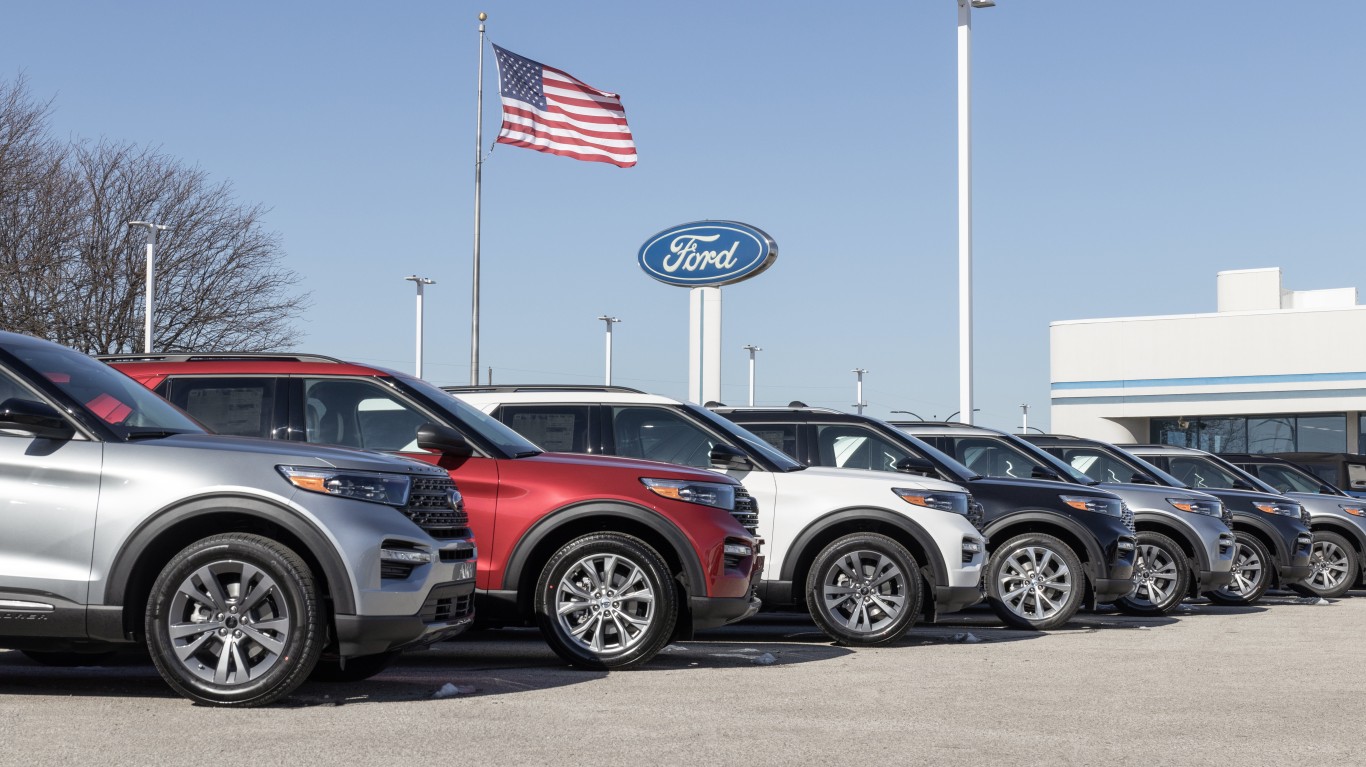
Ford’s sales figures for the first eight months of the year showed that EVs were only 4% of its new cars sold in the U.S. That is after an investment it said would reach $30 billion. Ford said it would lose $5 billion in its EV business in 2025. Ford also announced a new assembly line system that will produce only one new EV product in 2027.
What About Tesla?
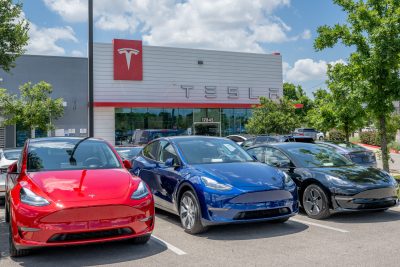
Tesla Inc. (NASDAQ: TSLA) once had an 80% market share in the U.S., but that dropped to 38% in August, according to Reuters, using data from Cox Automotive. This and its sales trouble in Europe and China have opened the door to a possible negative net income in the fourth quarter, which would be an extremely damaging turn of events. Tesla’s future has moved to robotics and self-driving cars, if it can make those work.
Finally, the used EV market is booming. This is particularly true for Teslas. Why should people spend $50,000 for a new Tesla when they can get a two-year-old lightly used one for closer to $25,000? Used Tesla sales are cannibalizing the sales of new ones.
If iSeeCars is correct, no company may make money on EVs in the next two years. That raises the question of how many of these companies will exit the EV business completely.
Tesla’s Robotaxi Revolution: Is It About to Become the New Uber?






 Top Gaining Stocks
 Top Losing Stocks