


[cnxvideo id=”509260″ placement=”ros”]With interest rates so low for so long — 0.01% typically — stashing money in a savings account has seemed little better than putting it under your mattress. That situation is about to change, and now might be a good time rethink your savings plan.
In the current low-interest environment, a savings account with a balance of $25,000 and an interest rate of 0.01% generates just $25 in interest. But if that rate rises to 1.1% the interest payment rises to $275 a year. Not a king’s ransom, for sure, but significant nonetheless.
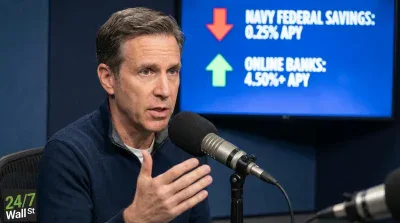
An interest rate of 1.00% to 1.05% is available right now at some high-yield, online banking sites, and one of the easiest things to change quickly is to move your savings to a high-yield savings account. Researchers at NerdWallet last month identified eight high-yield savings accounts you might want to consider.
In addition to switching to a high-yield account, consumers can take a couple of extra steps to maximize the interest they earn on their savings.
[nativounit]
First, save more. According to a new report from NerdWallet, the average American saved 5.85% of disposable income last year, up from 2.95% in 2007. Still, that amounts to an average of just $2,540 per year. An unexpected event — say, a visit to the emergency room — could easily eat up most of that.
Second, save your income tax refund. Because the average tax refund is about $3,070, you could more than double your annual savings rate by simply putting that refund into your savings account. If you add the average tax refund to the average annual savings, you’ll have saved about $5,600 in a year, and an emergency room visit will chew through less than a third of that rather than two-thirds.
NerdWallet credit and banking expert Sean McQuay noted:
As interest rates increase, banks will want to lend more money, which means they need to incentivize consumers to deposit more money in checking and savings accounts. As a result, soon banks will be competing for your money by offering increasingly high-interest yields.
Consumers shouldn’t wait to switch. Banks aren’t going to wake up one day and announce dramatically better APYs, so I recommend consumers switch over to a high-yield account sooner rather than later to make sure they capture as much of those gains as possible.
For more details visit the NerdWallet website.
[wallst_email_signup]









 Top Gaining Stocks
 Top Losing Stocks