



If you’re feeling uneasy about the economy these days, you should know that you’re in good company. The University of Michigan’s consumer confidence survey for March posted a reading of 57.9, a 10.5% decline from February. That reading was also the lowest since November 2022.
Why the negative outlook? There are a lot of factors at play.
Inflation and interest rates remain stubbornly high
Inflation has been battering consumers for years, driving up the cost of just about every essential expense. Things have gotten so bad that some consumers are struggling to cover their basic bills — even on a decent wage.
This period of rampant inflation was kicked off in the wake of the pandemic. The government was generous with stimulus funds at a time when supply chains had started to slow down. That caused a disconnect between supply and demand, leading to higher costs.
Thankfully, inflation has cooled since peaking in mid-2022. But it remains frustratingly elevated.
In February, the Consumer Price Index was up 2.8% on an annual basis. Food, shelter, and transportation costs all increased notably year over year.
Meanwhile, the Fed responded to soaring inflation by raising interest rates 11 times between early 2022 and mid-2023. Those hikes were designed to get consumers to cut back on spending to allow supply to catch up to demand.
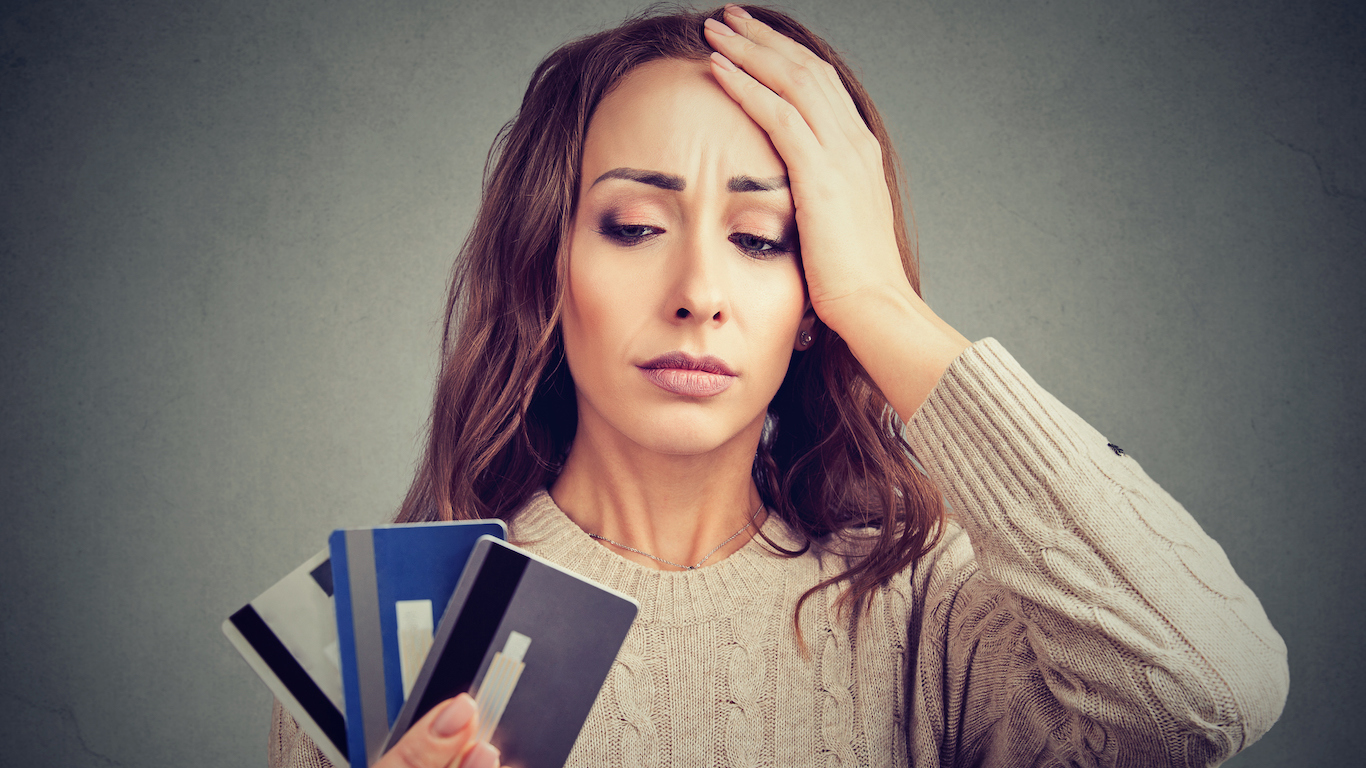
The Fed lowered interest rates a few times in late 2024, but they remain high. And that means it’s still expensive for consumers to borrow money, which isn’t good news for those who have to rely on credit cards to cover their basic expenses.
Tariffs are a big concern
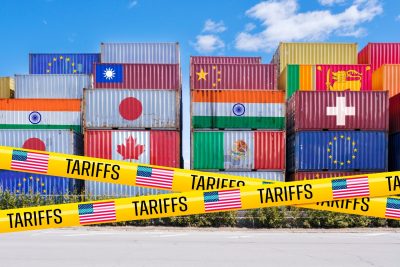
Another reason consumers may be lacking confidence in the economy is that the Trump administration is forging forward with plans to impose tariffs on foreign nations. The fear is that this will only drive the cost of living upward.
If retailers have to spend more money to procure products, they’ll have to pass the cost along to consumers — there’s no getting around it. And if more goods are sourced domestically, that could also lead to higher prices — something consumers can’t afford right now.
There’s also the concern that consumers will pull back on spending even more in light of higher prices, which could, in turn, fuel a recession. Earlier in March, President Trump said he would not rule out the possibility of a recession and warned about “a period of transition.”
How to protect your finances today
Clearly, things are somewhat shaky from an economic standpoint these days. So it’s important to look out for your finances.
First, make sure to have a fully loaded emergency fund — one with enough money to cover at least three months of essential living costs. If a recession hits and it leads to broad layoffs, your job could be impacted. So it’s important to have money in the bank to fall back on.
Secondly, if possible, try to work on paying off expensive debt. The Fed does not seem to be in a rush to lower interest rates, so the sooner you’re able to shed debt, the less money it will cost you.
Also, it’s a good time to boost your job skills and start networking in case your job does go away. Reach out to contacts in your professional network to get the ball rolling.
Finally, make sure your investment portfolio is well-diversified. A recession could lead to a stock market downturn, so a healthy mix of investments is important.
And along these lines, make sure your investments are age-appropriate. You don’t want to go too heavy on stocks if retirement is looming, especially given today’s economic circumstances.











 Top Gaining Stocks
 Top Losing Stocks