


At last week’s G20 meeting in Buenos Aires, Saudi Arabia and Russia agreed to extend their crude oil production cuts in an effort to raise the price of benchmark Brent crude back to around $70 a barrel, about $10 higher than it traded for on Friday.
Another major producer, not associated with the cartel or its other partners, also has moved to push prices higher. The provincial government of Alberta, home of Canada’s oil sands deposits, has ordered a production cut of 325,000 barrels a day (about 8.7% of daily production) beginning in January in an effort to drain the amount of crude the province’s producers currently hold in storage.
Western Canada Select (WCS) crude oil sold for $12.38 a barrel a week ago and closed Friday up nearly 10% to just under $17. The Saudi-Russian agreement has added about 4% to the price of Brent and West Texas Intermediate (WTI) in early electronic trading Monday morning.
At the OPEC meeting in Vienna that begins later this week, the details of the Saudi-Russian agreement will be worked out, but it’s virtually certain that the Saudis will have to bear the brunt of the production cuts, at least among OPEC’s members. Iraq was exempt from the previous round of cuts, and Iran’s production likely already has been curtailed as a result of U.S. sanctions. Venezuelan production has crumbled on its own, and Nigeria, the other large cartel producer, has its own political problems. Only Saudi Arabia and Russia matter a lot, although OPEC members Kuwait and the United Arab Emirates and non-OPEC partner Oman can chop a significant number of barrels as well.
[nativounit]
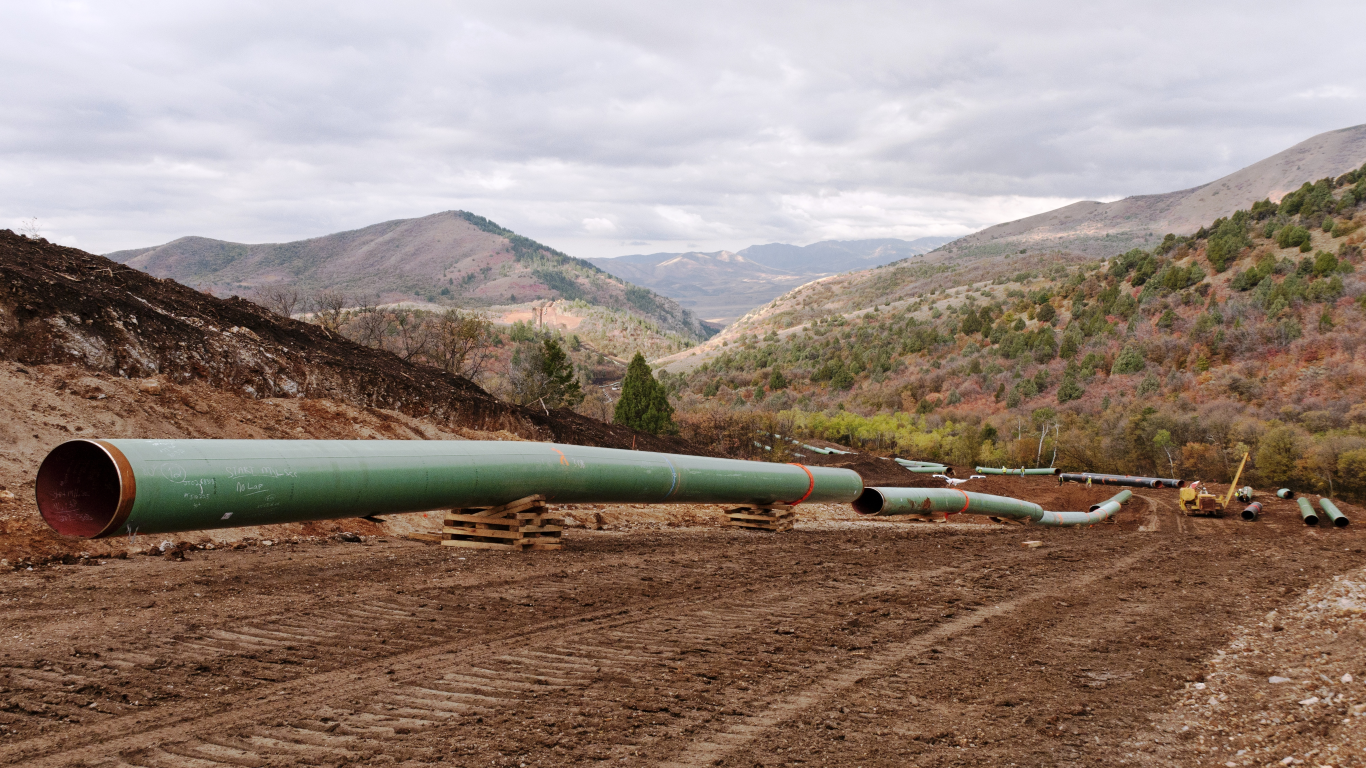
The Alberta government’s decision was forced on it because the crude oil produced in the province has no way to get out. The Keystone XL pipeline system remains under challenge in the United States, the Trans Mountain pipeline system is being challenged in British Columbia, and the expansion of Enbridge’s Line 3 that carries crude east the Great Lakes won’t be completed until later next year, if it can overcome its own court challenges.
The Canadian production cuts are intended to lift the price for WCS, which just a couple of months ago traded at a discount of more than $50 a barrel to WTI. Last week, Alberta’s government promised to buy about 80 locomotives and 7,000 rail cars to help move the crude out of the oil sands region and to market, but that won’t drain the surplus supply very quickly and won’t do much to get WCS prices back up.
According to the government, production capacity in Alberta currently exceeds transportation capacity by 190,000 barrels a day, and there are 35 million barrels of crude in storage, double the normal level. The production cut will be reduced to 95,000 barrels a day at the end of next year or when the province’s storage tanks have been drawn down. Ultimately the government expects to add about $4 a barrel to the price of WCS.
While the government’s move is probably welcomed by independent producers, integrated oil companies like Cenovus, Husky Energy and Imperial (which is owned by Exxon Mobil) have benefited from the low-cost of crude flowing to their refineries and driving up refining margins. U.S. midcontinent refiners that receive WCS include Marathon, Flint Hills and BP, and they too have seen better margins than their U.S. competitors. Adding a few bucks per barrel still leaves these refiners with feedstock that costs far less than Gulf Coast or East Coast refiners.
The only thing that will push the price of WCS up and keep it higher is more pipeline capacity out of the oil sands region. That day still appears to be at least a year or two in the future.
[recirclink id=508589]
[wallst_email_signup]







 Top Gaining Stocks
 Top Losing Stocks