


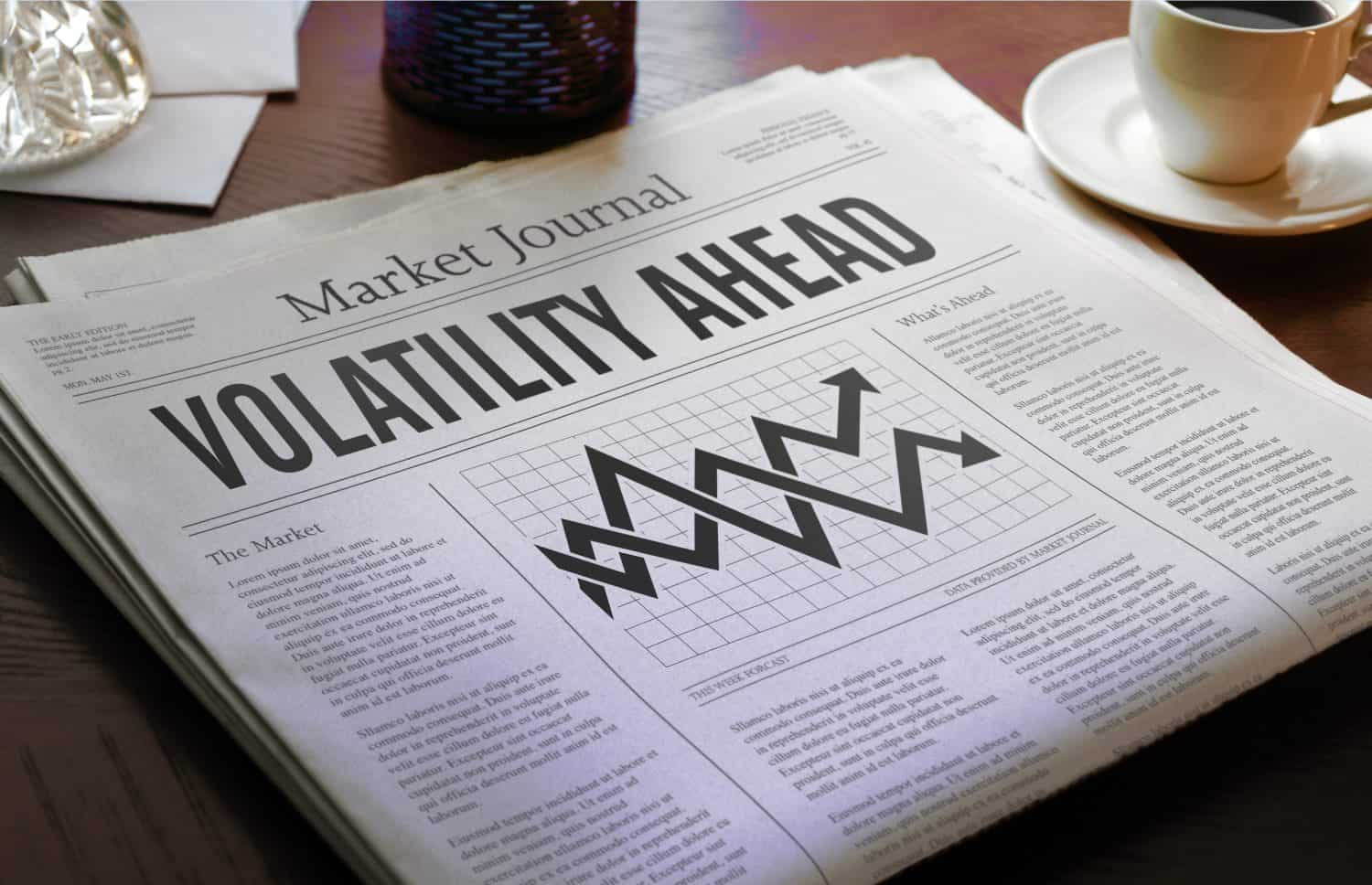
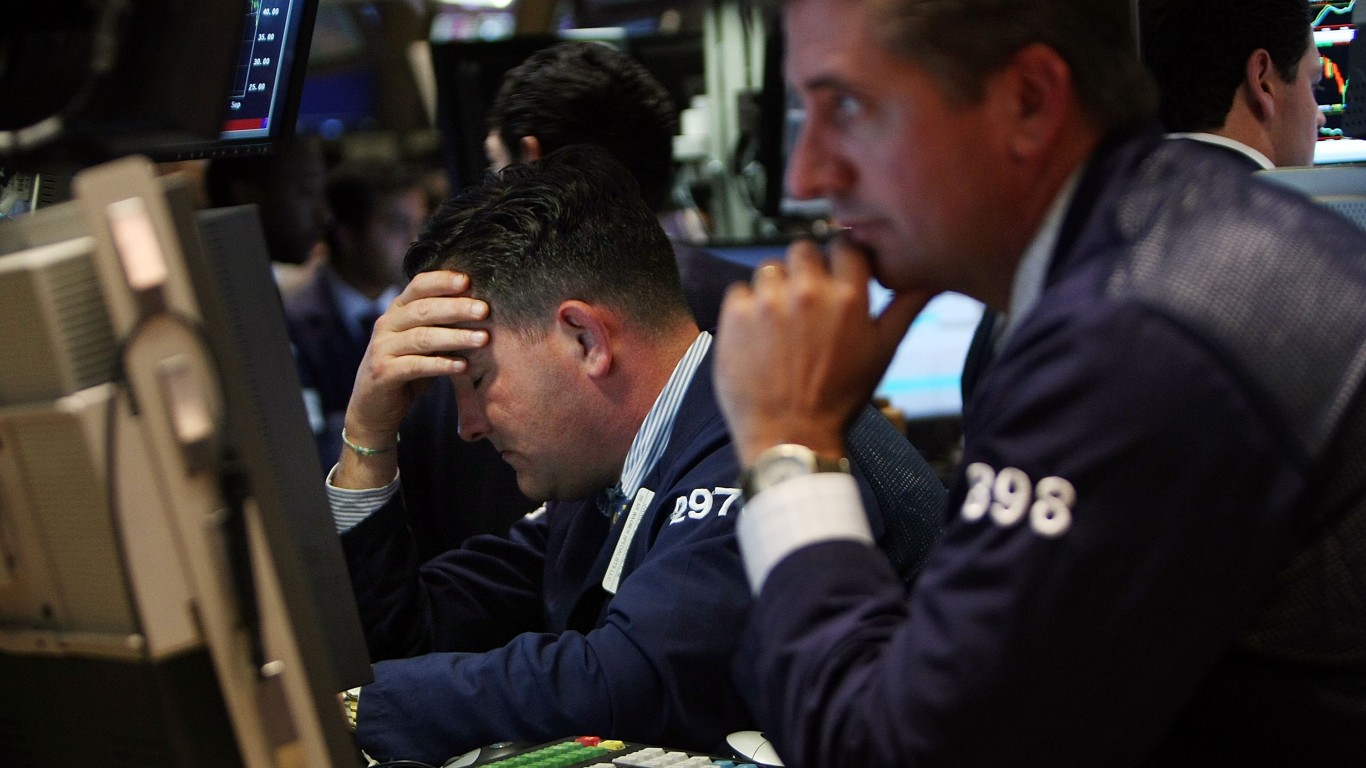
The S&P 500 dropped 21% in the first half of 2022. It was the worst six-month start since 1970. It could happen again this year. Some of the ingredients are in place.
If there was a single driver of the 2022 sell-off it was inflation, The consumer price index (CPI) rose 9.1% in July 2022. Fuel costs surged by more than 60%. Crude oil prices had topped $100 in February. Russia invaded Ukraine in that same month, and there was anxiety about a sharp drop in oil production.
Inflation has been tamed recently, mostly by the Federal Reserve. In December of last year, the CPI rose only 2.9%. The average price of a gallon of regular gasoline fell below $3.
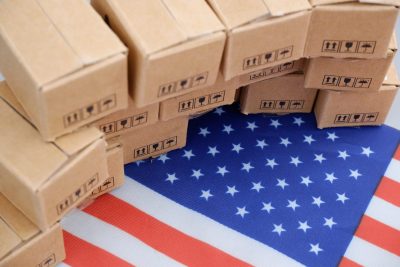
Tariffs are one great enemy of low inflation. The Trump administration has promised to put tariffs of 25% on imports from Mexico and Canada. Proposed tariffs would also include 10% on imports from China.
The top three providers of imports to the United States, based on 2022 data, were China ($537 billion), Mexico ($455 billion), and Canada ($436 billion).
Mexico exports a number of items that are critical to the American economy and particularly to consumers. Cars and car parts are among these. Crude oil and computers are other major items. During 2022, a primary reason for inflation was oil supply. Other items that drove the CPI up were used and new car prices.
Oil, minerals, cars, and wood are major imports from Canada. An interruption of crude imports from both nations could have a huge effect on what Americans pay for gas and heating oil. American car companies would have a chance to increase new car prices if the supply from Mexico and Canada fell sharply.
If inflation is among the largest challenges to the S&P 500 and the rest of the stock market as it was in 2022, it could return in 2025, if aggressive tariffs become part of the economy.











 Top Gaining Stocks
 Top Losing Stocks