


During the disastrous, inflation-fueled 2021-2024 period of American history, falling bond prices and high yields proliferated. The S&P 500 fluctuated between 3,400 and 4,400 and back down again. The buying power of the dollar eroded precipitously, and many found themselves relying on credit cards to pay for essentials like food, utilities, and medicine.
Since the dawn of civilization, commodities that retained their value internationally, were relatively portable, and widely accepted as medium of exchange. In the past, salt, peppercorns, and tea all served that purpose. Rice was so highly valued in ancient Japan that its husks were used for making tatami mats and Japanese merchants created the candlestick charting system to track the rice market. Jews escaping the Holocaust in Europe turned to diamonds as a portable store of wealth to travel to the US and elsewhere.
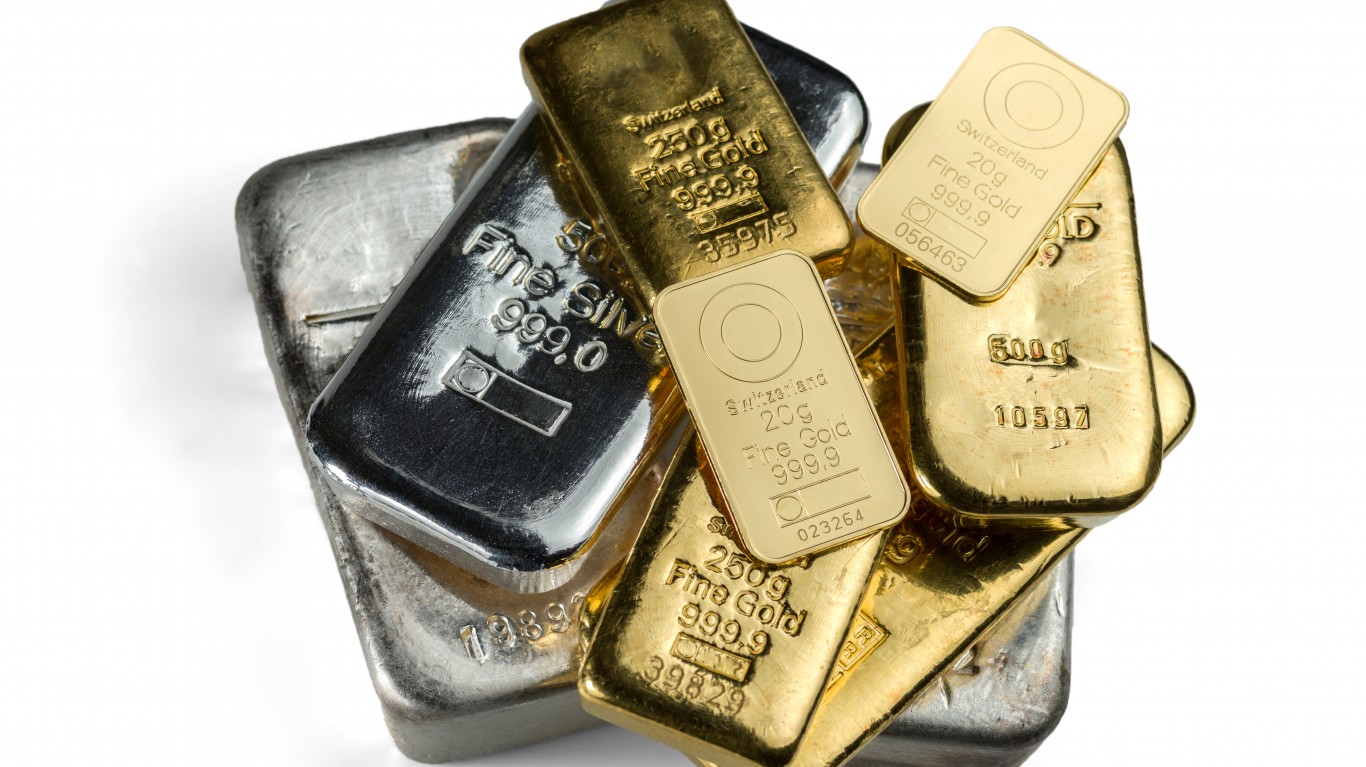
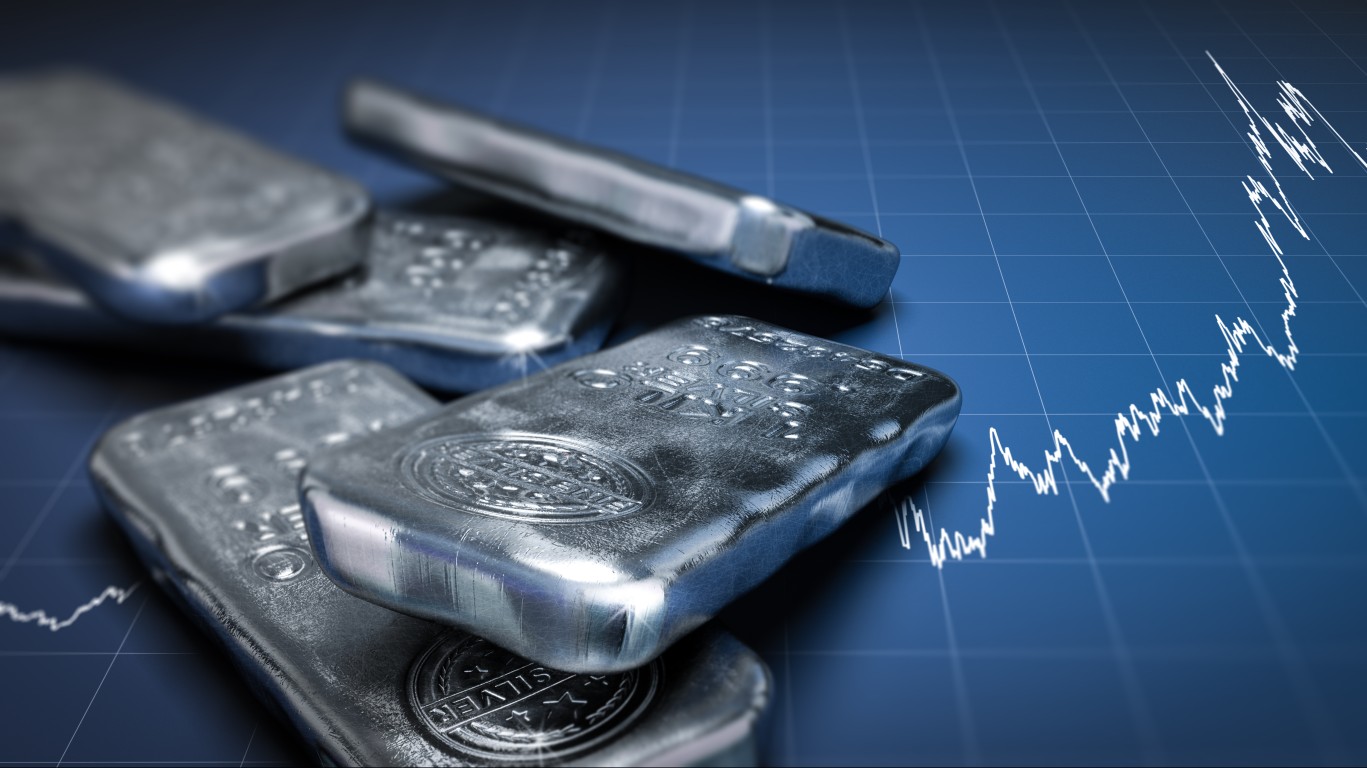
For centuries, precious metals, with gold in particular, have been the go-to asset as a haven to ride out inflation. In addition to commercial and artistic applications, governments losing control of their finances and citizens’ mistrust in the viability of fiat currencies have initiated a trend to return to a gold standard as the foundation for an asset backed one.
Unlike in days past, contemporary investors have the choice to obtain their precious metals exposure via the convenience of Exchange Traded Funds or through the acquisition of physical metals in the form of bars, coins, or other configurations. There are pros and cons for each format that investors should weigh before deciding, but either way, there are both economic and political justifications for owning precious metals now that are greater than at any time previously this century.
Pros and Cons of Physical Precious Metal Investments
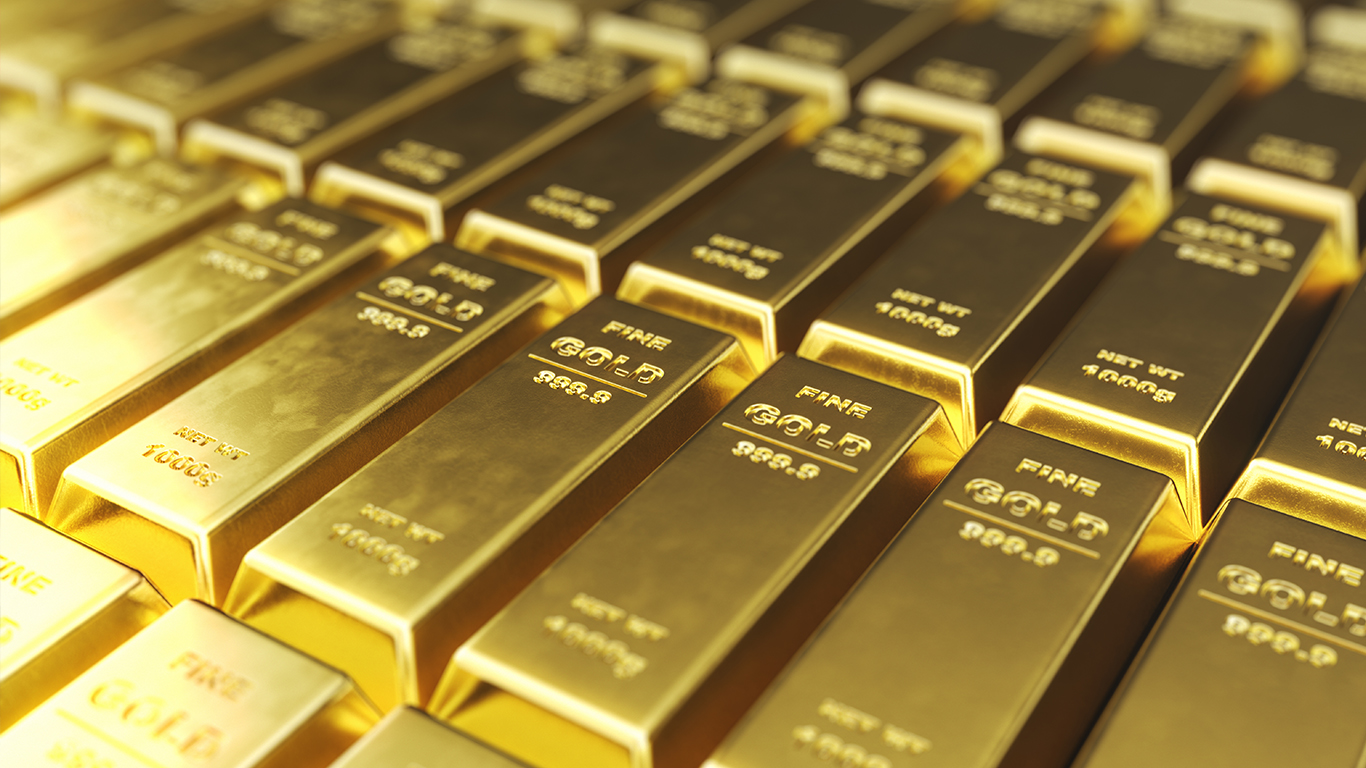
For centuries, gold and silver have long been regarded as stable stores of wealth and as hedges against inflation. This remains so in the 21st century.
The origin of paper money is historically traced back to 7th century T’ang Dynasty China. Paper money was officially created to represent silver, as decreed by the emperor. Fast forward to the 21st century: not only are securities and derivatives of securities now multiple steps away from actual tangible value assets, but cryptocurrencies and digital bit and bytes representing assets are actually preferred by millions of people over the actual original stores of value, i.e. physical gold, silver, or other precious metals. However, the underlying rationales for owning precious metals today are still just as valid as back in the 7th century and arguably even more so now, due to new technologies that pose risks to investors that never existed prior to 2000.
Some arguments in favor of physical precious metals include:
Drastically reduced counterparty risk – Assuming that the precious metals are in a universally accepted and acknowledged hallmarked or minted configuration to guarantee purity and prevent counterfeiting, the asset’s value is intrinsic. The following risks are thus mitigated:
- Threat of digital hacking
- Risk of bank or financial institution default
- Tangible Ownership and Control – unlike securities in street name, which can be subject to a stock loan department for others to sell short, there are no such threats with precious metals in an investor’s direct possession.
- Privacy – acquiring physical metals is not tracked by any third party, unlike with ETF sales, which are tracked by both regulators and the exchanges.
- Intrinsic Value – the reason why precious metals are viewed as an excellent hedge against inflation is that they retain their value due to their relative scarcity. As long as no previously unknown motherlode source is identified that suddenly floods the market with fresh product, the level of precious metals scarcity will likely remain stable or increase over time.
Arguments against physical precious metals include:
- Secure Storage – the threat of robbery and theft demands that secure storage, as in private vaults or even professional vault services may be required.
- Transport – Physical precious metals for any substantial amounts are more cumbersome to transport, and are at even greater risk for theft or robbery when in transit between locations.
- Liquidity – the number of physical metal buyers in any given city or town is much more limited due to the security requirements needed for storage and transport. As a result, liquidity can be an issue if an immediate sale urgency arises.
- Costs – Secure storage and transport of physical precious metals can be expensive, and if brokers are required to facilitate buying and selling and/or insurance policies are taken out for them, that cost only escalates faster.
- Authenticity and Provenance – purchase of physical precious metals entails making sure that there are valid third party verifications of authenticity (to ensure purity) via assay and chain of custody certification. Provenance discrepancies or gaps could indicate that the metals in question may have been obtained illegally.
Pros and Cons of Precious Metal ETFs
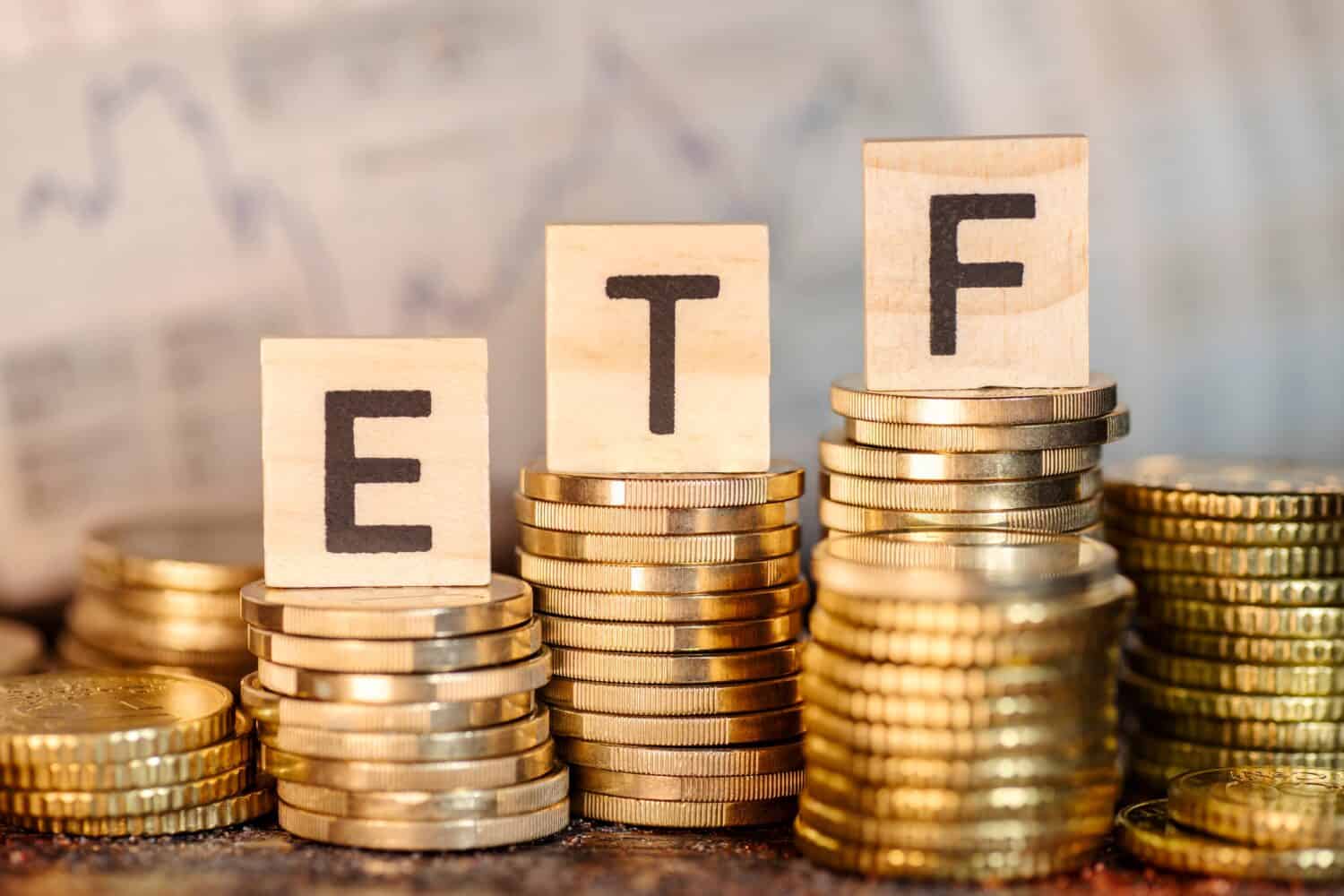
Precious Metals ETFs offer investors exposure to the asset class in a convenient form akin to stocks, but they come with other risks.
Exchange Traded Funds are a means to offer investors exposure to precious metals in a variety of ways. The advantages are many, and mirror the reasons why the paper money concept born in China spread throughout the rest of the world and took hold for so many centuries.
Arguments in favor of ETFs include:
- Convenience of storage – as ownership is in the form of ETFs, there is no physical ownership, but code in a securities account that exists in cyberspace. As such, it can be accessed 24/7 from a computer or smartphone anywhere that a WiFi or ethernet connection can be obtained.
- Convenience of transport – since ETFs exist as digital code in securities accounts, there is no issue of transport.
- Liquidity – The number of ready, willing and able buyers for a precious metals ETF is much broader and deeper than with physical precious metals.
- Lower Costs – ETF costs compared to those associated with physical precious metals, are minimal to negligible, often under 1% annually, although these can accumulate over time.
- Exposure Variety – ETFs can cover a specific listed exchange, such as London Metals Exchange rates for gold or silver, a selected portfolio of metals, futures, or even mine production, to name a few.
Drawbacks of ETFs include:
- Lack of Actual Ownership – An ETF is not exactly the same as tangible physical ownership of a precious metal. At its core, it is nothing more than an IOU with a fancy name, and introduces risk, albeit small, of default to shareholders.
- Tracking Discrepancies – Although they are designed to track the underlying market of gold, silver, or a basket of precious metals or producers within a specified index, there are factors that could cause the tracking of the ETF to deviate from its benchmark. These factors can range from computer errors to management or regulatory issues.
- Third Party Risks: Although rare, there are instances when an ETF manager or sponsoring issuer may have violated securities regulations that can trigger a freeze on ETF trading.
The Case For Precious Metals Portfolio Exposure
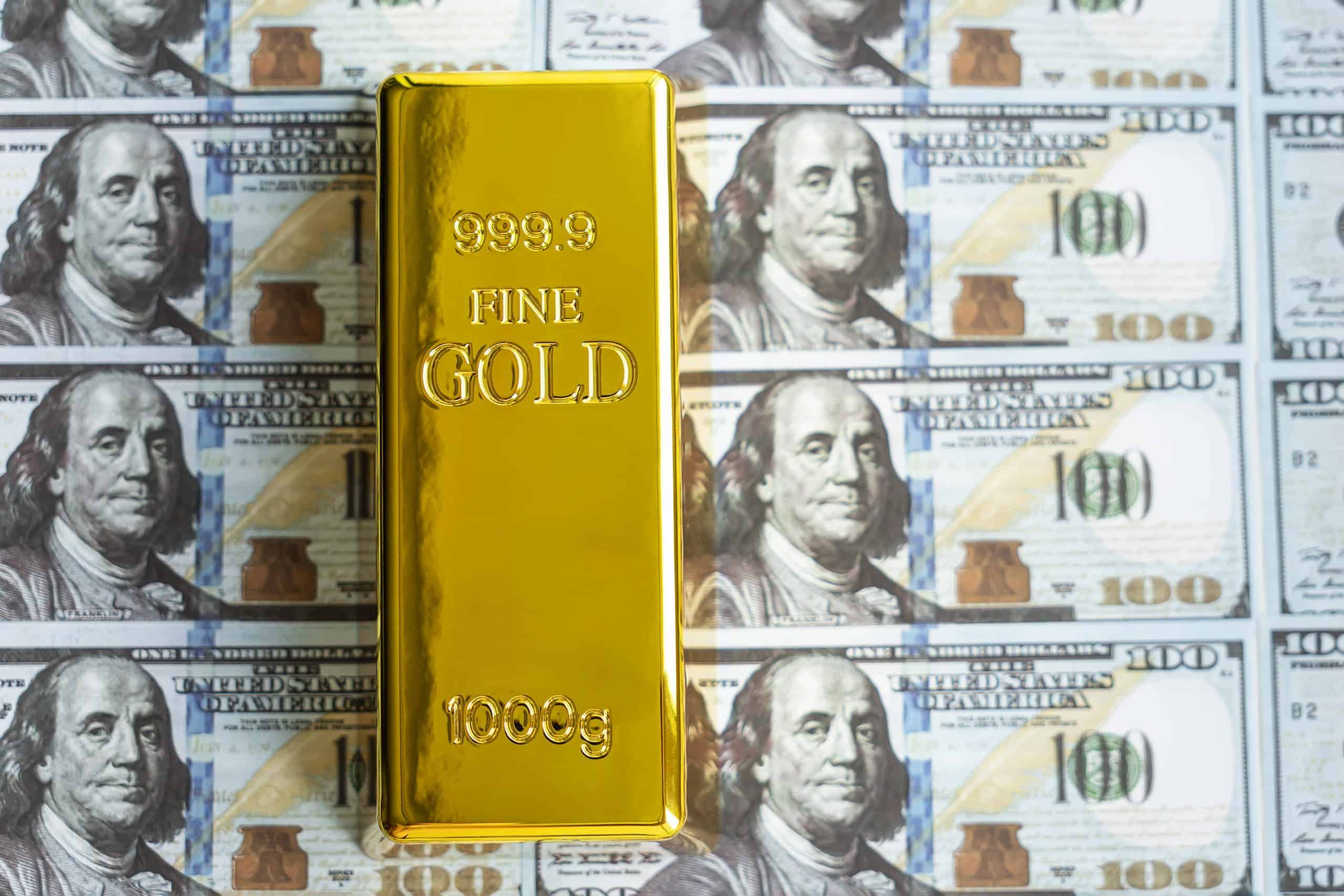
With central banks around the globe buying over 1,000 tonnes of gold per year for the what looks to be the 5th in a row for 2025, there is clearly a worldwide trend for gold to offset the US dollar and other currencies that may devalue in the future.
Regardless of an investor’s preference for either ETFs of physical precious metals, there is a fairly strong case to be made for portfolio exposure to some degree regardless of configuration for the following reasons:
- Silver Depletion – silver demand is at record highs, and supply deficits are now in their 4th consecutive year. Silver is an integral component in manufacturing LED displays, so every smartphone, computer screen and HiDef television monitor all uses silver that will never be recovered and recycled. Silver is also used for its electrical conduction properties in electronics, in data centers for AI, in manufacturing alkaline batteries, in EVs, EV charging stations, electric grid infrastructure, jewelry making, and a panoply of other applications.
- International Central Bank Policy Changes – The growth of BRICS and the trend away from settlement of international commodities contracts away from the US dollar has triggered a number of policy changes that favor precious metals. Additionally, the threat of a prolonged war between Iran and Israel, the ongoing Ukraine conflict, and the disputes among some NATO member nations with shouldering their share of costs (ex. Spain) have caused Central Banks in numerous countries to escalate their gold bullion reserves. The World Gold Council reported that Central Bank gold purchases have exceeded 1,000 tonnes for the past 4 consecutive years, with 2025 Q1 reporting 244 tonnes bought with 43% of banks confirming intent to purchase more in 2025.
- State Policy Changes – As of July 2025, 46 states have dropped sales taxes on purchases of precious metals purchases. The lone holdouts at the time of this writing are: Hawaii, Maine, New Mexico, and Vermont. Going even further, 11 states have now officially recognized gold and silver as legal tender:
- Arizona
- Indiana
- Kansas
- Louisiana
- Oklahoma
- South Carolina
- Tennessee
- Texas
- Utah
- West Virginia
- Wyoming
Clearly, the demand from constituents is driving these legislative changes. When governments, institutions and individuals all share the same bullish sentiment, the market is bound to react in sympathetic fashion, so, as the Wall Street saying goes, “the trend is your friend.”













 Top Gaining Stocks
 Top Losing Stocks