


Nvidia (NASDAQ:NVDA | NVDA Price Prediction) has experienced a meteoric rise over the past few years, transforming from a graphics card giant for gamers into the undisputed leader of the AI revolution. With a market capitalization soaring to $4.27 trillion, Nvidia has far outpaced traditional tech titans and leads the S&P 500, where the top 10 stocks now account for 40% of its market cap.
This historic milestone underscores Nvidia’s dominance in the AI-driven economy. However, as the benchmark index’s concentration heightens risk, the question remains: can Nvidia sustain its upward trajectory after a shocking development that could undermine the AI chipmaker’s future growth.
A Sudden Pause in H20 Chip Production
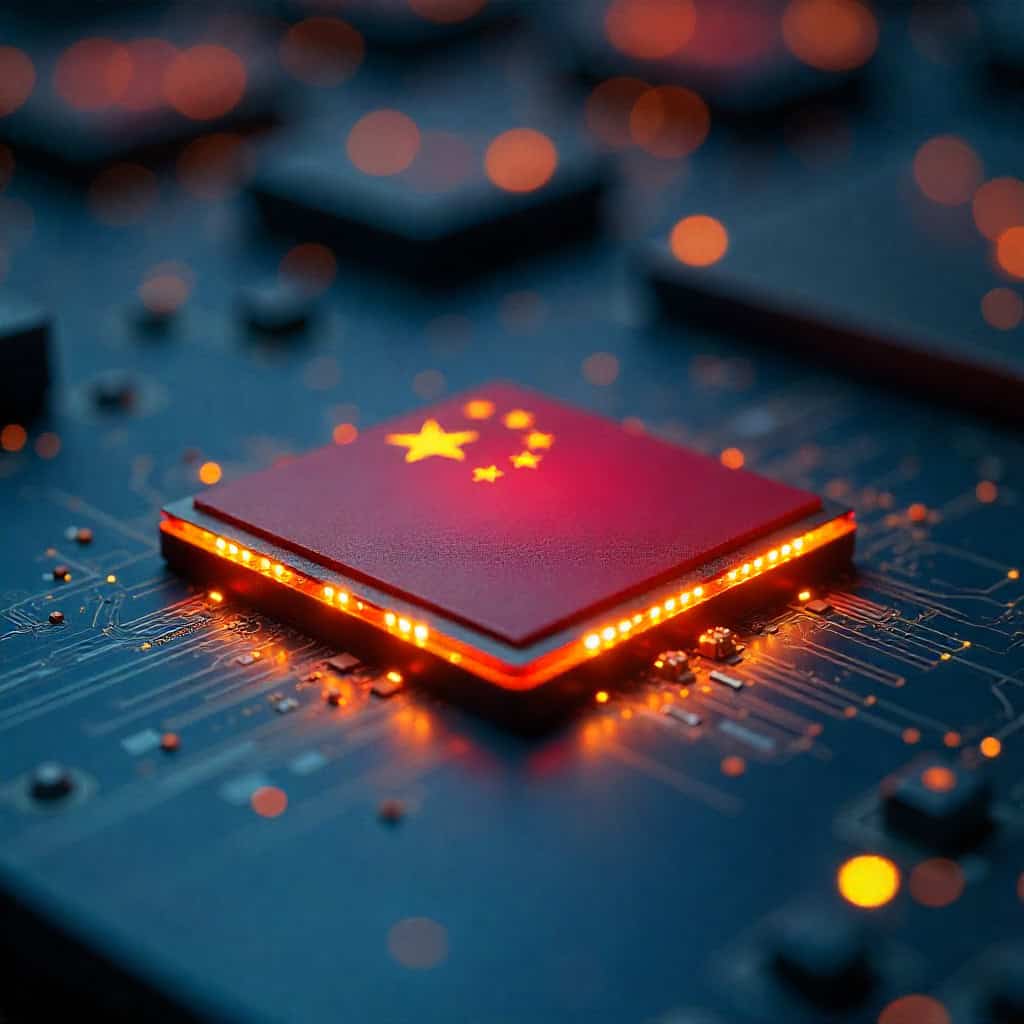
Reuters report a significant new hurdle emerged when Nvidia ordered its suppliers to halt production of its H20 chips tailored for the Chinese market. It follows a directive from Beijing urging local tech firms to not use the H20 chips and prioritize domestic suppliers. Although not a requirement, its effect is the same.
The edict came after Nvidia (and Advanced Micro Devices (NASDAQ:AMD) agreed to forfeit 15% of their chip sales in China to the U.S. government in exchange for gaining new export licenses. China warned local companies of potential security problems with the H20 chips, reflecting ongoing geopolitical tensions between the two countries. Nvidia wrote lost $8 billion worth of chips sales in China after export control were imposed, and analysts had estimated the chipmaker could restore upwards of $5.5 billion in revenue this year after being awarded the new licenses.
The H20 chip — a dumbed-down version of its advanced Blackwell accelerator that was designed to comply with U.S. export regulations — was seen as critical to Nvidia maintaining a foothold in China.
With production now reportedly suspended, Nvidia faces a potential revenue gap as China represented a substantial portion of its AI chip sales. This turn of events raises concerns about Nvidia’s ability to continue on its current trajectory and could potentially trigger a stock crash, shaking investor confidence in its growth story.
Global Demand and Growing Doubts
Despite the China setback, Nvidia’s advanced AI accelerators remain in high demand outside the region. Markets in North America, Europe, and emerging economies continue to fuel growth, potentially offsetting lost Chinese revenue.
Analysts suggest Nvidia can leverage its dominance in data centers and gaming sectors. According to data from Haver Analytics and Goldman Sachs, there are now $40 billion worth of data centers being built in the U.S., putting data centers on track to surpass general office construction later this year.
However, clouds are gathering. Meta Platforms’ (NASDAQ:META) recent AI hiring freeze signals caution among tech giants, while an MIT study revealed that 95% of companies investing in AI see little to no return on investment, with only 5% reporting significant revenue gains. This suggests the AI boom’s immediate growth trajectory may be stalling, casting doubt on the long-term profitability of Nvidia’s core market.
Are Strategic Pivots Enough?
Nvidia’s response to the H20 halt will be pivotal. The company is likely to double down on R&D, accelerating development of next-generation chips to meet global demand, particularly in data centers where AI workloads are surging.
Partnerships with cloud giants like Amazon (NASDAQ:AMZN) and Google, which rely heavily on Nvidia’s GPUs, could bolster its position. Yet, the geopolitical rift with China may prompt Nvidia to diversify its supply chain, a costly but necessary move to mitigate future risks.
Meanwhile, the stock’s high valuation — trading at a forward P/E ratio of 40 — heightens its vulnerability to market corrections if AI hype fades. Investors are watching closely as Nvidia navigates this turbulence. The chipmaker is scheduled to report earnings next week and it will be important to see if it can innovate and secure new markets as a means of maintaining its lead.
Key Takeaways
Nvidia’s future hinges on its ability to capitalize on global demand while navigating these uncertainties. The company’s loss in China may be mitigated by robust sales elsewhere, potentially stabilizing its $4.27 trillion valuation. Yet growing skepticism about AI’s short-term returns, highlighted by Meta’s AI hiring freeze and the MIT findings, poses a risk. If the AI hype outpaces tangible results, investor sentiment could waver.
Still, Nvidia’s momentum appears sustainable near term, supported by its technological edge and diversified markets. Earnings are likely to show robust growth, though third-quarter and full-year guidance will be key. Because a crash remains possible if this turn of events amplifies doubts about AI’s profitability, investors should take a wait-and-see approach until after the earnings report before buying in.
Nvidia is a stock to own for the long haul, but there may be an opportunity to get much better prices in the near future.











 Top Gaining Stocks
 Top Losing Stocks