


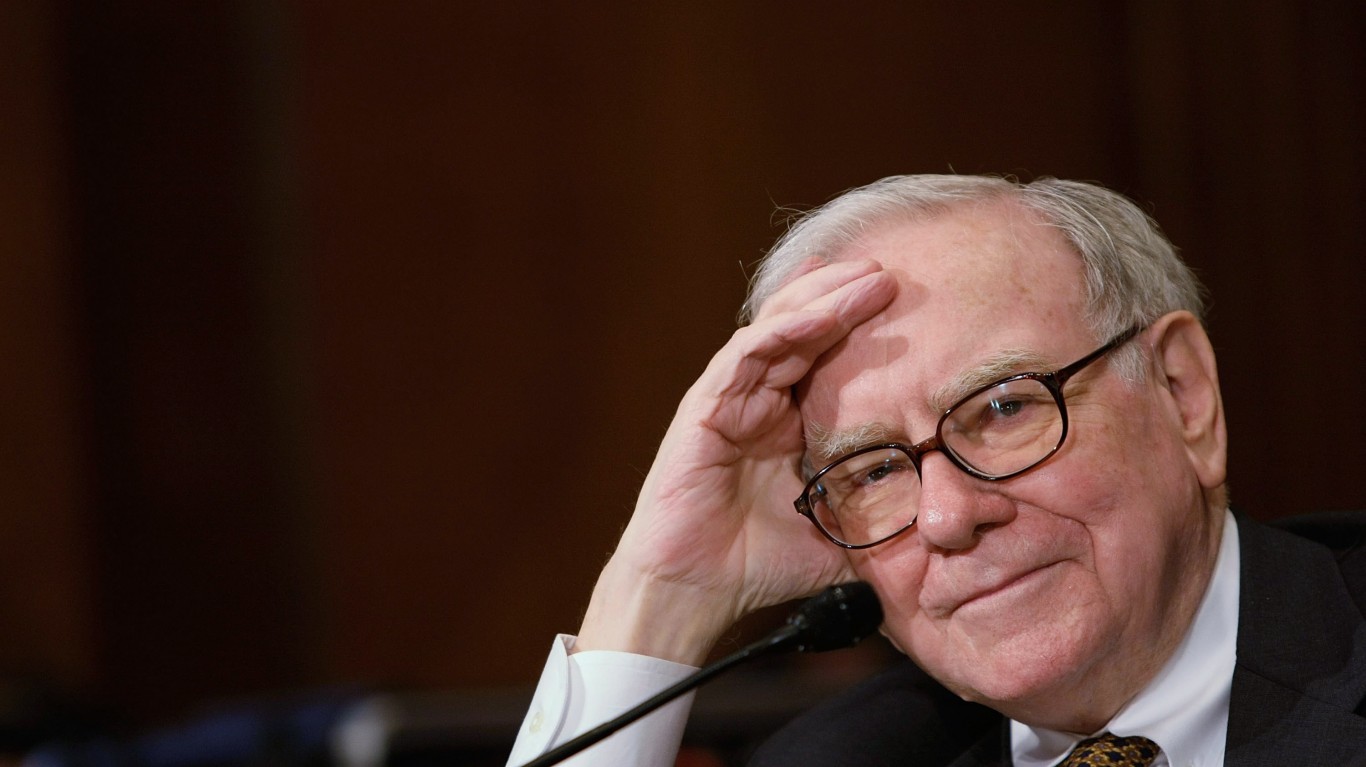
A Buffett Blunder Unravels
In 2015, Warren Buffett, the Oracle of Omaha, teamed up with private equity firm 3G Capital to orchestrate the $46 billion merger of Kraft Foods and H.J. Heinz, creating Kraft Heinz (NYSE:KHC | KHC Price Prediction), a packaged food titan.
Buffett’s vision was to unite iconic brands like Heinz ketchup and Kraft Mac & Cheese under one roof, banking on scale, cost synergies, and brand loyalty to drive profits. But the dream soured fast.
Aggressive cost-cutting by 3G stifled innovation, and shifting consumer tastes toward healthier, fresher foods eroded sales. KHC’s stock has plummeted 60% since the merger, and Berkshire Hathaway (NYSE:BRK-A)(NYSE:BRK-B), which holds a 27.5% stake, slashed its carrying value from $17 billion in 2017 to $8.4 billion last month.
Now, KHC has announced it will split into two companies by mid-2026. Buffett says the breakup won’t fix the core issues, but could either — or both — of these new entities be a buy for investors?
Dividing the Empire
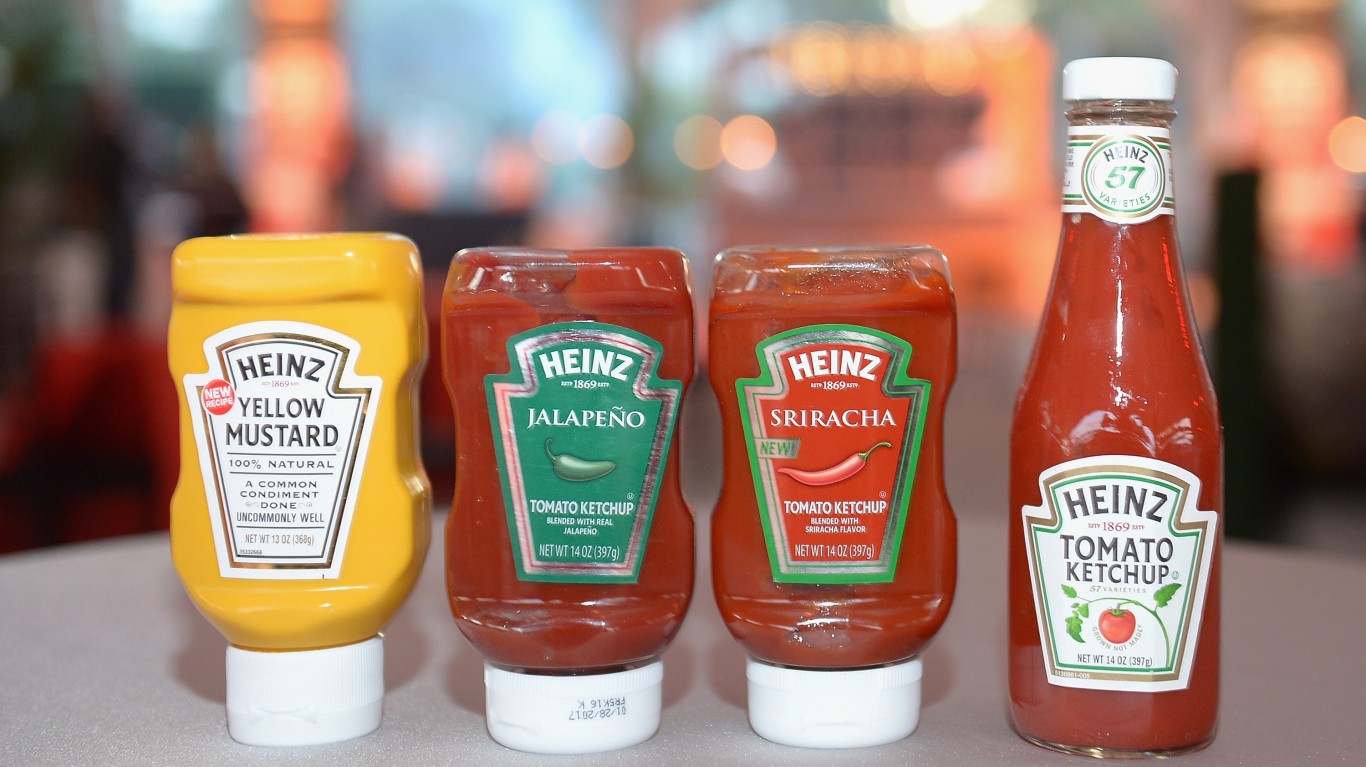
Kraft Heinz’s split will create two publicly traded companies, each with distinct focuses to address their divergent trajectories. The first, tentatively called Global Taste Elevation, will house faster-growing segments: sauces, spreads, and shelf-stable meals, including Heinz ketchup, Philadelphia cream cheese, and Kraft Mac & Cheese.
This entity reported $15.4 billion in 2024 net sales, with 75% from condiments and seasonings, and boasts stronger international appeal, with 20% of sales from emerging markets.
The second company, currently called North American Grocery, will focus on North American staples like Oscar Mayer, Kraft Singles, and Lunchables, with $10.4 billion in 2024 sales. This grocery unit, led by current KHC CEO Carlos Abrams-Rivera, targets slower-growth categories hit hard by changing consumer preferences.
The split is expected to close in the second half of 2026, and aims to unlock value by allowing each business to focus resources and strategies independently.
A Tale of Two Businesses
Global Taste — the sauce-focused company — has brighter prospects. Condiments and shelf-stable meals align better with current consumer trends, particularly in emerging markets where demand for convenient, long-lasting foods is rising.
Heinz’s global brand strength and Philadelphia’s versatility give this entity a competitive edge, though it faces risks from private-label brands and inflation-weary consumers. Its forward P/E ratio, based on KHC’s current 10.9x for 2025 earnings, suggests a discount compared to peers like Mondelez International (NASDAQ:MDLZ) at 20x, indicating potential value.
However, execution risks, including $300 million in “dis-synergies” from the split, could erode short-term gains.
The grocery unit, meanwhile, is a tougher sell. Products like Lunchables and Oscar Mayer are losing ground to healthier alternatives and store brands, exacerbated by weight-loss drugs like Ozempic curbing snack demand.
Its sales have declined for seven straight quarters, and without significant innovation, it risks further erosion. Investors may find the sauce company a cautious buy, but the grocery unit’s outlook remains dim.
Key Takeaway
Buffett’s knack for spotting durable businesses is legendary, but Kraft Heinz proves even he can stumble spectacularly. The 2015 merger, driven by a flawed assumption that scale and cost-cutting could defy shifting consumer tastes, has been a rare flop, costing Berkshire billions.
While Buffett doubts the breakup will solve KHC’s woes, the sauce-focused company offers a glimmer of opportunity due to its alignment with global trends and undervaluation relative to peers.
The grocery unit, however, faces an uphill battle against health-conscious shoppers and generic competitors. Investors should approach the sauce company with cautious optimism but steer clear of the grocery business until it shows signs of a turnaround.
The split may unlock some value, but it’s no panacea for KHC’s deeper challenges.





 Top Gaining Stocks
 Top Losing Stocks