



The smart home security market is undergoing a fundamental shift as AI moves from buzzword to business driver. We analyzed four players to determine who actually benefits from the AI security trend.
The Four Contenders
ADT: The Monitoring Leader
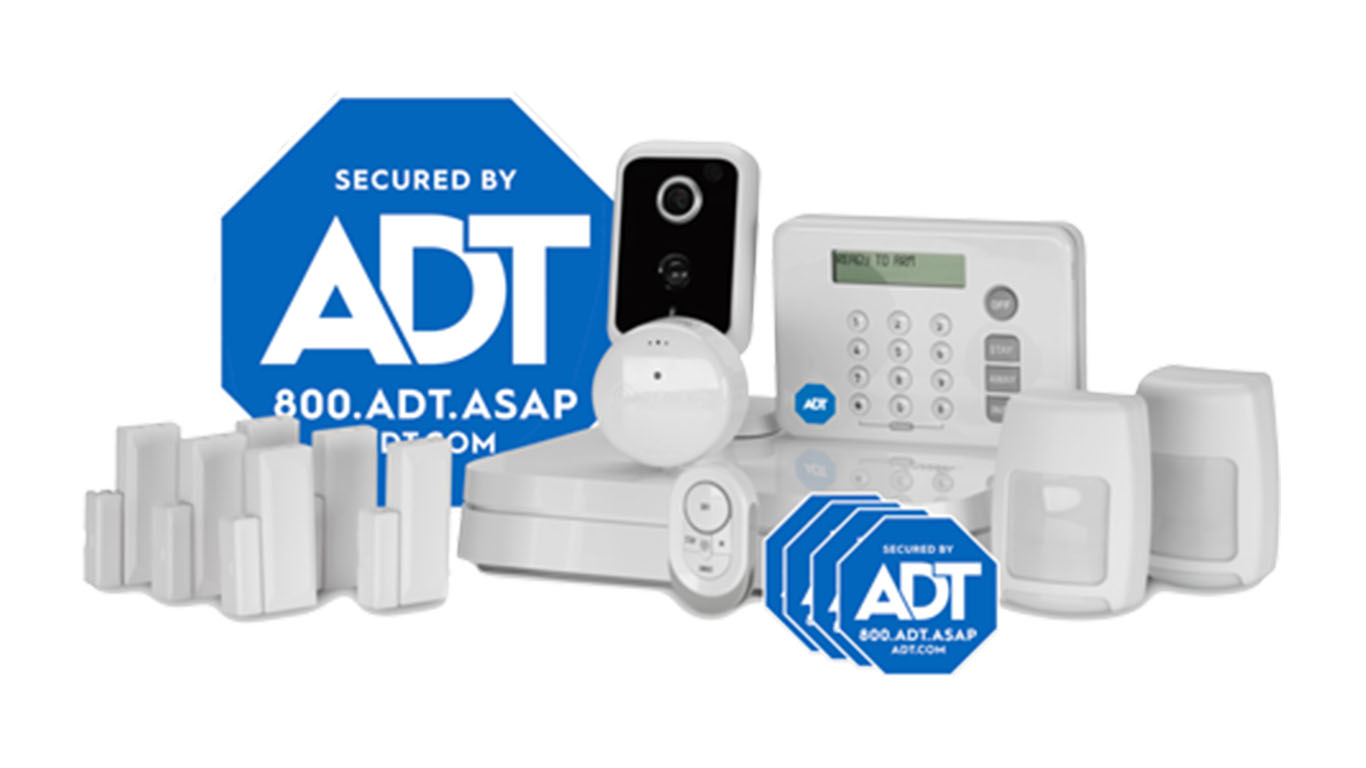
ADT (NYSE:ADT | ADT Price Prediction) operates the traditional model: 6.5 million customers paying monthly fees for 24/7 professional monitoring. The company generates $5.11 billion in annual revenue, with $1.10 billion from recurring monitoring subscriptions. Their strategic bet centers on the ADT+ platform, integrating AI capabilities through a partnership with Google (NASDAQ:GOOG).
Resideo Technologies: The Hardware Play
Resideo Technologies (NYSE:REZI) brings Honeywell Home, First Alert, and Control4 brands to 150 million spaces worldwide. They focus on HVAC controls, smoke detection, and home safety equipment. Revenue reaches $7.44 billion annually, but they sell hardware and controls rather than monitoring services.
Arlo Technologies: The Camera Specialist
Arlo Technologies (NASDAQ:ARLO) takes a pure-play approach to security cameras with Wi-Fi and cellular connectivity. Based in San Jose, they generate $510 million in annual revenue from camera sales and optional cloud storage subscriptions.
Google: The AI Partner
Google enters as both competitor and collaborator. Their Nest product line competes directly in smart home hardware, while their ADT partnership provides AI capabilities to the monitoring leader. This is of course a rounding error for Google’s massive business outside of this zone, but you should look at them as a player getting a foothold in yet another industry, rather than a pureplay like others.
How the Business Models Compare
Revenue stability separates these players. ADT’s monitoring business produces predictable monthly income with 25.7% operating margins. Customers typically stay for years, creating a durable revenue stream that generated $2.66 billion in EBITDA over the past twelve months.
Resideo operates a fundamentally different model. They manufacture and distribute products through retail and contractor channels. While revenue is larger at $7.44 billion, operating margins of 8.42% reflect the lower-margin hardware business. The company reports a profit margin of negative 8.61%, indicating structural challenges.
Arlo faces the toughest economics. Their $510 million in revenue produces just $4.28 million in net income, translating to a 0.84% profit margin. The standalone camera business lacks the recurring revenue that makes monitoring services valuable.
Google’s position is unique. The partnership allows Google to monetize AI technology through ADT’s installed base without bearing the costs of operating a monitoring network.
What Management Is Saying
ADT CEO Jim DeVries emphasized execution in the Q3 2025 call: “ADT again delivered solid revenue growth, robust cash flow, and very strong earnings per share in the third quarter, reflecting the resilience of our business model and our team’s execution of our strategy.”
The company completed a $1 billion refinancing of senior secured notes and bought back $112 million in shares during Q3. These are moves of a mature business optimizing capital structure, not a company betting aggressively on AI disruption.
Analysts remain divided. Morgan Stanley lowered their price target from $9.50 to $9.00, maintaining an equal weight rating. Citigroup raised their target to $10 with a buy rating. The disagreement centers on growth: analysts project 12% earnings growth for ADT in 2026, below the market’s 16% average.
Who Actually Benefits Most
As with many industries, the evidence points to Google as the primary beneficiary. Google gains distribution through ADT’s customer base without operational costs or customer acquisition expenses.
ADT benefits secondarily through improved margins and customer retention. Their 24.7% earnings growth outpaces 4.4% revenue growth, indicating AI helps profitability more than top-line expansion. The company secured a major partnership with D.R. Horton, the nation’s largest homebuilder, to install ADT systems in new homes.
Resideo and Arlo face structural disadvantages. Neither possesses the recurring revenue model that makes AI investment economically viable at scale. Resideo’s negative profitability and Arlo’s razor-thin margins suggest their business models struggle even before accounting for AI development costs.
The Bottom Line
Google captures the most value from AI-enhanced home security through its ADT partnership and Nest products. ADT benefits from operational improvements but faces skepticism about growth acceleration. Traditional hardware players lack the business model to compete effectively in an AI-driven market.













 Top Gaining Stocks
 Top Losing Stocks