



The XRP 2025 performance disappointed despite historic wins. The token is down 13% this year—sliding from $2.09 at the start of the year to $1.88—even after Ripple beat the SEC and XRP ETF inflows topped $1 billion. While XRP’s (CRYPTO: XRP) 2025 performance outperformed Bitcoin (-18%) and Ethereum (-27%), the decline confused investors who expected gains from regulatory clarity and institutional validation.
Why did XRP fall despite major breakthroughs? Three factors explain the disconnect: macro headwinds overwhelming crypto markets, aggressive profit-taking after the $125 million SEC settlement, and stiff competition from faster blockchains. XRP’s 2025 proved regulatory wins don’t guarantee price gains in bear markets—but 2026 could tell a different story.
XRP 2025 Price Performance: From $2.09 to $3.40 Down to $1.88
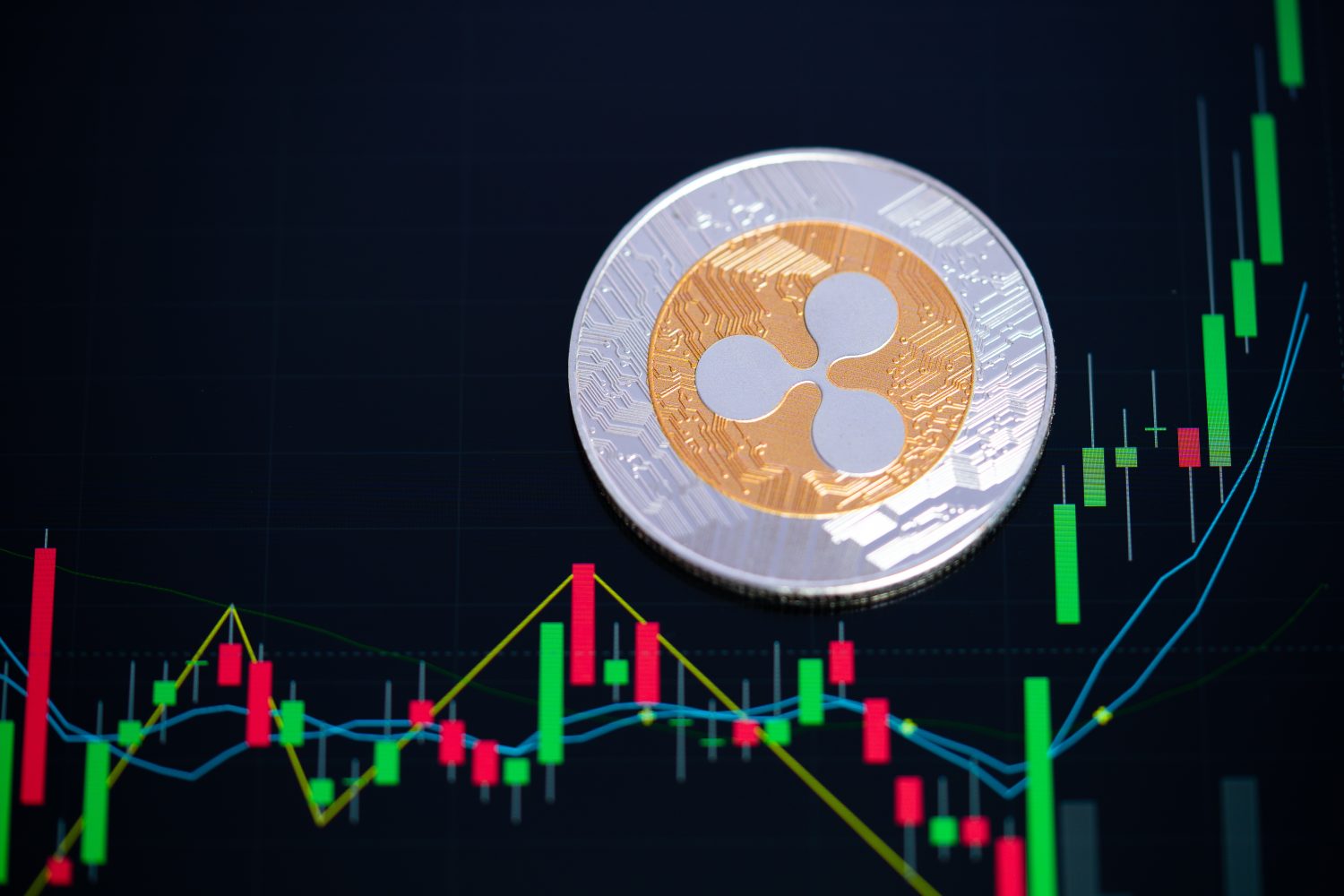
XRP’s 2025 performance trajectory started with sky-high expectations. After ending 2024 around $0.50, pent-up demand and hopes for a U.S. spot XRP ETF approval fueled a massive rally. The token opened at roughly $2.09 in January 2025 and surged more than 60% to a 2025 peak above $3.40 in July—with some intraday prints touching $3.65. By late July, XRP had gained over 580% from its bear-market lows.
But the rally didn’t last. As macroeconomic headwinds grew and traders took profits, the XRP price decline accelerated steadily through autumn. Prices held around $2.15 in September, but the market broke lower when President Donald Trump’s October tariff announcements triggered a broader flight from risk. By late November, the XRP price decline from its July highs reached roughly 40% and the token traded around $2.05. XRP now trades around $1.88, down about 13% in 2025.
While negative returns disappointed investors expecting gains from Ripple’s regulatory clarity and ETF launches, the XRP 2025 performance held up relatively well compared to the broader crypto market. Bitcoin and Ethereum suffered deeper losses as macro conditions deteriorated. XRP’s 13% decline beat both major cryptocurrencies, showing resilience even as fundamental wins failed to produce the expected price appreciation.
Why XRP’s SEC Settlement Failed to Boost Price in 2025

A central narrative in XRP’s 2025 performance was Ripple’s lawsuit with the U.S. Securities and Exchange Commission. In August 2025, the case ended when a federal judge approved a $125 million SEC settlement after both parties dismissed their appeals. The court affirmed that selling XRP on public exchanges does not constitute a securities sale, providing long-sought Ripple regulatory clarity. Many exchanges relisted the token, and bulls expected the price to surge.
The SEC settlement became a classic case of “buy the rumor, sell the news.” Investors who accumulated XRP expecting a favorable ruling took profits once it arrived. New buyers stayed away because macro conditions remained shaky. The SEC settlement resolved regulatory risk while leaving fundamental issues untouched—competition from faster blockchains and slowing network usage remained.
The XRP price decline continued steadily after the court decision as early investors locked in gains and macro headwinds intensified across all risk assets. Understanding why XRP fell despite SEC victory requires recognizing that regulatory clarity alone doesn’t create sustainable demand.
XRP ETF Inflows Hit $1B But Price Stayed Flat—Why?
Another milestone came in November when the SEC approved several spot XRP ETFs. Asset managers, including Canary, Franklin Templeton, Grayscale, and Bitwise, rushed to market.
Canary’s XRP ETF launched November 13 and raised $245 million in its first week. Within four weeks, total XRP ETF inflows topped $1 billion—the fastest ramp-up for a crypto ETF since Ethereum products launched. Custodians withdrew 90 million XRP from exchanges during this period, cutting available supply by 45%. Fewer tokens sat on exchanges waiting to be sold.
Yet XRP price decline continued despite record institutional demand. XRP ETF inflows were offset by heavy selling from early investors and XRP whales who used the increased liquidity to exit positions. About 37% of XRP holders sat at a loss since purchasing the token, and many used brief rallies to reduce exposure. On-chain data showed one wallet that accumulated at $0.40 realized $721 million in gains at the $2.00 level, reinforcing resistance rather than absorbing supply.
XRP ETFs concentrated ownership among institutional custodians but did little to spur adoption of Ripple’s network for cross-border payments. Without new utility driving actual demand for the token, the capital influx from XRP ETF inflows had only a short-lived impact on price. This explains why XRP fell despite SEC victory and institutional validation.
3 Reasons XRP Fell Despite SEC Victory and ETF Inflows

While Ripple enjoyed huge successes in 2025, XRP’s 2025 performance showed the token falling despite outperforming Bitcoin and Ethereum. Three factors explain why major wins didn’t translate to gains and why XRP underperformed crypto market expectations.
Macro Headwinds and Risk Aversion Hit All Crypto
The crypto market in 2025 saw dramatic swings. U.S. tariff announcements in October triggered the largest liquidation in crypto history, wiping out leveraged positions and dragging XRP lower along with Bitcoin and stocks. Rising interest-rate volatility and concerns over an AI bubble led investors to de-risk across all assets.
XRP fell 13% while Bitcoin dropped 18% and Ethereum slid 27%. The entire market suffered, and XRP’s relative outperformance showed the Ripple regulatory clarity and fundamental wins provided some support. But macro conditions were strong enough to overwhelm even positive catalysts like regulatory clarity and ETF launches.
Profit-Taking After SEC Settlement
The legal victory removed uncertainty but also eliminated a key speculative catalyst. Traders who accumulated XRP in 2024 sold aggressively into the summer rally. Ripple insiders continued unlocking tokens from escrow, adding supply to the market. While XRP ETF inflows helped absorb some of this supply, demand couldn’t overcome the wave of selling from investors who had been waiting years for Ripple regulatory clarity.
The psychological shift was clear: once the SEC case was resolved, many holders viewed it as their exit opportunity rather than the beginning of a new bull run. That’s why XRP fell despite the SEC victory—the catalyst had already been priced in during 2024’s 290% rally.
Stiff Competition and Muted Network Growth
Although Ripple’s On-Demand Liquidity service—which uses XRP to settle cross-border payments instantly—continues winning partners, transaction volumes on the XRP Ledger lag behind other smart-contract platforms. Competing networks like Solana and Stellar offer faster settlement and lower fees, attracting developers and payments providers. Global macro challenges limited remittance flows through Ripple’s payment corridors.
Bitcoin maintained institutional interest as digital gold despite its 18% decline. Ethereum’s DeFi ecosystem and staking infrastructure kept institutional capital engaged despite its 27% drop. XRP lacks similar organic demand drivers beyond speculation on regulatory outcomes. Without utility-driven demand, even XRP ETF inflows hitting $1 billion couldn’t sustain price momentum.
Will XRP Recover in 2026? 3 Critical Factors to Watch
XRP’s 2025 performance proved that legal wins and institutional interest don’t guarantee price gains in bear markets. The token’s 13% decline came despite the SEC settlement and attracting $1 billion in XRP ETF inflows.
The XRP 2026 outlook depends on three critical factors. First, can Ripple’s payment network grow fast enough to create real token demand? Transaction volumes need to catch up to competitors like Solana and Stellar.
Second, will XRP ETF inflows accelerate beyond the initial $1 billion surge, or has institutional demand already peaked? Third, can XRP survive another macro shock if the Fed stays hawkish or tariffs escalate? For investors, XRP’s 2025 performance delivered a harsh lesson: regulatory clarity and ETF launches create headlines, but sustained price growth requires actual network usage and expanding utility.
Whether XRP will recover in 2026 depends on execution and whether macro conditions finally turn favorable for risk assets. The XRP 2026 outlook hinges on Ripple converting payment partnerships into measurable on-chain activity that drives genuine token demand.












 Top Gaining Stocks
 Top Losing Stocks