


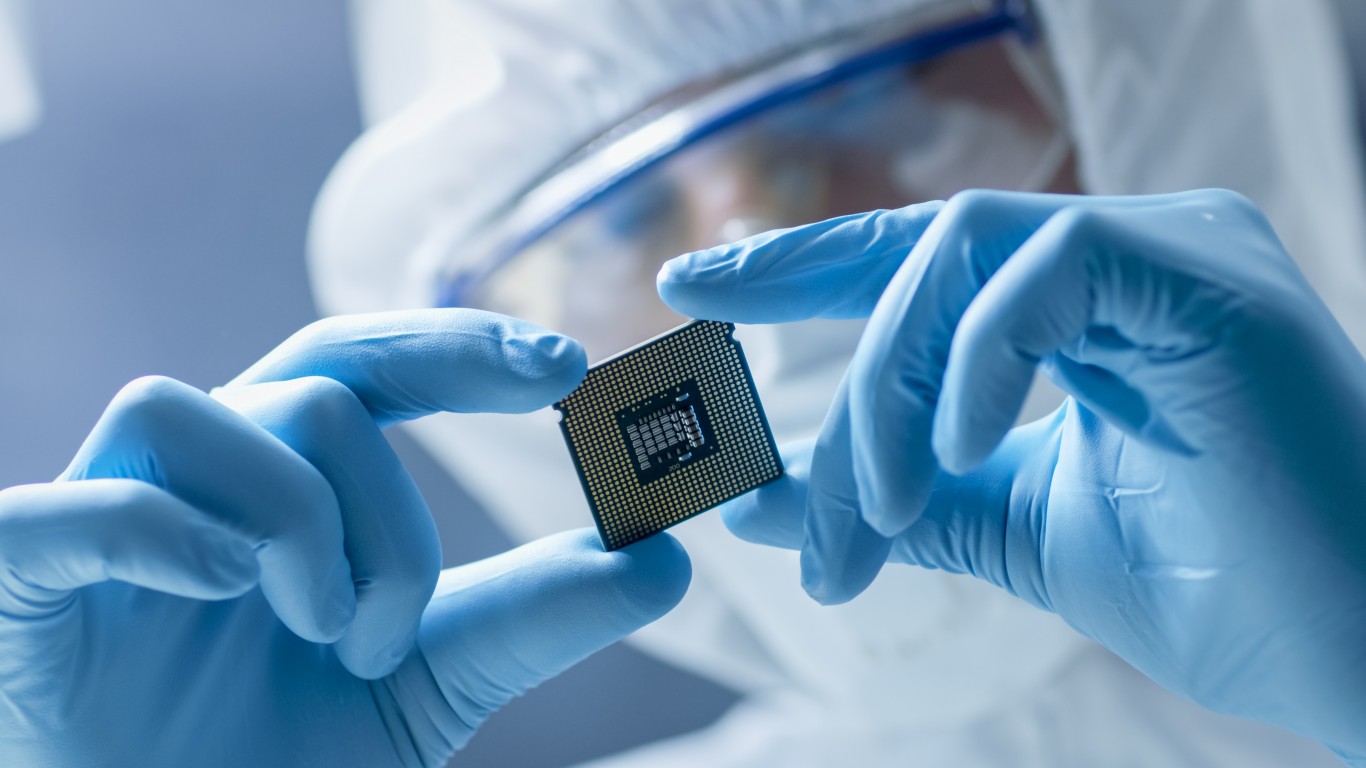
Intel (NASDAQ: INTC | INTC Price Prediction) has experienced a dramatic shift in fortunes over the past year. Once viewed as a failing chipmaker losing ground to competitors like Broadcom (NASDAQ: AVGO), Taiwan Semiconductor Manufacturing (NYSE: TSM), and Nvidia (NASDAQ: NVDA), Intel faced speculation that rivals were circling its foundry business and other assets.
By the middle of the year, however, Intel regained momentum through significant backing from the Trump administration, which converted CHIPS Act grants into an equity stake worth approximately $8.9 billion, or 10% of the company, making the U.S. government its largest shareholder. This was followed by a $5 billion investment from Nvidia, giving it roughly a 4% stake, as well as partnerships aimed at joint product development in data centers and PCs.
These moves indicated renewed confidence, positioning Intel as a key player in U.S. semiconductor manufacturing once again. Yet, a Reuters report today suggests a big potential setback, raising questions about whether Intel’s revival is beginning to falter.
A Promising Rebound Built on Execution
Intel’s recent progress has been notable, driven by strategic investments and a focus on revitalizing its core businesses. The Trump administration’s equity stake provided essential capital and aligned Intel with national priorities for domestic chip production.
Weeks later, Nvidia’s $5 billion commitment further supported Intel’s turnaround, with the two firms agreeing to collaborate on custom x86 CPUs for Nvidia’s AI platforms and integrated system-on-chips for PCs. An Intel spokesperson emphasized that 18A technologies are “progressing well.”
Despite these positive developments, the rebound has always hinged on Intel’s ability to execute, particularly in its foundry business. The 18A process node has been central to its plans for regaining manufacturing leadership, as it is intended to enable high-volume production of advanced chips and attract customers.
Nvidia’s Decision Raises Questions About 18A
According to the Reuters article, Nvidia recently evaluated whether to manufacture its next-generation chips using Intel’s 18A process but halted the testing and stopped moving forward. Two sources familiar with the matter confirmed this to Reuters, though Nvidia declined to comment.
This development comes despite Nvidia’s earlier investment and ongoing product collaborations, which explicitly did not include commitments to use Intel’s foundry. Intel has previously noted strong interest in 18A, and the company continues to highlight progress on the node, with products like Panther Lake and Clearwater Forest ramping up toward production.
The reasons for Nvidia’s decision remain unclear, but earlier reports indicated both Nvidia and Broadcom conducted tests on 18A. While testing is a standard step, not all evaluations lead to production commitments.
If technical or yield issues contributed to the halt, it could signal challenges for Intel in convincing major designers to shift volume from established leaders like Taiwan Semiconductor. Intel’s foundry has faced scrutiny over quality and scalability before, though the company maintains that 18A is on track and sees interest shifting to the subsequent 14A node for even more advanced applications.
Broader Implications for Intel’s Foundry Strategy
Winning high-profile customers has been a key goal for Intel Foundry, which has invested heavily to compete as a contract manufacturer. Deals with Microsoft (NASDAQ:MSFT) and Amazon (NASDAQ:AMZN) for custom chips on 18A have been announced, and Apple (NASDAQ:AAPL) might go with Intel for its entry-level M-series chips in 2027, but volumes from such clients are relatively small compared to demands from AI leaders like Nvidia.
Nvidia halting the testing — while not a definitive rejection — underscores the high bar set for advanced nodes. Competitors continue to dominate high-end production, and Intel must demonstrate reliable yields and performance to secure larger commitments.
Key Takeaway
Investors should not read too much into Nvidia’s decision to pause 18A testing at this stage, as qualification processes are lengthy and multifaceted. However, greater caution is warranted moving forward.
Much of Intel’s turnaround depends on the success of the 18A process in delivering competitive manufacturing capabilities. If the node falls short of expectations in attracting major business from customers, it could complicate the company’s path to foundry profitability and an overall recovery.






 Top Gaining Stocks
 Top Losing Stocks