


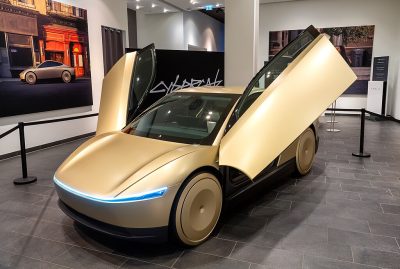
With the big robotaxi boom underway, it’s not hard to imagine that Tesla (NASDAQ:TSLA | TSLA Price Prediction) shareholders are more than willing to pay up a premium price tag to get into the driver’s seat of a company that may very well become one of the leaders in the emerging, lucrative market.
Undoubtedly, there could be fierce competition in the field of autonomous vehicles (AV), but the frontrunners in full self-driving (FSD) may very well be able to build economic moats around their businesses if they’re able to capture a lion’s share of the market earlier on.
Undoubtedly, the Tesla ride-hailing app may very well dethrone the ride-hailing leaders, ultimately disrupting their moats and causing a massive flow of users. from the likes of an Uber (NYSE:UBER). But with Uber teaming up with a wide range of other AV firms with robotaxi ambitions, it’s going to be an interesting race as the market evolves and a new slate of leaders emerges.
Nvidia’s deeper dive into robotaxis is certainly a concern
With Nvidia (NASDAQ:NVDA) recently announcing its intent to directly make a move into the robotaxi market, perhaps Tesla shareholders are a bit more anxious over how things are going to pan out. Perhaps having the technology and production isn’t all it takes to dominate a new market. In any case, it feels like Uber is the other side of the trade when it comes to robotaxis.
It’s the asset-light ride-hailing app that’s leveraging its data advantage and massive user base. If it turns out that customers don’t really care which EV service they use, perhaps it’s not too far-fetched to think that a consolidator, like Uber, might end up walking away as one of the bigger winners once it doesn’t need to pay drivers for its services, acting more as a toll booth on robotaxis than anything else.
With Nvidia’s entry into robotaxis, with plans to break into the space next year, I do think that Tesla has another serious rival on its hands. Nvidia is all about cutting-edge AI platforms. And with the firm reportedly building a fleet of robotaxis, with its own chips, software, and all the sort, perhaps it’s going to be harder to call a winner in the robotaxi race, after all.
Nvidia’s moving fast, and that might be pivotal as robotaxis gradually roll out
Either way, Nvidia is a fierce competitor that I certainly wouldn’t want to bet against, especially given its recent track record of executing well ahead of schedule. With Vera Rubin chips heading into full production many months early, perhaps Nvidia’s tendency to underpromise and overdeliver is undervalued. With Nvidia aiming to 2027 to disrupt the market, I certainly would be a tad nervous if I were a Tesla shareholder, especially since there’s no room for delays.
Not when there’s a fierce rival that’s hungry for a huge share. With Nvidia shooting to “Level 4” robotaxis with its partners, perhaps there’s a sense that Tesla’s slice of the market might be smaller as others look to have their helping.
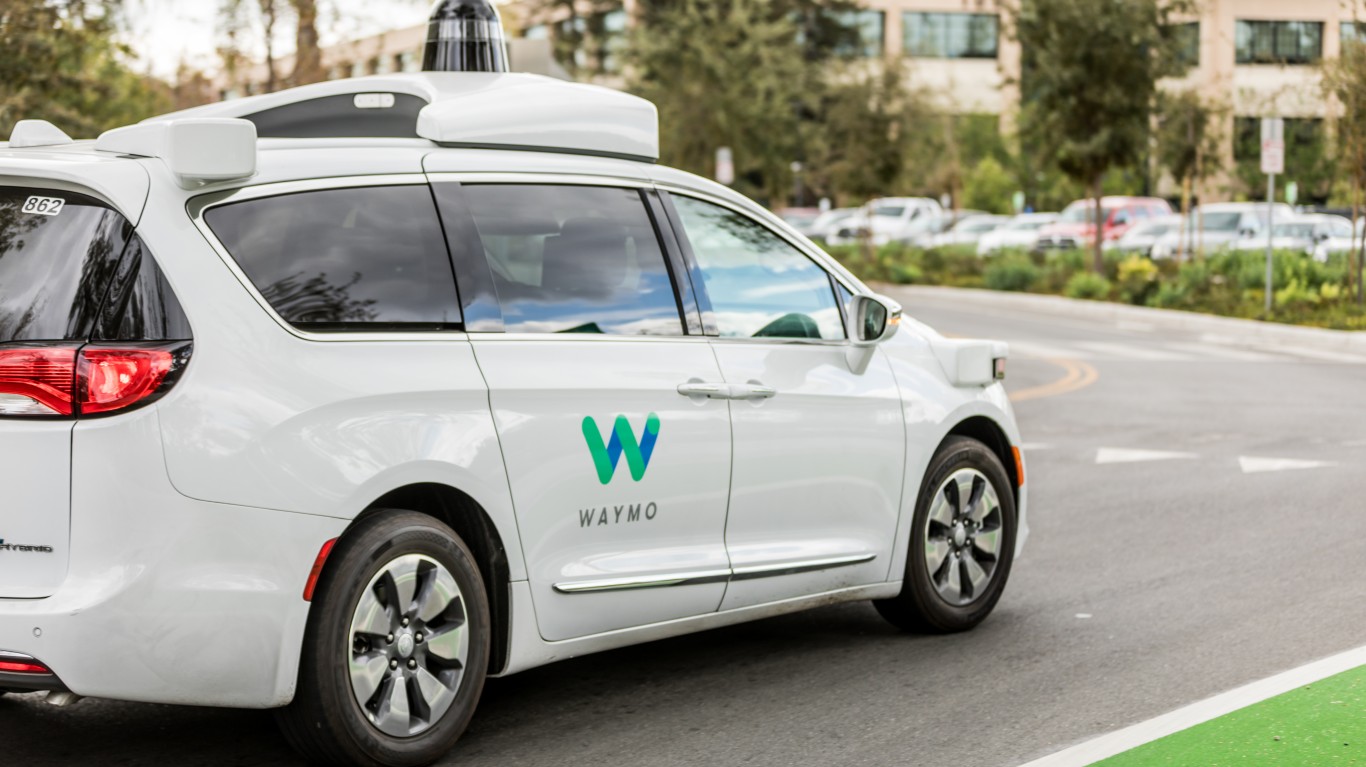
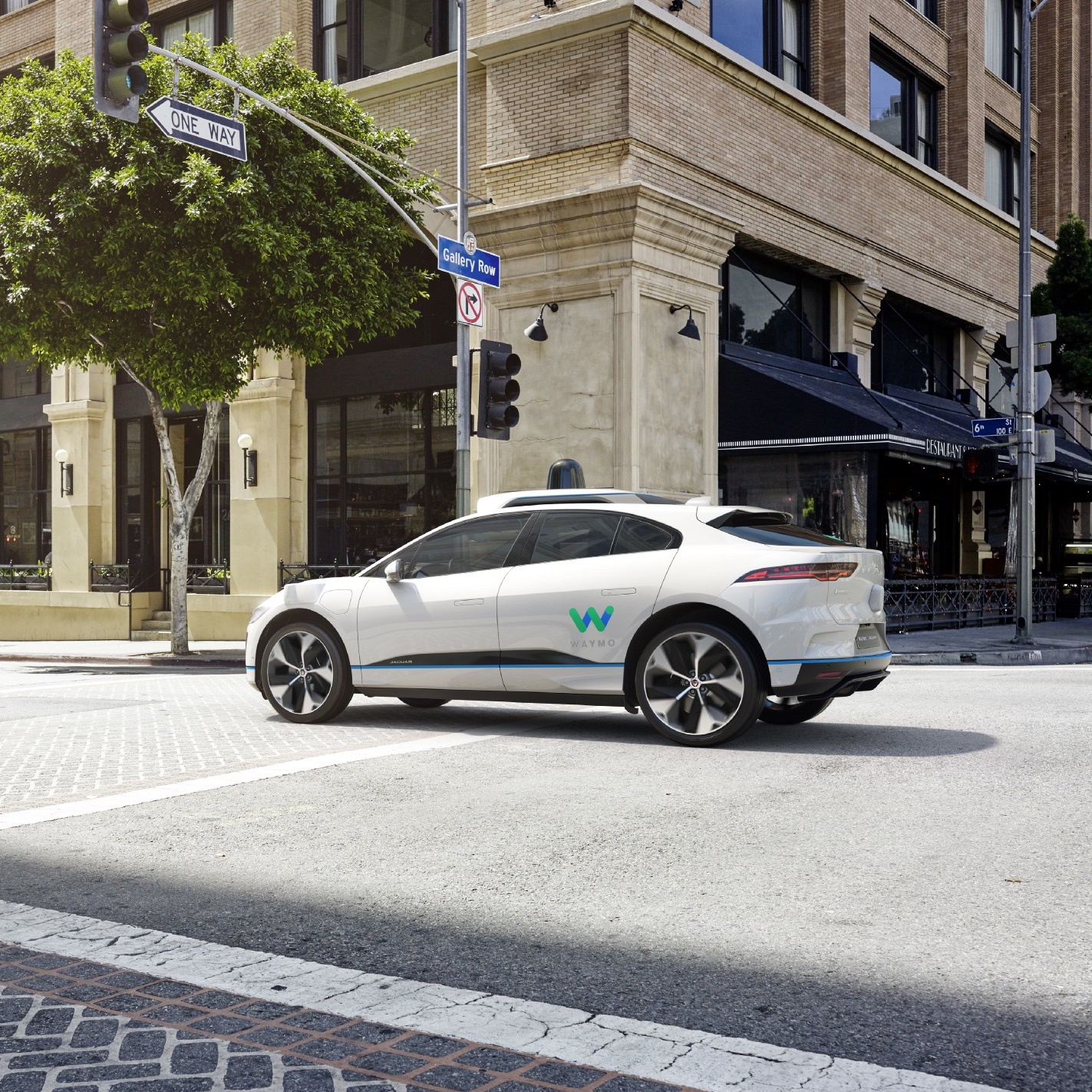
As for Waymo, it’s viewed by many as a leader in robotaxis right now. And with Alphabet (NASDAQ:GOOGL) likely seen as a leader in AI all around, with fully driverless vehicles in a growing number of cities, as well as its Uber partnership, it feels like Waymo has the tech down as well as the leading distribution channel. Of course, Tesla could always pivot and team up with Uber (I think that’s the likeliest path forward).
But, in any case, there are growing concerns as Waymo and Nvidia look to hit the gas pedal to accelerate into a robotaxi market that might be getting tougher over time to compete in. It’s not just the two largest companies in the world that Tesla will need to clash with, but a slew of other up-and-comers that could leverage Uber for distribution.







 Top Gaining Stocks
 Top Losing Stocks