


The VanEck Pharmaceutical ETF (NYSEARCA:PPH) has surged 26% over the past year, driven almost entirely by the weight-loss drug revolution. The fund’s concentrated bet on GLP-1 manufacturers makes this a call option on the market’s continued growth. Eli Lilly (NYSE:LLY | LLY Price Prediction) and Novo Nordisk (NYSE:NVO) combined represented nearly one-third of the ETF. If you believe the analyst estimates that GLP-1 market will exceed $150 billion by the early 2030s, this is where you want to be invested.
But now investors are wondering if momentum can continue as competition intensifies, and pricing pressure mounts.
The GLP-1 Market: From Breakthrough to Battleground
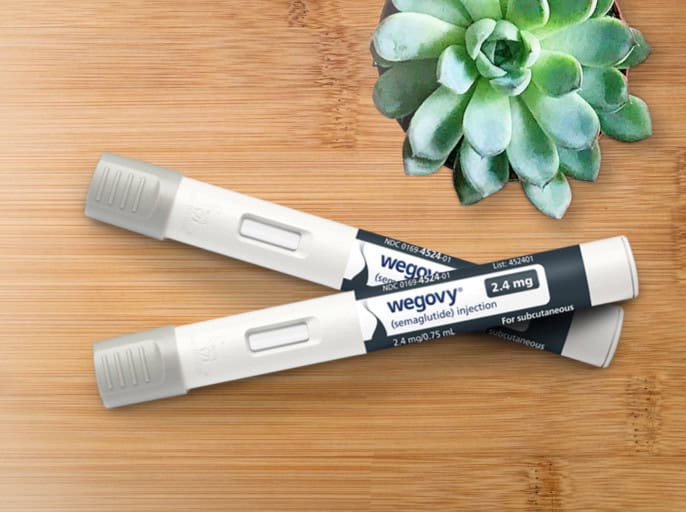
The largest factor affecting PPH’s trajectory is the sustainability of GLP-1 demand and pricing power. Novo Nordisk’s recent approval of oral Wegovy has intensified competition with Eli Lilly’s Mounjaro and Zepbound, creating a race for market share in both injectable and pill formats. Both companies have experienced explosive earnings growth as GLP-1 adoption accelerated, with Lilly’s results reflecting strong Mounjaro uptake and Novo benefiting from Wegovy’s expansion. However, the pace of growth is moderating as the market matures, shifting from breakthrough adoption to steady expansion.
During the next earnings call for both Eli Lilly and Novo, listen for commentary on prescription volume trends, insurance coverage expansion, and manufacturing capacity. Any signs of demand normalization or pricing pressure will disproportionately affect PPH given its concentration. The issuer’s quarterly fact sheets and holdings updates, available on VanEck’s website, provide transparency on portfolio adjustments as the GLP-1 landscape evolves.
Patent Cliffs and Portfolio Concentration Risk
PPH’s concentrated structure creates asymmetric risk. When Merck (NYSE:MRK), the fund’s third-largest holding at 9%, delivers consistent earnings beats, the entire portfolio benefits. But that same concentration means patent cliffs at companies like Pfizer (NYSE:PFE) could disproportionately impact returns, even though Pfizer represents just 5% of assets. The fund rebalances regularly, yet the core thesis remains tied to a handful of pharmaceutical giants navigating both growth opportunities and patent expirations.
Investors should review VanEck’s monthly holdings files to track shifts in allocation, particularly if GLP-1 stocks continue to outperform and drive even greater concentration. Over the next 12 months, watch GLP-1 demand trends and how PPH rebalances around patent risks.












 Top Gaining Stocks
 Top Losing Stocks