



Eli Lilly and Company (NYSE:LLY | LLY Price Prediction) and Novo Nordisk A/S (NYSE:NVO) reported quarterly results in early February, and the gap between them has widened significantly. Lilly’s tirzepatide franchise is accelerating. Novo is cutting jobs, warning of a sales decline, and leaning on a newly launched pill to stabilize its position.
Tirzepatide Pulls Away. Semaglutide Faces the Squeeze.
Lilly’s fourth quarter revenue reached $19.29 billion, up 42.6% year-over-year, powered almost entirely by two products. Mounjaro generated $7.41 billion, up 110%, while Zepbound added $4.26 billion, up 123%.
That growth came despite a realized price headwind: volume expanded 46% while prices slipped. Tirzepatide’s dual GIP/GLP-1 mechanism delivers roughly 20% body weight reduction in trials, compared to approximately 14% for Novo’s Wegovy.
Novo’s picture was the inverse. Q4 revenue declined 7.6% year-over-year, with U.S. operations falling 15%. Full-year sales in DKK grew 6.43%, but operating income slipped 0.53% as costs tightened.
CEO Mike Doustdar acknowledged the difficulty directly: “In 2026, Novo Nordisk will face pricing headwinds in an increasingly competitive market.” Novo cut roughly 9,000 jobs and absorbed approximately $8 billion in one-off charges during 2025.
| Business Driver | Eli Lilly | Novo Nordisk |
|---|---|---|
| Q4 Revenue Growth | +42.6% YoY | -7.6% YoY |
| Lead Obesity Drug | Zepbound (tirzepatide) | Wegovy (semaglutide) |
| 2026 Revenue Guidance | $80B–$83B | -5% to -13% at CER |
| Oral GLP-1 Status | Orforglipron in regulatory review | Wegovy pill already launched |

One Bets on the Pipeline. One Bets on the Pill.
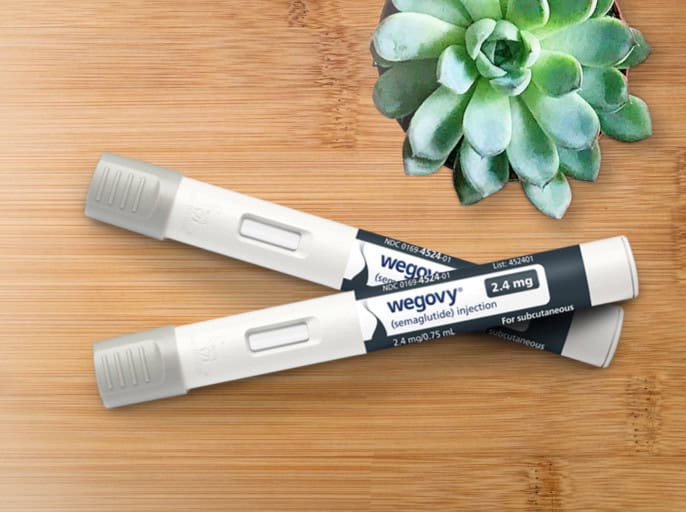
Novo moved first on the oral front. The Wegovy pill launched in January 2026 across 70,000-plus pharmacies and is generating roughly 50,000 weekly prescriptions. Doustdar called early uptake “very encouraging,” and the $149 per month starter dose has drawn patients who were never on the injectable version.
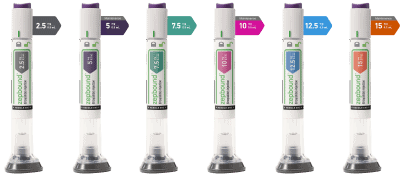
Lilly’s oral candidate orforglipron is submitted for approval in the U.S., Japan, and EU. Phase 3 data showed it outperformed oral semaglutide in a head-to-head trial. Retatrutide, a triple agonist, showed weight loss of up to 71.2 lbs in Phase 3.
Lilly is also building manufacturing at scale: new facilities in Alabama, Pennsylvania, and Europe, with commitments to exceed $50 billion in U.S. manufacturing investment since 2020.
Novo faces structural pricing pressure from its Most Favoured Nations agreement with the U.S. administration and semaglutide patent expiry in select international markets. Its diabetes value market share declined 3.6 percentage points to 30.1%. The company still generates enormous cash flow, but the direction is concerning.
| Lens | Eli Lilly | Novo Nordisk |
|---|---|---|
| Core Bet | Tirzepatide volume + orforglipron launch | Oral Wegovy uptake + CagriSema |
| Key Vulnerability | Revenue concentration in two drugs | MFN pricing + patent erosion |
| Market Cap | ~$853B | ~$168B |
| Forward P/E | 27x | 11x |
Orforglipron Approval Will Set the Tone for 2026
If Lilly receives orforglipron approval in the U.S. by mid-2026, it enters the oral market with a product that has already beaten oral semaglutide in a head-to-head trial. That would put Novo’s pill under immediate competitive pressure as it builds prescription momentum.
For Novo, the question is whether CagriSema, submitted to the FDA for weight management, can deliver differentiated efficacy data. Watch whether Medicare coverage for obesity drugs opens up, which could add roughly 15 million eligible patients to the market and partially offset pricing headwinds for both companies.
Why Lilly Leads Despite Premium Valuation
Lilly trades at a 27x forward P/E versus Novo’s 11x. That gap is real. But Lilly’s one-year price gain of 27.65% reflects a business executing at a high level, while Novo’s 39.85% one-year decline reflects genuine structural concern. Pricing pressure and patent dynamics are structural headwinds with multi-year implications.
Novo at 11x forward earnings could appeal to value investors willing to wait for CagriSema data or a Medicare coverage catalyst. The dividend yield of 4.88% provides cushion while you wait. For growth investors, Lilly’s pipeline depth, manufacturing buildout, and guidance reflect a business executing at a higher level in this race.








 Top Gaining Stocks
 Top Losing Stocks