


Tesla (NASDAQ:TSLA | TSLA Price Prediction) and Ford (NYSE:F) closed 2025 with results that crystallize their diverging futures. Tesla reported fourth quarter earnings leaning into autonomy and AI while Ford showed a massive EV write-down but its commercial truck business posted its best numbers in years.
Robotaxis and Regulatory Credits vs. Super Duty and Software Subscriptions
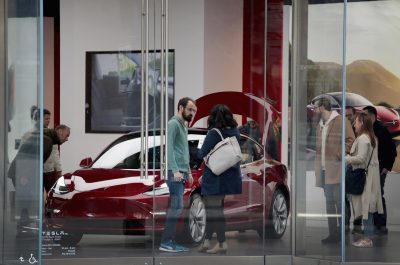
Tesla’s automotive story is complicated. Vehicle deliveries fell 16% year-over-year to 418,227 units in Q4, and full-year revenue declined 2.93% to $94.827 billion.
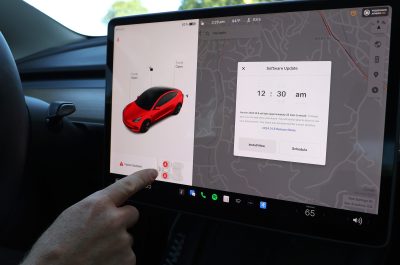
Margin recovery and non-automotive growth saved the quarter. The Energy Generation and Storage segment grew 25% year-over-year with record Q4 deployments of 14.2 GWh, while Services and Other rose 18% year-over-year. Automotive gross margin climbed to 20.4%, or 17.9% excluding regulatory credits. Full Self Driving subscriptions reached nearly 1,100,000 globally, with Tesla transitioning to subscription-only this quarter.
Ford’s headline looked awful. A GAAP net loss of $11.10 billion in Q4 driven by $10.70 billion in Model e asset impairments and EV program cancellations dominated coverage. The underlying business delivered on multiple fronts.
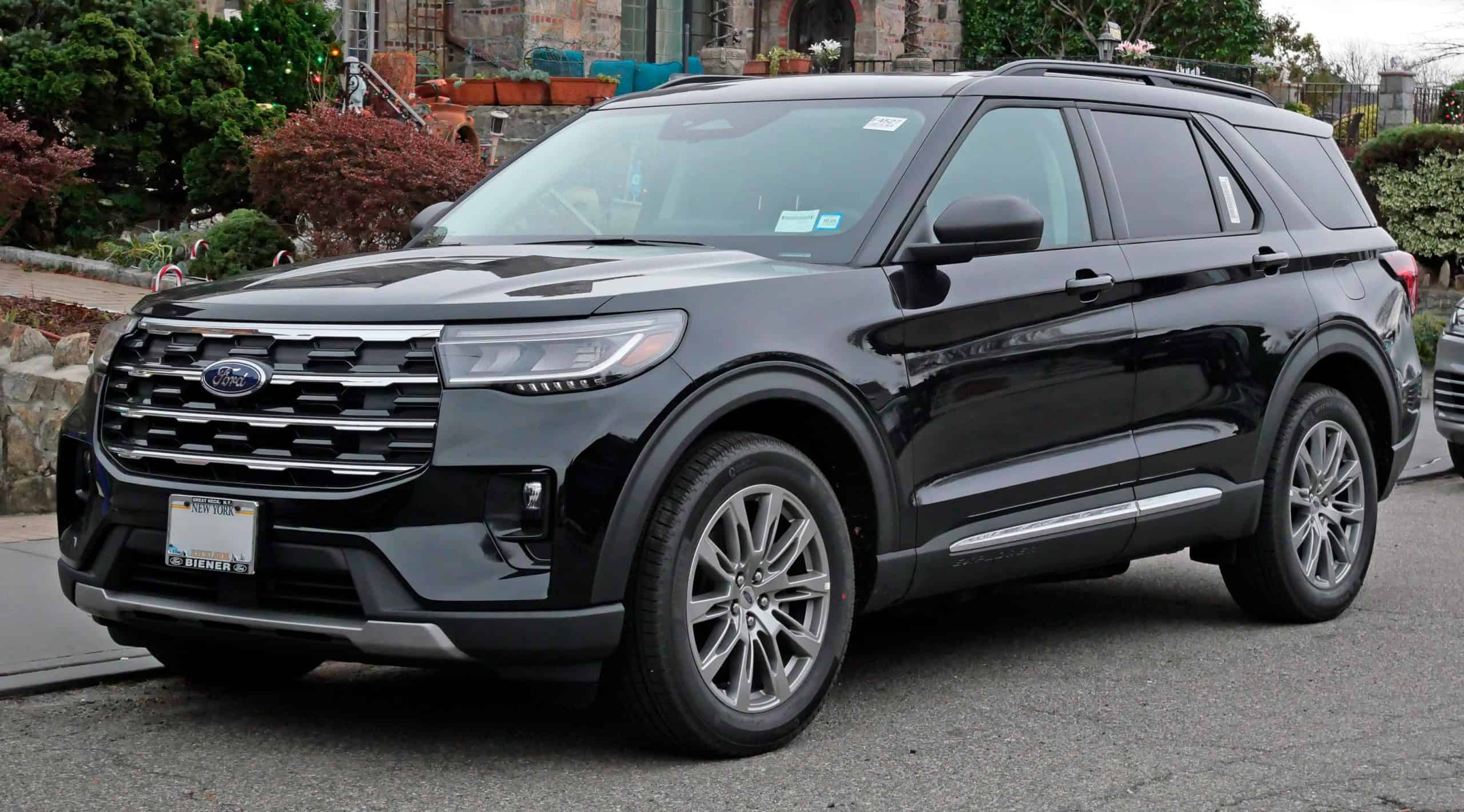
Super Duty pickups had their best volume year since 2004, up 10%. Ford Pro paid software subscriptions grew 30% in 2025. Ford Credit full-year earnings before taxes rose 55% year-over-year to $2.6 billion.
| Business Driver | Tesla (Q4 2025) | Ford (Q4 2025) |
|---|---|---|
| Core Revenue Growth | Energy storage (+25% YoY), FSD subscriptions (+38% YoY) | Ford Pro software (+30%), Super Duty trucks (best since 2004) |
| Biggest Drag | Vehicle deliveries (-16% YoY) | Model e losses ($4.81B full-year EBIT loss) |
| Gross Margin | 20.1% (up 386 bps YoY) | $12.801B gross profit (-17.44% YoY) |
| Cash Position | $44.059B (+173% YoY) | $23.356B (+11.94% YoY) |
One Is Building a Chip Fab. The Other Is Building Margin to 8%.
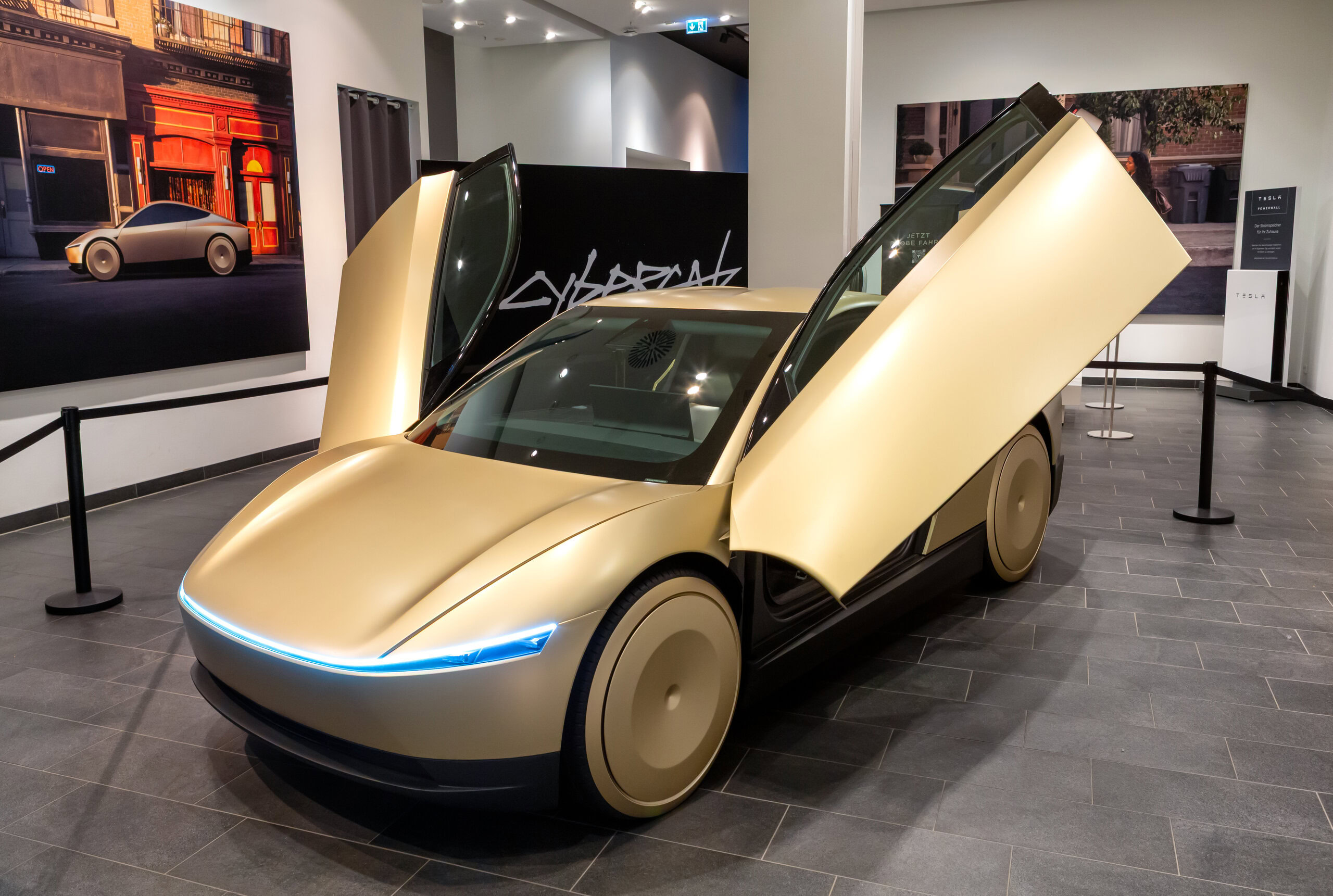
The strategic gap has never been wider. Tesla is spending heavily on infrastructure that does not yet generate revenue. CapEx guidance for 2026 exceeds $20 billion, funding six simultaneous factory ramps including CyberCab, Tesla Semi, Optimus, and AI compute.
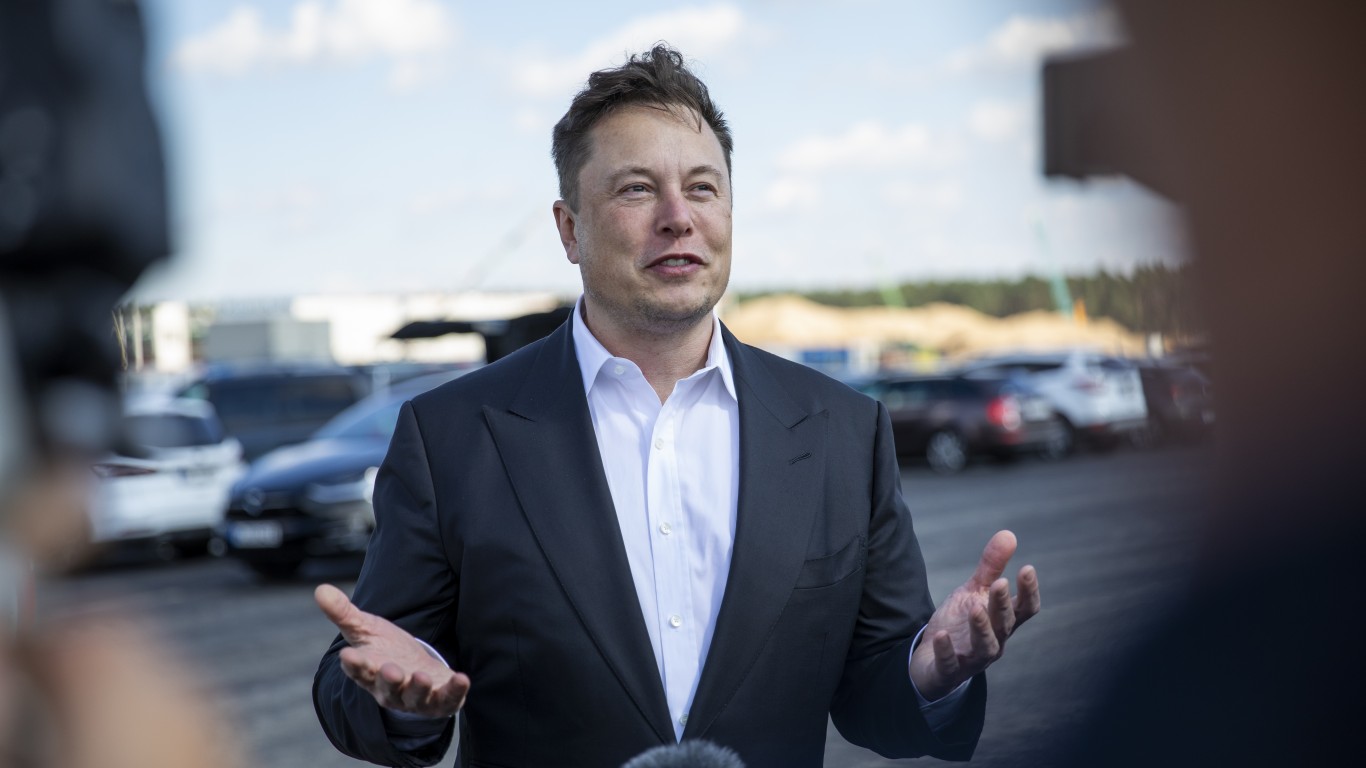
Musk described a domestic semiconductor fabrication facility called TeraFab, noting “currently, there are no advanced memory fabs at scale in the United States. There are zero, literally zero.”. The AI5 chip design is, per Musk, “arguably the number one most critical thing to get done.”
Ford moves in the opposite direction. The company wrote off its old EV ambitions, guided for 2026 adjusted EBIT of $8 billion to $10 billion, and set a long-term target of 8% adjusted EBIT margin by 2029.
Ford Pro is the engine: Ford Pro EBIT guidance for 2026 sits at $6.5 billion to $7.5 billion. The Model e segment will still lose $4 billion to $4.5 billion in 2026, but Ford treats that as a managed wind-down rather than a growth bet.
| Strategic Lens | Tesla | Ford |
|---|---|---|
| Core Bet | Autonomous robotaxi fleet + Optimus robotics + AI chips | Commercial trucks, hybrid pickups, Pro software subscriptions |
| 2026 CapEx | $20B+ (AI, factories, compute) | $9.5B to $10.5B (including $1.5B Ford Energy) |
| Key Vulnerability | Delivery volume decline, regulatory approval timelines | Model e losses, tariff exposure, large-vehicle dependence |
| Valuation | P/E of 324x | No P/E (net loss year) |
Robotaxi Approval and Margin Recovery Will Decide Both Stories
Tesla’s robotaxi regulatory progress is critical. Prediction markets currently assign only 10.5% probability to a California robotaxi launch by June 30, 2026.
Musk said Tesla expects “fully autonomous vehicles in probably somewhere between a quarter and half of the United States by the end of the year, pending regulatory approval.”. That caveat carries enormous weight. Optimus production at scale before year-end is uncertain: prediction markets put the probability at just 20.5% by December 31, 2026.
For Ford, the test is simpler. Farley’s 8% margin target by 2029 requires Ford Pro to keep growing software revenue while Blue holds its hybrid ground. Watch whether tariff exposure disrupts the truck supply chain, since Ford explicitly flagged protectionist trade policies as a key risk.
Analyst consensus on Ford targets $14.09 with 15.68% upside from current levels, far more grounded than Tesla’s analyst target of $416.15 against a current price of $343.25.
Why Ford Looks More Honest Right Now
Tesla’s vision is exciting, and the energy business is becoming a real second act. But the stock trades at a P/E of 324x while deliveries fall and robotaxi timelines depend on regulators in dozens of jurisdictions.
The stock is down 23.67% year-to-date and 21.9% since the earnings filing date. Insider activity shows net selling across 31 recent transactions. That is substantial execution risk priced at a premium.
Ford is a restructuring story with a clear scorecard: margin targets, truck volume, and software subscription growth. Insider activity at Ford shows net buying across 167 recent transactions, a meaningful contrast.
For investors wanting a defined path and real assets, Ford fits better. Tesla fits if you believe robotaxi and Optimus timelines are real and regulatory friction clears faster than markets expect.









 Top Gaining Stocks
 Top Losing Stocks