


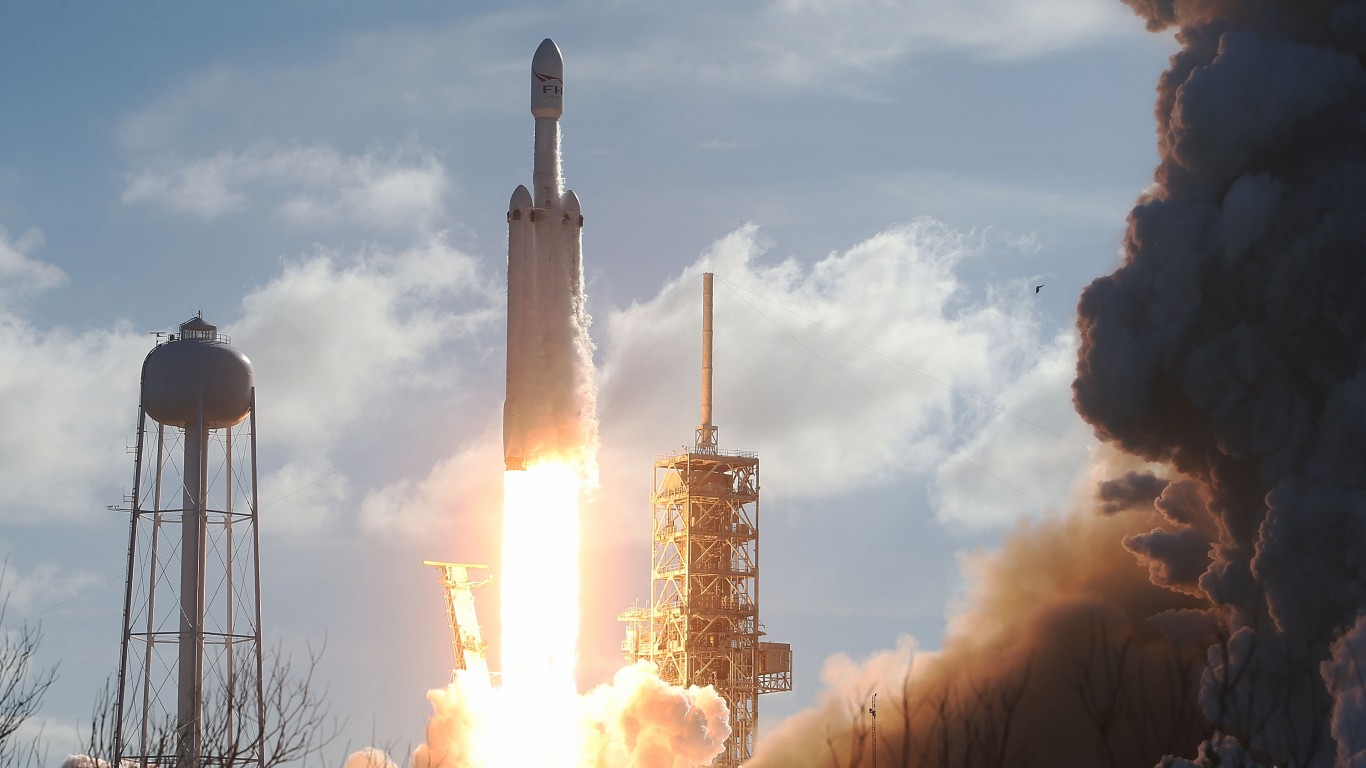
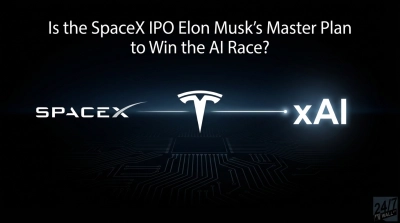
SpaceX is exploring a potential merger with Tesla (NASDAQ:TSLA | TSLA Price Prediction) or xAI as it prepares for an initial public offering targeted for mid-June 2026, according to reports from Bloomberg and Reuters. The IPO could raise up to $50 billion and value SpaceX at about $1.5 trillion, surpassing Saudi Aramco‘s 2019 listing as the largest ever.
Discussions remain preliminary, with no final decisions, and involve exchanging xAI shares for SpaceX stock or combining with Tesla. Betting markets like Polymarket estimates a 48% chance of a SpaceX-xAI merger by mid-year and a 15% likelihood for Tesla-SpaceX (also, a separate Tesla-xAI tie-up has odds of 16%).
But what would the benefits be of a merger before the IPO — and, more importantly, will Musk actually do it?
Consolidating Musk’s Tech Empire
SpaceX’s merger considerations stem from efforts to integrate Elon Musk’s companies more closely. Bloomberg reports that SpaceX has discussed the feasibility of a tie-up with Tesla, pushed by some investors, while separately exploring a combination with xAI.
Two Nevada entities with “merger sub” in their names were formed on January 21, 2026, listing SpaceX CFO Bret Johnsen as an officer. Reuters notes the xAI merger talks aim to bring Musk’s rockets, Starlink satellites, X platform, and Grok chatbot under one roof. This aligns with Musk’s history of linking ventures, as seen in existing investments: SpaceX and Tesla together put $2 billion into xAI, covering over half its spending in the first nine months of 2025.
Analysts point to a strategic alignment as the main driver. Morningstar suggests the talks signal Musk may consolidate his firms into a single conglomerate, given his major stakes in all three, while TLDR reports investors see a merger attracting interest from infrastructure funds and Middle Eastern sovereign wealth funds, potentially requiring large financing. The move, though, could streamline operations across Musk’s portfolio, especially as SpaceX eyes orbital data centers for AI.
Unlocking Synergies in a Tie-Up
A merger could yield operational and technological advantages. Bloomberg details how Tesla’s energy storage expertise, like Powerwall systems, could support SpaceX’s solar-powered orbital data centers. Musk has discussed using Starship rockets to transport Tesla’s Optimus robots to the Moon and Mars, according to The Guardian.
Others outline cross-pollination opportunities, with Optimus assembling Starships or enabling Mars habitats, while Starlink could boost connectivity for Tesla’s Robotaxi and Full Self-Driving updates. This integration might create new revenue streams, with SpaceX revenue projected at $22 billion to $24 billion in 2026, complementing Tesla’s growth.
Financially, a deal could enhance fundraising, as it might draw sizable investor interest, easing capital access for ambitious projects. Others argue a pre-IPO merger resolves governance conflicts, providing Tesla shareholders exposure to SpaceX without separate risks. It could also supercharge AI-driven growth by combining resources and boosting Musk’s control in a unified entity.
Doesn’t a Merger Make an IPO Redundant?
If a merger occurs, the need for a standalone SpaceX IPO becomes unclear. Bloomberg states any tie-up could question the June IPO timeline. Reuters confirms the IPO aims to fund expansions like Starship and Starlink, but a Tesla merger might achieve liquidity via stock issuance without a separate listing. A reverse merger into Tesla could make SpaceX public indirectly, diluting Tesla by issuing new shares to SpaceX holders.
However, an IPO provides direct capital for SpaceX’s goals, like AI data centers, and it frees Tesla from funding Musk’s ventures, potentially enabling stock buybacks. Without a merger, the IPO rewards SpaceX investors with liquidity while keeping entities focused, avoiding integration hurdles.
The Risks Might Outweigh the Benefits
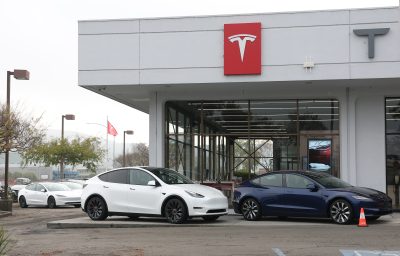
Mergers also carry significant challenges. First, a SpaceX-Tesla deal seems unlikely as antitrust scrutiny is a major concern. The combined $2.6 trillion entity would dominate electric vehicles, energy, space, and telecom, inviting FTC and DOJ reviews. Musk could also see his control of the companies diluted if shareholders demand input on AI projects, and Tesla could face significant dilution, causing volatility despite the potential for a major stock rally.
Operational distractions are another issue. While Tesla is already transitioning away from its luxury EV business, a merger could divert the resources it is committing to robotics. A merger might distract management’s focus amid Tesla’s recent earnings challenges, too. There are also national security implications from SpaceX’s government contracts.
Key Takeaway
A merger appears unlikely in the near term given the preliminary nature of the talks. If it does move forward, Tesla’s stock would likely be a buy short-term due to hype-driven rallies, but longer term it would be a hold considering the dilution potential, regulatory risks, and distractions it might cause.






 Top Gaining Stocks
 Top Losing Stocks