


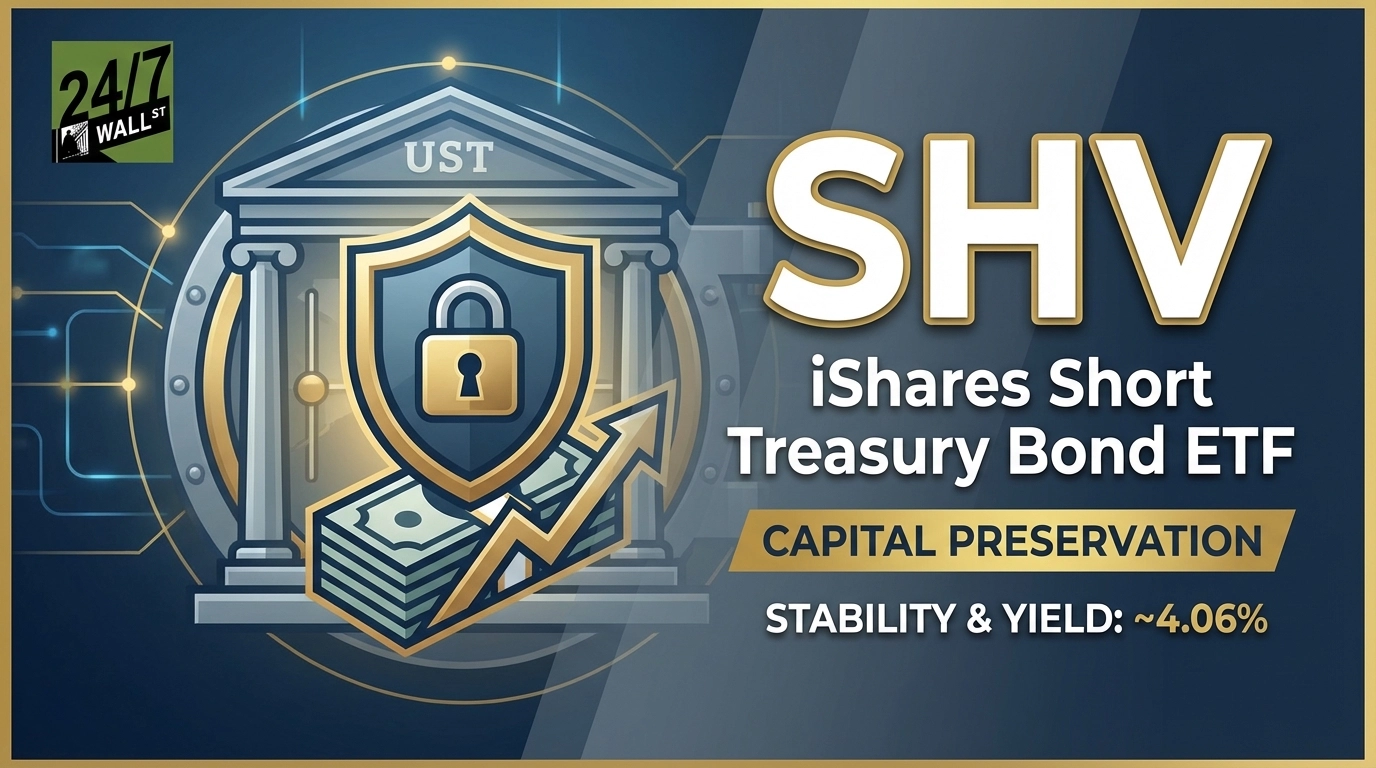
When the stock market lurches and bond yields spike, where does your cash belong? That question has driven $13 billion into safe-haven ETFs in recent months, with short-term Treasury funds like the iShares Short Treasury Bond ETF (NYSEARCA:SHV | SHV Price Prediction) emerging as a preferred parking spot. But calling SHV a cash alternative oversimplifies what it delivers.
The Role It’s Built to Fill
SHV solves a specific problem: you need somewhere stable to hold cash while earning more than a savings account, without meaningful interest rate risk. The fund invests exclusively in U.S. Treasury securities with remaining maturities under one year. That ultra-short duration means if rates move, your principal barely flinches.
The return engine is straightforward. You earn the prevailing yield on short-term government debt, currently around 4.06% based on recent distributions, minus a 0.15% expense ratio. There’s no equity upside, credit risk, or derivatives—just the Treasury yield.
As we noted in our Daily Profit newsletter this morning, market volatility from tech sector shifts has investors seeking stable alternatives like short-term Treasuries. This makes SHV useful for specific situations: holding proceeds from a stock sale before redeploying capital, building a cash cushion during uncertain markets, or parking funds you’ll need within months. It’s not designed to build wealth or generate meaningful income over long periods. It’s designed to preserve capital while capturing whatever short-term rates offer.
Performance in Context
Over the past year, SHV delivered exactly what it promises: a 4.13% gain that reflects the current rate environment. This return came entirely from capturing short-term Treasury yields, demonstrating why investors use it as a cash alternative rather than a growth vehicle. The fund prioritized capital preservation over appreciation—accepting lower returns in exchange for stability when capital protection matters most.
The five-year view reinforces this positioning. SHV’s cumulative 16.4% return came entirely from yield capture, not price appreciation, delivering predictable returns that track whatever short-term rates offer. This fund exists for capital you need protected, not capital you’re trying to grow—and that distinction matters when deciding where your cash belongs.
What You’re Giving Up
The primary tradeoff is opportunity cost. Every dollar in SHV earns Treasury bill rates while stocks, longer-duration bonds, or other assets potentially deliver higher returns. That’s fine if you need liquidity or stability, but problematic if you’re using SHV as a long-term allocation out of fear.
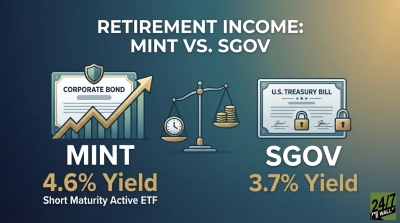
You also face competition from alternatives like iShares 0-3 Month Treasury Bond ETF (NASDAQ:SGOV), which some investors prefer for slightly lower fees and comparable exposure. While SHV’s $20 billion in assets ensures liquidity, the fund’s role is inherently limited. It won’t hedge against inflation, won’t participate in equity rallies, and won’t generate meaningful income if rates fall.
SHV works best as a short-term holding for capital you can’t afford to lose, not as a permanent portfolio fixture hoping to avoid volatility.










 Top Gaining Stocks
 Top Losing Stocks