



On March 2, 2026, as news broke of U.S. and Israeli strikes on Iranian nuclear and military sites during Operation Epic Fury, defense stocks moved opposite to nearly everything else. Northrop Grumman (NYSE: NOC | NOC Price Prediction) jumped 4.6% in premarket trading, while Lockheed Martin (NYSE: LMT) rose more than 3%, even as the broader S&P 500 sold off. That divergence tells you everything about what these two companies represent as portfolio assets.
If you had held either stock through the full arc of rising U.S.-Iran tensions, how would you have done?
Two Defense Giants, One Long Geopolitical Tailwind
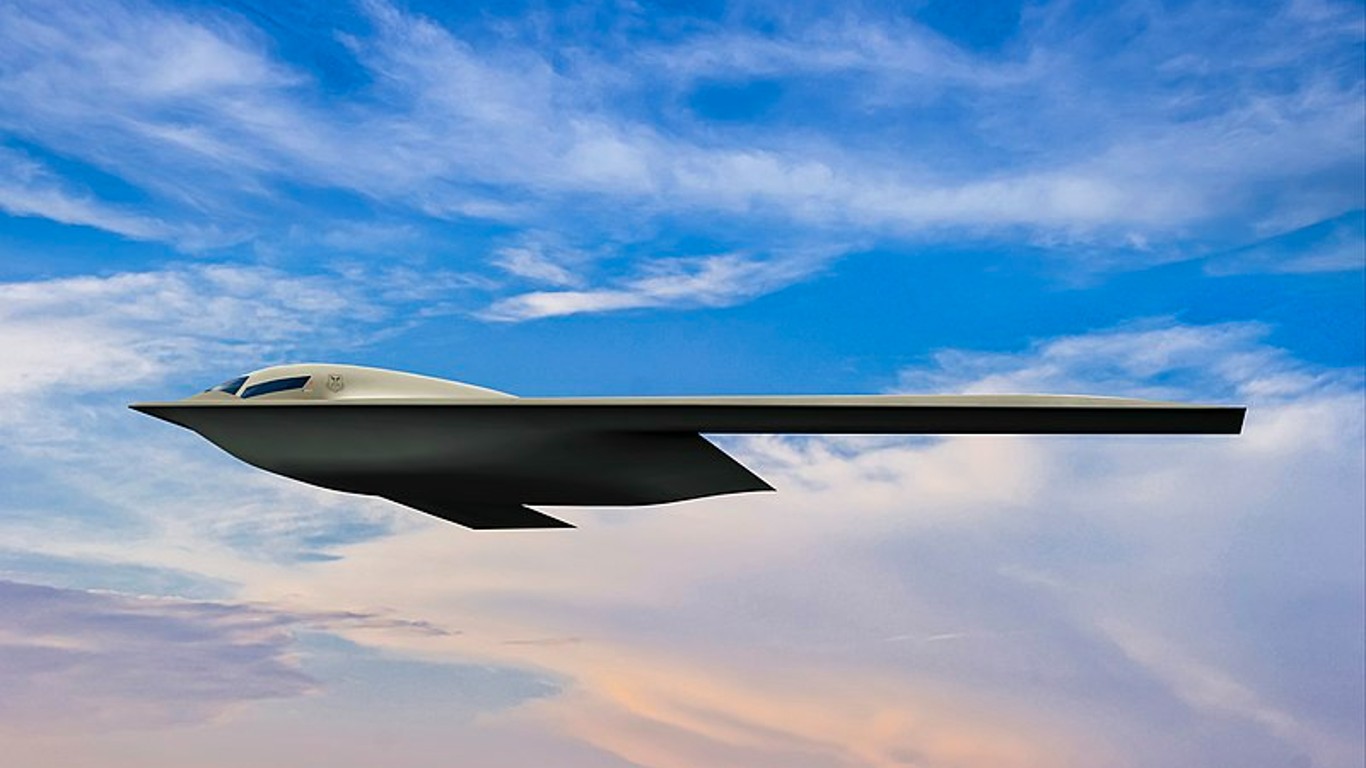
Both companies have spent the past decade riding rising U.S. and allied defense budgets, with Iran-related tensions providing recurring urgency. Northrop Grumman built its long-term thesis around nuclear modernization, most notably the B-21 Raider stealth bomber and the Sentinel ICBM program, platforms with decades of contracted revenue ahead. Lockheed Martin’s story is more immediate: the F-35 is the most widely deployed advanced fighter among U.S. allies, and its missile systems, including PAC-3, JASSM, and HIMARS, are directly relevant to Middle East conflict scenarios.
Both stocks took meaningful hits in 2025 from program charges. Northrop faced a $477 million B-21 loss provision, pushing shares near $464 in April 2025. Lockheed took a $950 million classified Aeronautics program charge and a $570 million Canadian Maritime Helicopter loss in Q2 2025, dragging shares to roughly $413 in July 2025. Both recovered sharply. Holding through those drawdowns was the price of admission.
Northrop Wins the Long Game, Lockheed Closes the Gap in 2026
Northrop Grumman
- 1-Year Return: +58.07% vs. S&P 500 +16.85%
- 5-Year Return: +165.70% vs. S&P 500 +77.6%
- 10-Year Return: +363.82% vs. S&P 500 +239.65%
Lockheed Martin
- 1-Year Return: +44.67% vs. S&P 500 +16.85%
- 5-Year Return: +117.94% vs. S&P 500 +77.6%
- 10-Year Return: +291.66% vs. S&P 500 +239.65%
Northrop outperforms across every long-term window. The one exception: Lockheed leads year-to-date in 2026 with +34.72% versus Northrop’s +29.77%, reflecting the market’s preference for Lockheed’s direct weapons-systems exposure during active conflict.
Comparing the Two Defense Giants
Northrop’s B-21 and Sentinel programs represent government-backed revenue streams extending well beyond any single administration or regional conflict, appealing to investors focused on long-term contract visibility. Lockheed’s $194 billion backlog and 23 consecutive years of dividend increases are notable, though its program execution risk showed clearly in 2025.
Morgan Stanley has cited Middle East escalation as a specific driver of air and missile defense demand, but that tailwind is increasingly visible in valuations. Northrop trades at roughly 26x forward earnings, Lockheed at roughly 22x. Neither is cheap.
For long-term holders, Northrop’s track record is the stronger argument. The Iran conflict may be today’s catalyst, but the real thesis is a U.S. defense budget that shows no sign of contracting.









 Top Gaining Stocks
 Top Losing Stocks