


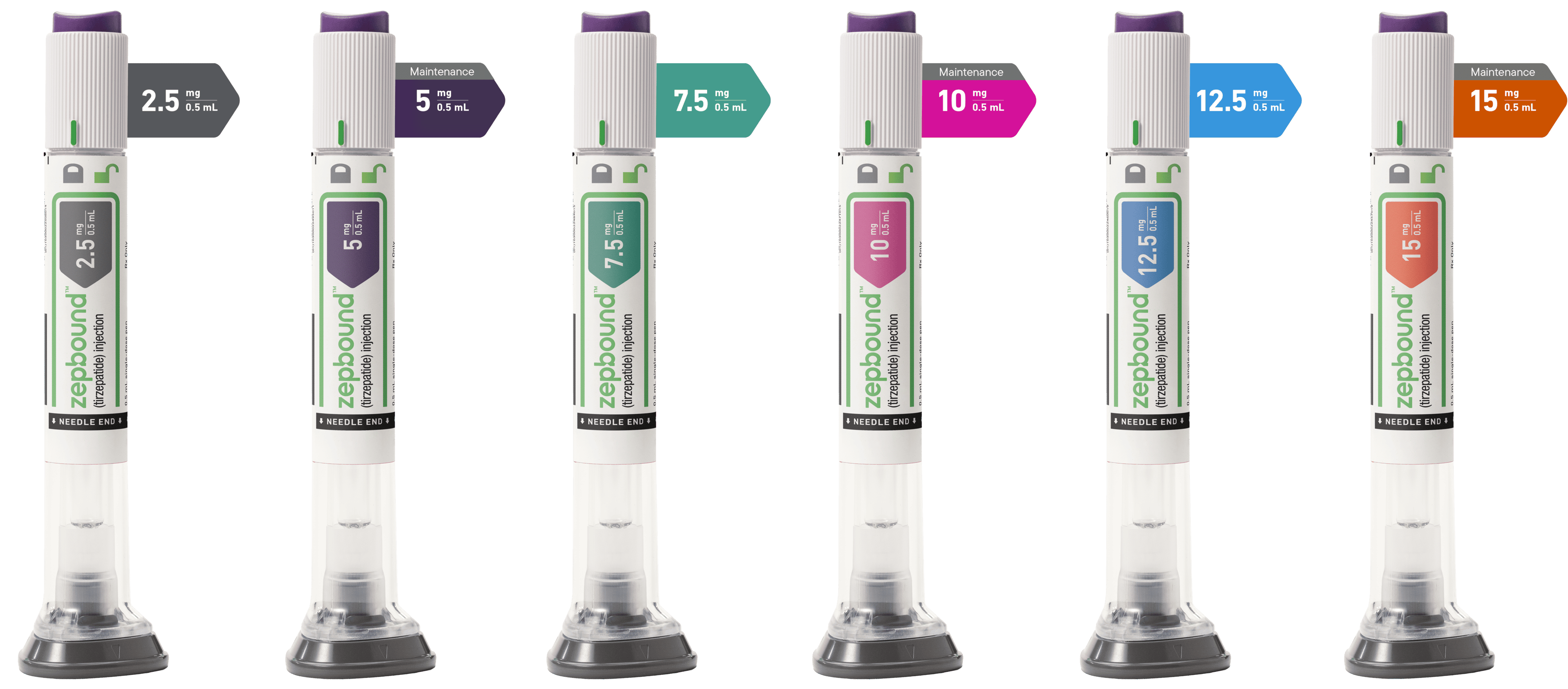
Eli Lilly’s (NYSE:LLY | LLY Price Prediction) GLP-1 therapy Zepbound has become the biggest weight loss drug since its introduction, outpacing Novo Nordisk’s (NYSE:NVO) Wegovy in both sales momentum and patient preference. But the competition is fierce, with Novo Nordisk introducing a pill form of semaglutide that has the potential to boost sales.
Coupled with its rival’s partnership with Hims & Hers Health (NYSE:HIMS) to sell branded versions of the injectable and oral treatments, Lilly can’t afford to rest in maintaining its lead, and it just may have unlocked the latest growth driver.
New Employer Plan Ushers in a New Era of Access
In early March 2026, Eli Lilly rolled out its groundbreaking direct-to-employer Employer Connect program. The initiative offers Zepbound — in a convenient multi-dose injectable form — at a fixed net price of $449 per month across all doses, less than half the drug’s list price of over $1,000. Employers bypass traditional pharmacy benefit managers (PBMs) and their opaque rebate system, gaining full price transparency upfront instead of waiting six to nine months for rebates.
Through the platform, companies partner with more than 15 independent program administrators, including GoodRx, Mark Cuban’s Cost Plus Drug, Sesame, Teladoc Health (NYSE:TDOC), Calibrate, and others. These providers compete on value-added services such as telehealth, nutrition counseling, lifestyle coaching, enrollment, and claims management. Employers select the administrator that best fits their workforce while securing the same $449 drug price regardless of choice. The result? Flexible, budget-friendly obesity coverage with minimal out-of-pocket costs for employees.
Only about 20% of employers with 200 or more workers currently cover weight-loss drugs, leaving roughly half of commercially insured patients unable to start or stay on therapy. The appeal is obvious: employers now get a discounted net price without having to wait for a rebate, making coverage decisions far easier. Analysts expect the program to drive meaningful new Zepbound volume, with material sales contributions likely ramping up in 2027 as more sidelined employers opt in.
Why Lilly’s Model Beats Novo Nordisk’s Plan
Novo Nordisk launched a comparable direct-to-employer offering in late 2025, partnering primarily with Waltz Health to sell Wegovy at discounted fixed prices. Both programs bypass PBMs, but Lilly’s stands apart with its broader ecosystem of 15+ competing administrators delivering comprehensive wraparound care — a clear edge for employers seeking end-to-end obesity management rather than just drug supply.
Zepbound’s superior clinical profile further tilts the scales in its favor. Head-to-head data show tirzepatide delivers approximately 20% average weight loss versus roughly 14% for semaglutide — a 47% relative advantage. Patients and prescribers have voted with their feet and their wallets: Zepbound rapidly became the market leader after its launch. Even at a higher list price, the drug’s greater efficacy and popularity translate into stronger real-world adherence and outcomes, justifying the premium for many employers.
Meanwhile, Novo Nordisk faces headwinds. The company guided for a 5% to 13% sales decline in 2026 — its weakest performance in years — amid the intensifying competition and price pressure. Injectable Wegovy sales are plateauing, with growth shifting to the new oral semaglutide pill. While early demand for the oral version has been encouraging, it has yet to offset broader portfolio softness. Lilly, by contrast, is forecasting 25% overall revenue growth for 2026, the third-highest annual rate in company history.
Key Takeaway
Eli Lilly is not standing still. The company is on track to launch its own oral tirzepatide (orforglipron) as early as Q2, pending FDA approval. Early Phase 3 data show it outperforms Novo’s oral semaglutide, with superior A1C reduction and weight loss (9.2% vs. 5.3%) in head-to-head trials for type 2 diabetes — results that should translate powerfully to obesity. Combined with the more efficacious injectable Zepbound and the new Employer Connect platform, Lilly possesses the clearest path to sustained market dominance in the exploding GLP-1 category.
The stock has pulled back roughly 13% from its recent 52-week highs, creating an attractive entry point. Analysts project robust long-term earnings power, with approximately 27% compounded EPS growth over the next five years. In a sector where innovation and access are everything, Eli Lilly looks like a bargain for investors seeking durable growth in one of healthcare’s most promising markets.










 Top Gaining Stocks
 Top Losing Stocks