



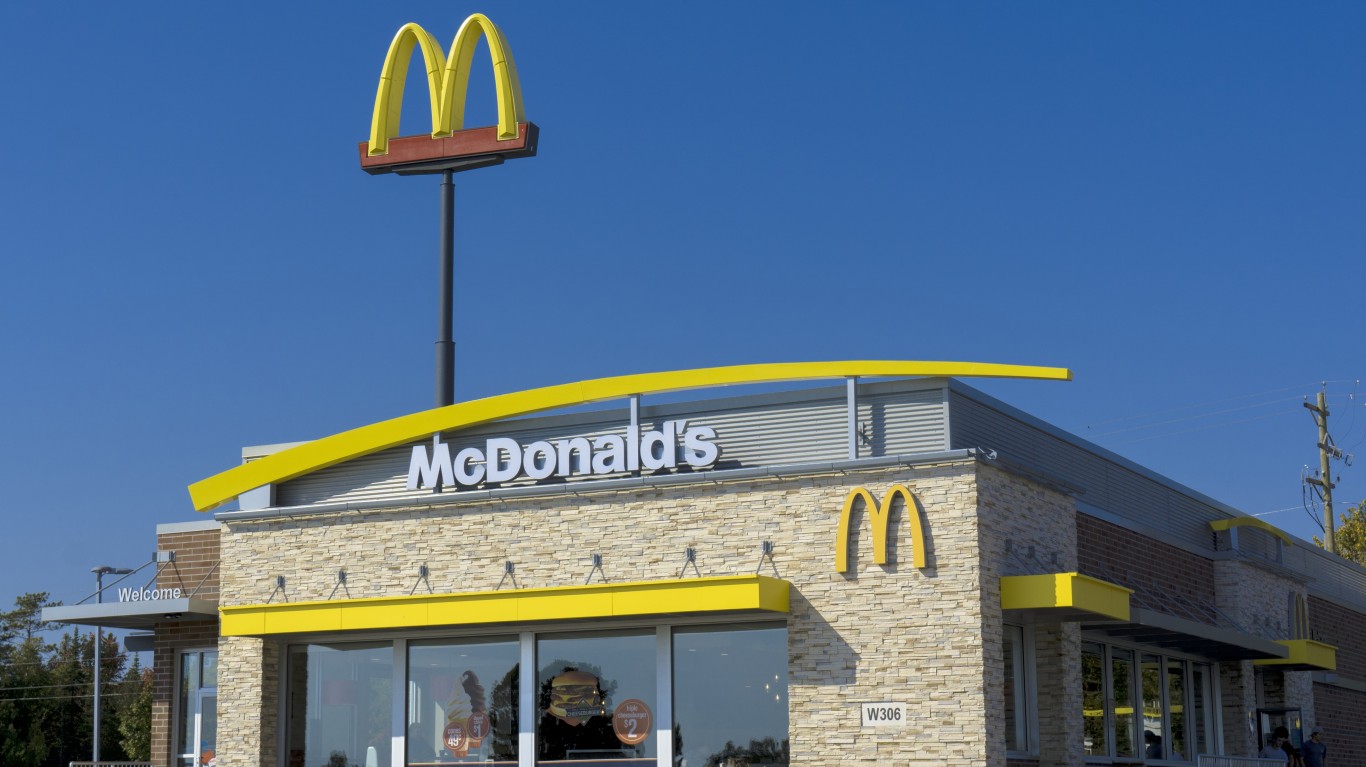
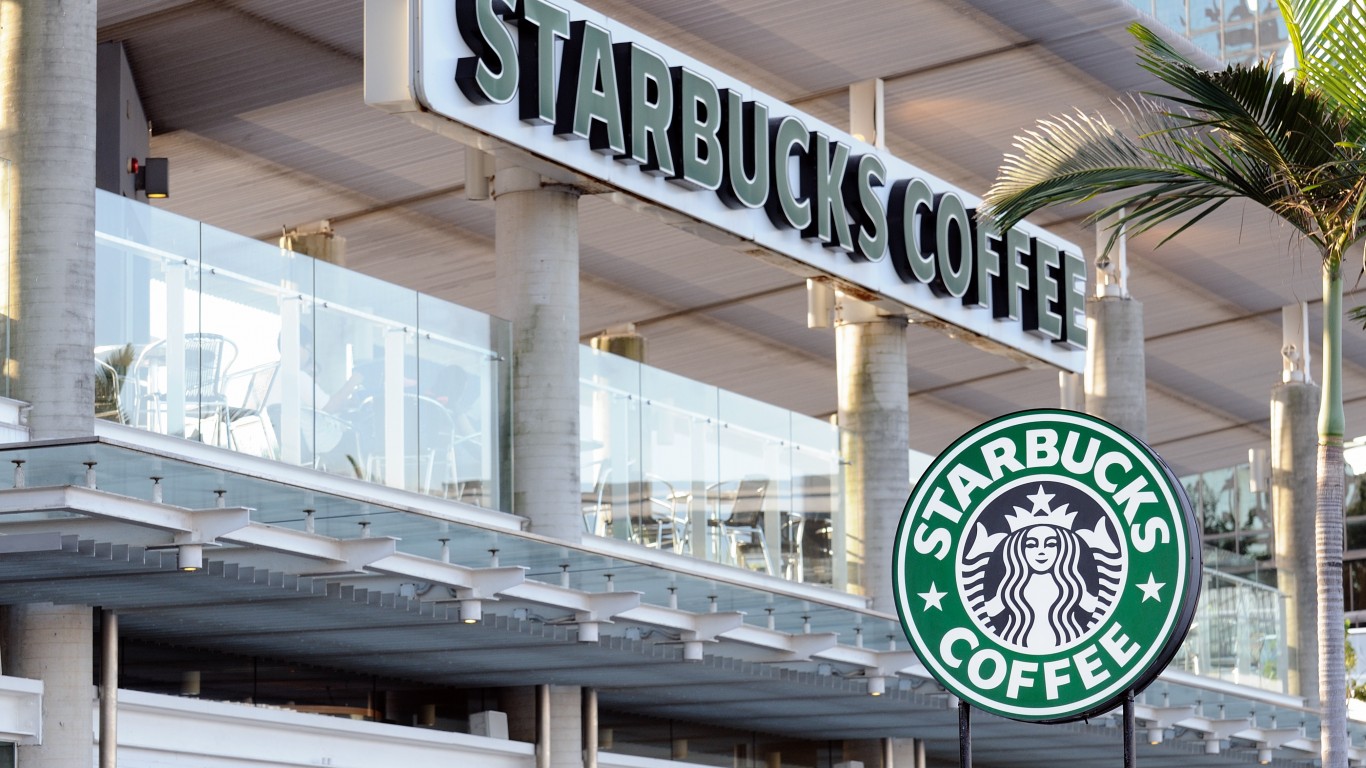
McDonald’s (NYSE: MCD | MCD Price Prediction) and Starbucks (NASDAQ: SBUX) have both been staples of American consumer spending for decades, but their stock stories could not be more different. McDonald’s quietly compounded through a franchise-heavy model overhaul, value menu momentum, and a loyalty program that now drives roughly $37 billion in annual systemwide sales. Starbucks rode a massive post-pandemic wave, then stumbled as traffic dried up among cost-conscious consumers, forcing a CEO swap in late 2024 and a restructuring that included closing 627 underperforming stores.
McDonald’s “Accelerating the Arches” strategy kept the brand relevant on affordability while the franchise model protected margins. Starbucks found itself caught between premium positioning and a customer base increasingly unwilling to pay $7 for a latte. New CEO Brian Niccol’s “Back to Starbucks” reset is still getting started.
Your $1,000 Across Every Timeframe
Here is what a $1,000 investment in each stock would look like today, based on price performance only. Both companies pay growing dividends, so total returns with reinvestment would be higher for both.
One-Year Return
- MCD: Initial $1,000 | Current Value: $1,112 | Return: +11.2%
- SBUX: Initial $1,000 | Current Value: $1,025 | Return: +2.5%
- S&P 500 (same period): $1,189 (+18.9%)
Five-Year Return
- MCD: Initial $1,000 | Current Value: $1,633 | Return: +63.3%
- SBUX: Initial $1,000 | Current Value: $994 | Return: -0.6%
- S&P 500 (same period): $1,684 (+68.4%)
10-Year Return
- MCD: Initial $1,000 | Current Value: $3,352 | Return: +235.2%
- SBUX: Initial $1,000 | Current Value: $2,024 | Return: +102.4%
- S&P 500 (same period): $3,274 (+227.4%)
McDonald’s not only outpaced Starbucks over ten years, it edged out the S&P 500. That is a meaningful result for a mature, low-beta consumer brand with a beta of just 0.51. Starbucks doubled your money over a decade, but the five-year window is essentially flat, reflecting how severe the 2022 to 2025 slump was.
One bright spot for Starbucks is that year to date in 2026, the share price is up 16.93%, outpacing McDonald’s 7.48%. Perhaps the Niccol turnaround is gaining traction. Q1 FY2026 delivered the first positive U.S. comparable transaction growth in eight quarters.
What the Data Shows
McDonald’s carries a 2.2% dividend yield, steady free cash flow of $7.186 billion in FY2025, and a loyalty program with 210 million active users. The valuation at roughly 27x trailing earnings reflects a durable franchise model. The risk: if the macro turns against low-income consumers again, Q1 2025’s −3.6% U.S. comps showed how quickly traffic can evaporate.
Starbucks presents a different profile. At 81x trailing earnings, the stock is pricing in a full recovery that has not yet materialized, and restructuring costs remain elevated. The first positive U.S. comparable transaction growth in eight quarters suggests the turnaround may be gaining traction, though execution risk remains. The China joint venture with Boyu Capital is expected to close in the spring of 2026.








 Top Gaining Stocks
 Top Losing Stocks