


Freshworks (NASDAQ:FRSH | FRSH Price Prediction) CEO Dennis Woodside had one line on the Q4 2025 earnings call that cuts straight to the company’s ambition: “We’re not the incumbent that has a lot to lose. We’re the attacker who’s taking share.” That framing matters, because the entire investment thesis for Freshworks lives or dies on whether that’s actually true.
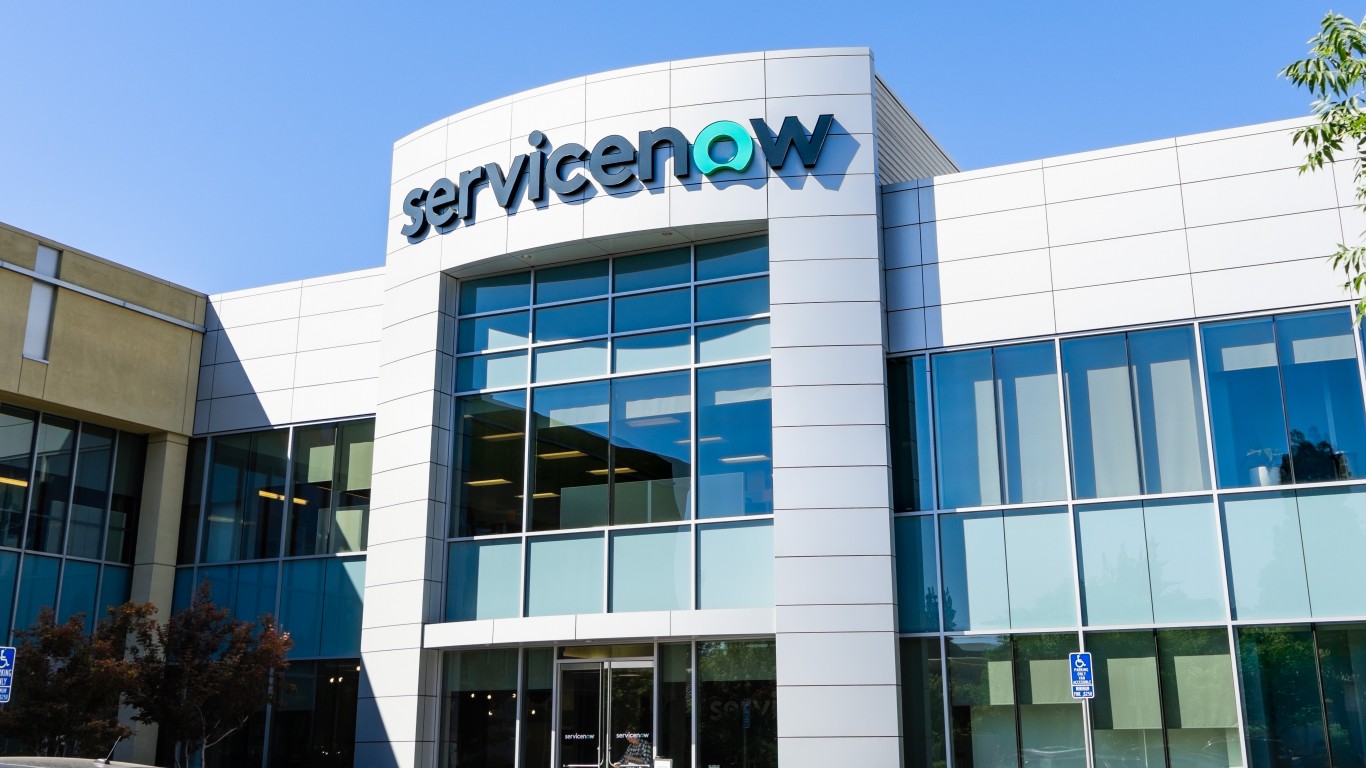
The evidence from 2025 suggests it is, at least in the employee experience segment. “A global semiconductor company recently abandoned a decade-long ServiceNow environment for Freshservice, projecting a 30% cost savings and 20 to 30% faster resolution times powered by Freddie AI.” That’s not a small win. ServiceNow installations are notoriously sticky, and a decade-long relationship walking out the door is exactly the kind of displacement Freshworks needs to repeat at scale.
Woodside framed 2025 as a genuine turning point: “Q4 marks a historic inflection point for Freshworks. For the first time in our company’s history, we achieved profitability for the full year and generated record free cash flow.” Full-year GAAP net income came in at $191.4 million, though that figure includes a $151.7 million one-time income tax benefit from a valuation allowance release. Adjusted free cash flow hit over $223 million, which is the cleaner number to anchor on.
The AI story is where Woodside got most specific. Freddie AI ARR crossed $25 million and nearly doubled year over year, with over 8,000 customers now using the product. The pricing move is telling: “We increased our pricing to 50¢ an interaction from 10¢ an interaction.” A 5x price increase on AI interactions, with customers staying and expanding, is a strong signal that the product is delivering real value, not just demo-room theater.
The three-year target Woodside laid out is concrete: $100 million in AI-driven ARR by 2028, with a path to $1.3 billion in total ARR by 2028. Today, total ARR sits at $907 million.
The market hasn’t been kind. The stock is down 34.61% year to date, sitting at $8.01 against a 52-week high of $16.48. The February earnings report showed a 2026 EPS guidance of $0.55-$0.57 against a consensus of $0.69, and the stock dropped accordingly. Woodside responded by buying 125,000 shares at $7.95 on March 2, a direct bet that the market overreacted.
The CX business remains a drag, growing at mid-single digits while EX runs at 26% ARR growth year over year. Woodside’s answer is to manage CX for stability while letting EX and AI carry the growth narrative. Whether that split-business strategy can sustain the attacker framing is the question the next several quarters will answer.










 Top Gaining Stocks
 Top Losing Stocks