


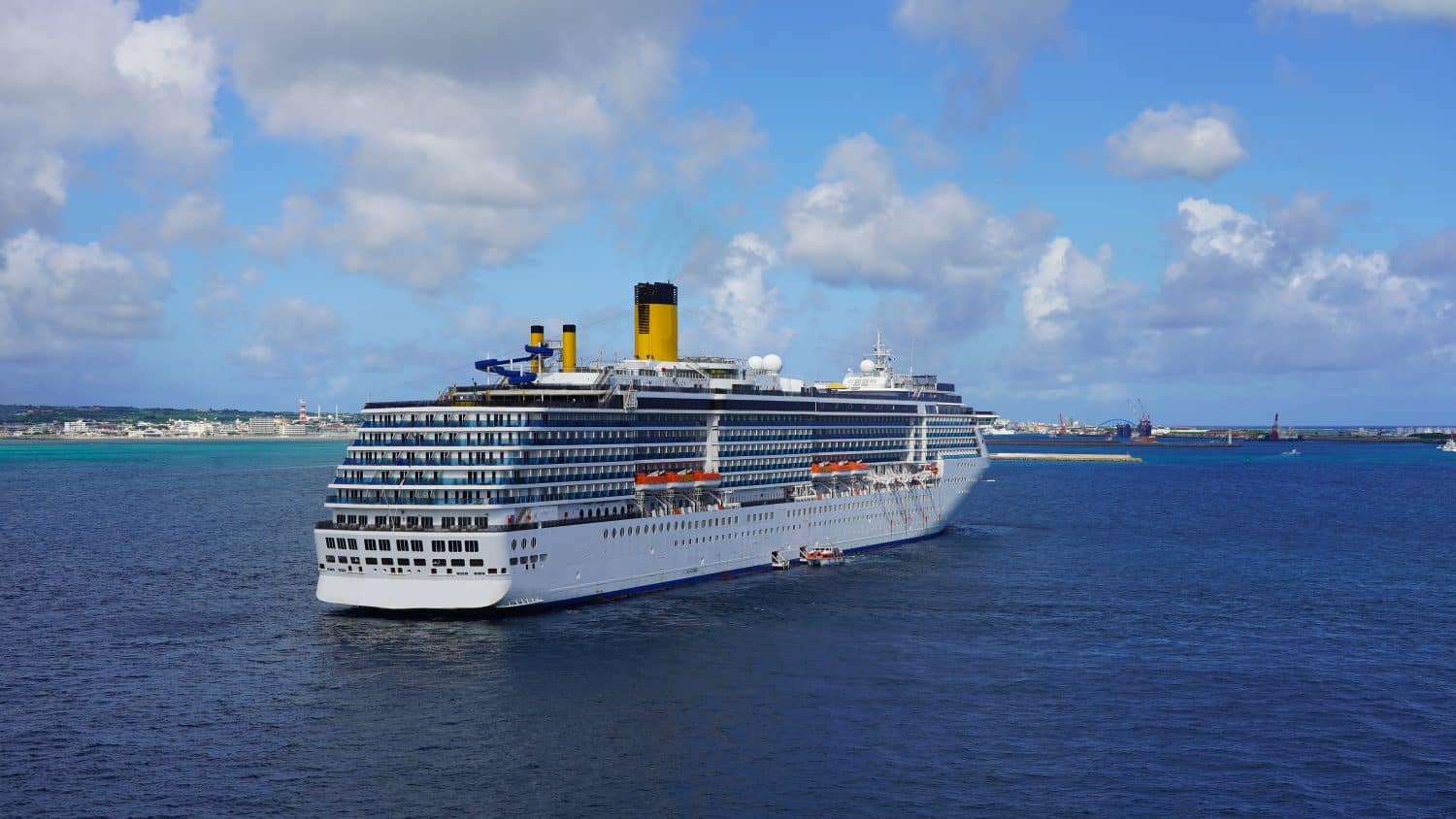
Carnival (NYSE:CCL | CCL Price Prediction) shares are down approximately 4% in Friday morning trading, falling from an opening price near $25 to around $24. The drop comes on the same day the company reported its Q1 2026 earnings, creating an unusual situation where a solid beat is being overshadowed by something bigger.
Carnival’s results were positive overall. Revenue came in at $6.165 billion, topping the $6.139 billion consensus estimate. Adjusted EPS of $0.20 beat the $0.18 analyst estimate, and net income flipped from a loss of $78 million a year ago to a profit of $258 million.
So, why is CCL stock falling? The answer comes down to three compounding pressures that no earnings beat can mask.
No Fuel Hedges, No Protection From Oil’s Surge
The most direct hit to Carnival’s 2026 outlook is fuel cost exposure. Unlike Royal Caribbean Cruises (NYSE:RCL), which hedges approximately 60% of its fuel needs, Carnival has no fuel hedging program in place. That’s not a minor operational detail; it’s a structural vulnerability that grows more painful every time oil prices spike.
WTI crude oil has been volatile in a way that punishes unhedged operators. Oil is up to $98 per barrel, and Carnival is absorbing every cent of the price increase directly into its cost structure.
The company acknowledged the damage plainly in today’s earnings release. Carnival’s full-year 2026 guidance now reflects more than $500 million in adverse fuel price impacts versus prior assumptions.
Bank of America estimated that higher fuel prices could reduce Carnival’s EBITDA by approximately $650 million and EPS by approximately $0.47. Carnival CEO Josh Weinstein noted that the company raised its full-year operational outlook by nearly $150 million to partially offset the fuel drag, but the math still leaves a wide gap.
Geopolitical Disruption Is Hitting the Sector Directly
Middle East tensions are doing more than lifting oil prices. They are physically disrupting cruise operations across the sector. Ships from TUI Cruises and Celestyal Cruises have been stranded at Persian Gulf ports, unable to transit through the Strait of Hormuz, leading to voyage cancellations. Carnival has limited direct Middle East exposure, but sector-wide disruption weighs on investor confidence across all cruise names.
There was a brief reprieve earlier this week. Reports of a Trump administration peace proposal related to the Iran conflict temporarily lifted cruise stocks, but the relief proved short-lived. Geopolitical uncertainty is not a headline risk investors can dismiss. It feeds directly into booking sentiment, itinerary planning, and the kind of forward demand visibility that cruise stocks depend on for their valuations. You can read more about how this risk has been building in this earlier analysis of oil and geopolitical pressure on CCL, RCL, and NCLH.
Investor Sentiment Is Sharply Divided
The bulls have real ammunition. Morgan Stanley upgraded Carnival stock to Overweight from Equal Weight and set a $31 price target. Furthermore, Goldman Sachs reaffirmed its Buy rating despite trimming its price target due to fuel cost headwinds. Barclays, meanwhile, maintained an Overweight rating with a price target of $36. Jim Cramer recently called Carnival “an inexpensive stock” and noted that “the street’s going very positive about the cruise lines again.”
The bears have ammunition too, however. Carnival’s total debt sits at $25.3 billion, and unhedged fuel exposure turns every oil spike into a direct earnings problem. CCL shares are down 21% year to date and 23% over the past month.
The peer picture adds nuance. Royal Caribbean (NYSE:RCL) shares are only down 5% year to date, reflecting the company’s hedging advantage. Norwegian Cruise Line (NYSE:NCLH) stock is down 15% year to date; the company faces additional headwinds from a CEO transition and activist investor pressure, making it the most pressured name in the group.
Still, the bookings picture for Carnival remains constructive. Nearly 85% of 2026 capacity is already booked at historically high constant-currency prices, and customer deposits reached nearly $8 billion, up approximately 10% year over year. The demand story is intact; fuel costs are the variable eroding the earnings outlook.
What to Watch Next
Carnival’s earnings call began at 10:00 a.m. ET today. Any additional commentary from management on fuel cost assumptions, hedging strategy, or geopolitical booking impacts could shape the stock’s direction into the close.
Management commentary on fuel cost assumptions and hedging strategy will be the key variable shaping the stock’s direction into the close. After that, watch the $25 level as this could be a key turning point for CCL stock.






 Top Gaining Stocks
 Top Losing Stocks