


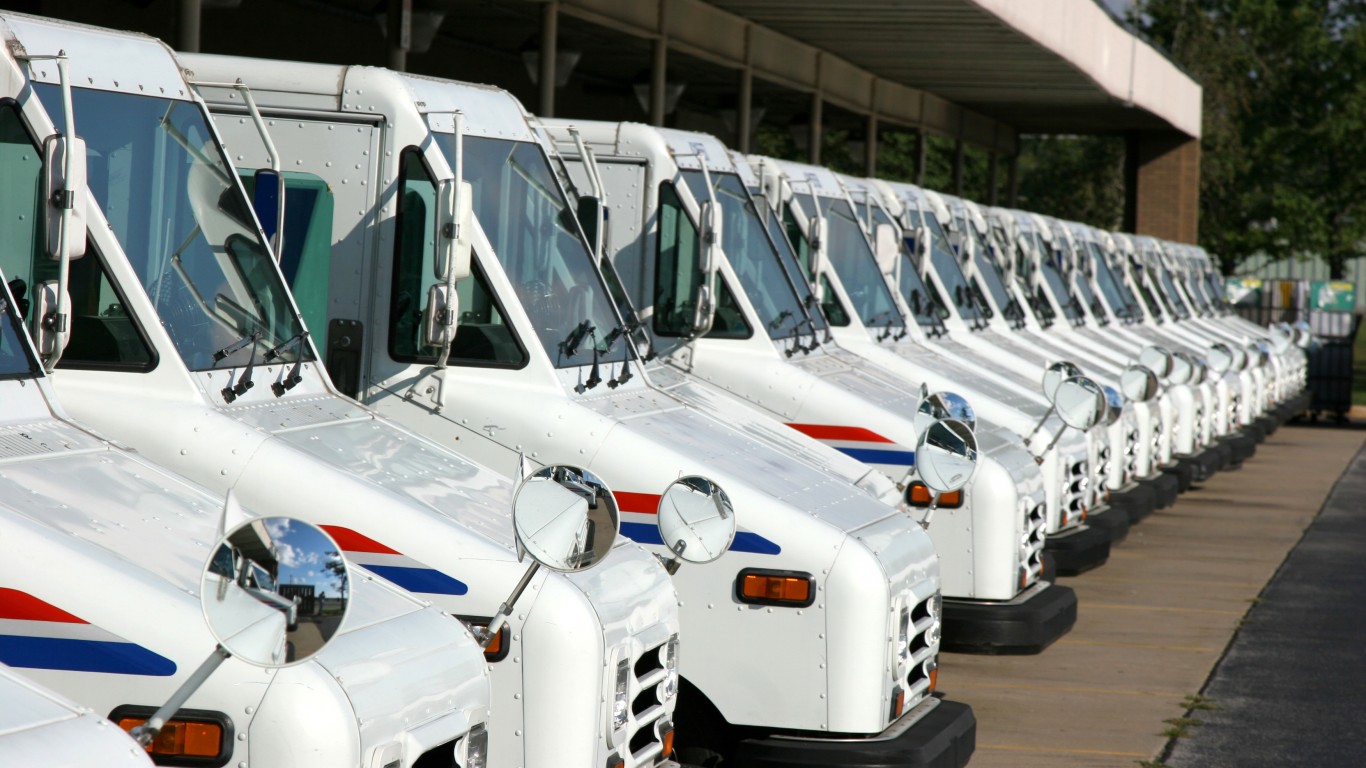
This week’s Amazon/USPS deal is one of the more interesting signals I’ve seen about where the company’s delivery strategy is actually headed.
Amazon (NASDAQ:AMZN | AMZN Price Prediction) has struck a new agreement with the US Postal Service that keeps the relationship largely intact. As CNBC’s Morgan Brennan put it on Tuesday’s Morning Business Report:
Amazon, which is the Postal Service’s biggest customer, keeping about 80% of its existing deliveries with the agency, or more than 1 billion packages per year.
Last month, Amazon had reportedly considered cutting two thirds or more of its USPS volume. The final deal landing at a 20% reduction is a meaningfully better outcome for the Postal Service, which counts Amazon as its single largest customer at approximately $6 billion in annual revenue.
Why Amazon Still Needs USPS
Amazon has invested heavily in its own last-mile delivery network. The company announced a $4 billion investment through 2026 to expand its rural delivery network, and same-day delivery items in the U.S. grew nearly 70% year-over-year, used by nearly 100 million customers. That’s real infrastructure.
But rural America is where USPS remains essentially irreplaceable. No private carrier covers the geographic breadth that USPS does at comparable cost. Retaining over 1 billion packages annually through the postal service signals Amazon is being pragmatic: build where you can, partner where you must. For now anyway.
The deal is still pending review and approval by the Postal Regulatory Commission, so it isn’t fully locked in yet. That’s worth watching.
The Bigger Picture for Amazon’s Financials
Logistics cost structure is one of the less-discussed levers in Amazon’s margin story. The company posted full-year 2025 operating income of $79.98 billion on revenue of $716.92 billion. Keeping a high-volume, cost-efficient delivery partner for rural routes helps protect those margins while Amazon scales its own network in denser markets.
Wells Fargo raised its price target on Amazon from $304 to $305, maintaining an “Overweight” rating and projecting over 45% upside from current levels. The stock currently trades around $212.79, down about 8% year-to-date.
What I’m watching next: whether the Postal Regulatory Commission approves this deal as structured, and whether Amazon’s rural delivery investment eventually reduces its USPS dependence further. For now, this agreement buys both sides time, and for Amazon, it keeps over a billion packages moving without disruption while the company builds toward something bigger.










 Top Gaining Stocks
 Top Losing Stocks