


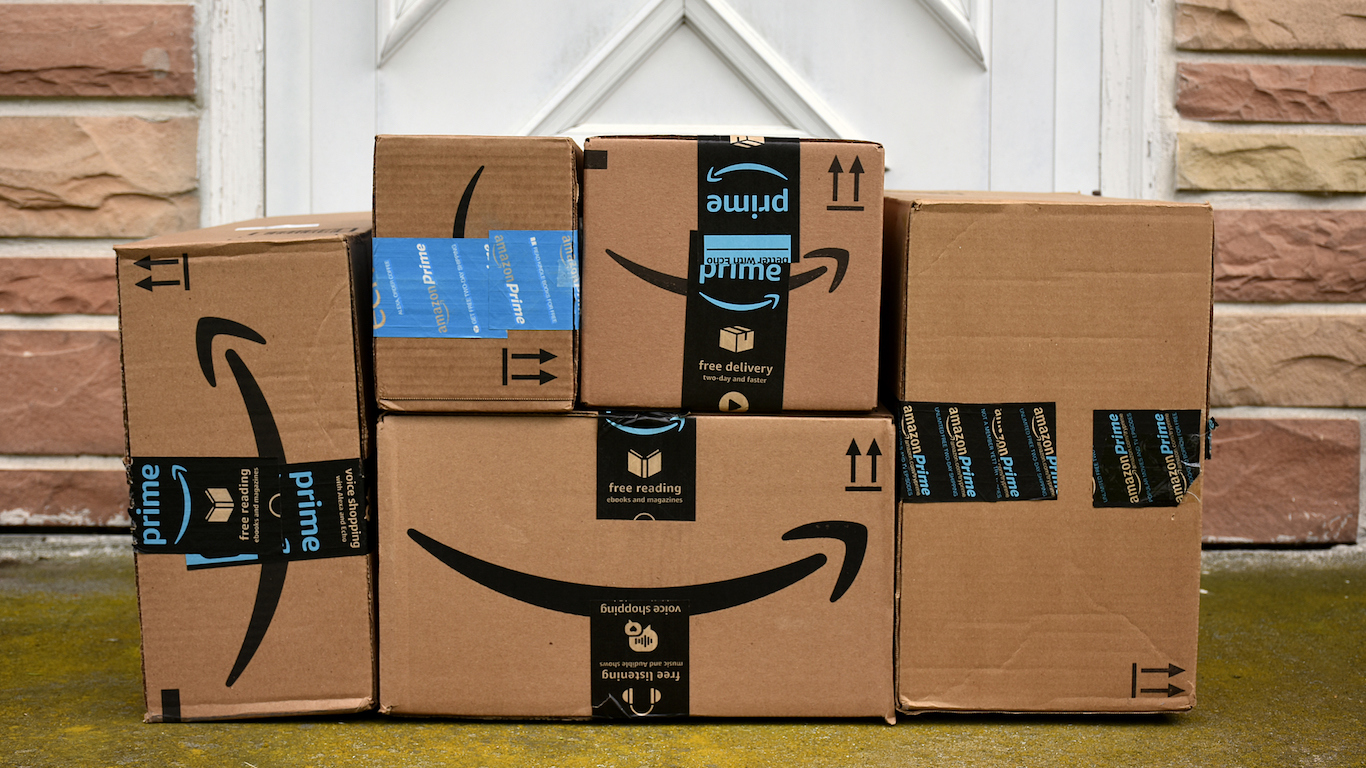
Amazon.com Inc. (NASDAQ: AMZN) wants to build its own last-mile delivery service without having to spend billions on trucks and drivers’ wages. The company launched a plan Thursday morning that may do just that.
The company already offers Amazon Flex, an opportunity for individuals to deliver packages as independent contractors. The new Delivery Service Partner program builds on that.
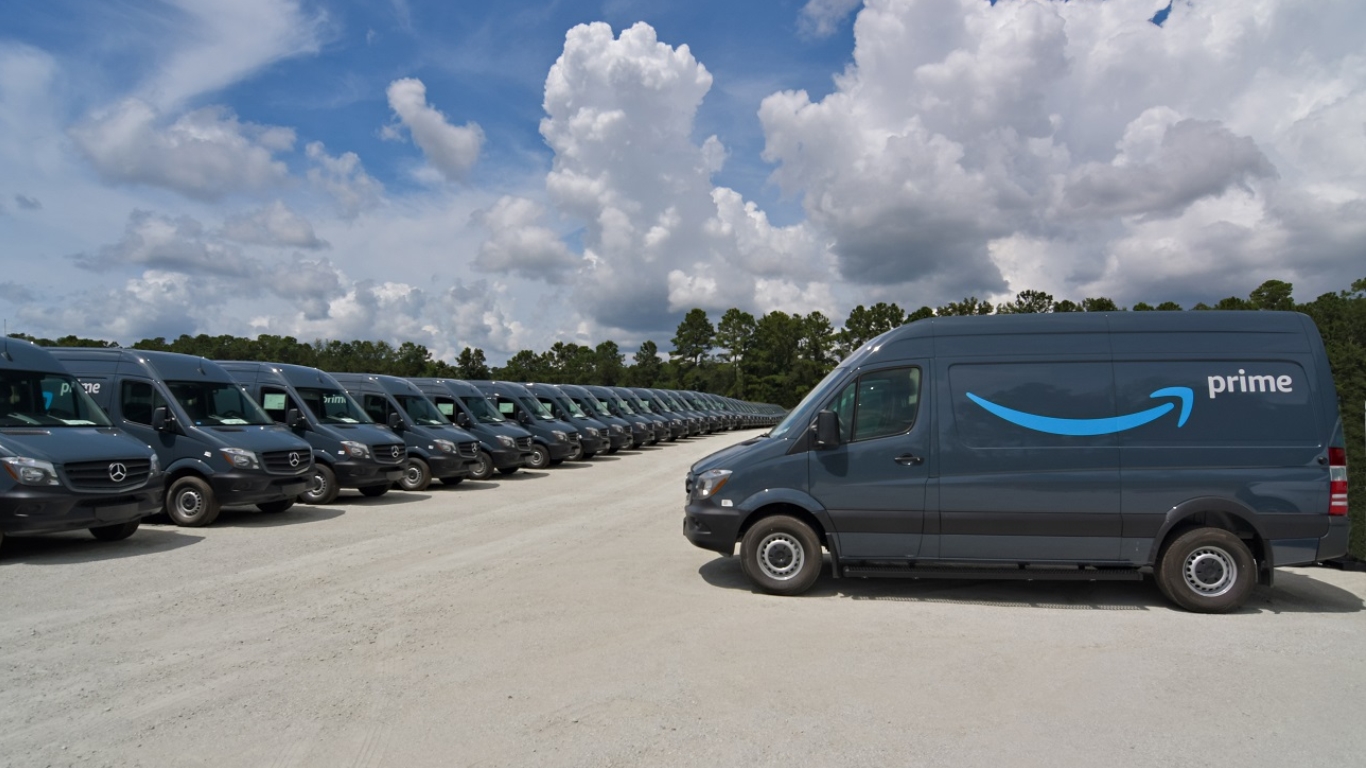
Amazon is offering access to its vehicle leasing and insurance programs to entrepreneurs who want to build their own small businesses. The company claims that owners could earn up to $300,000 in annual profit by operating a fleet of 40 delivery vehicles, all emblazoned with Amazon logos and colors.
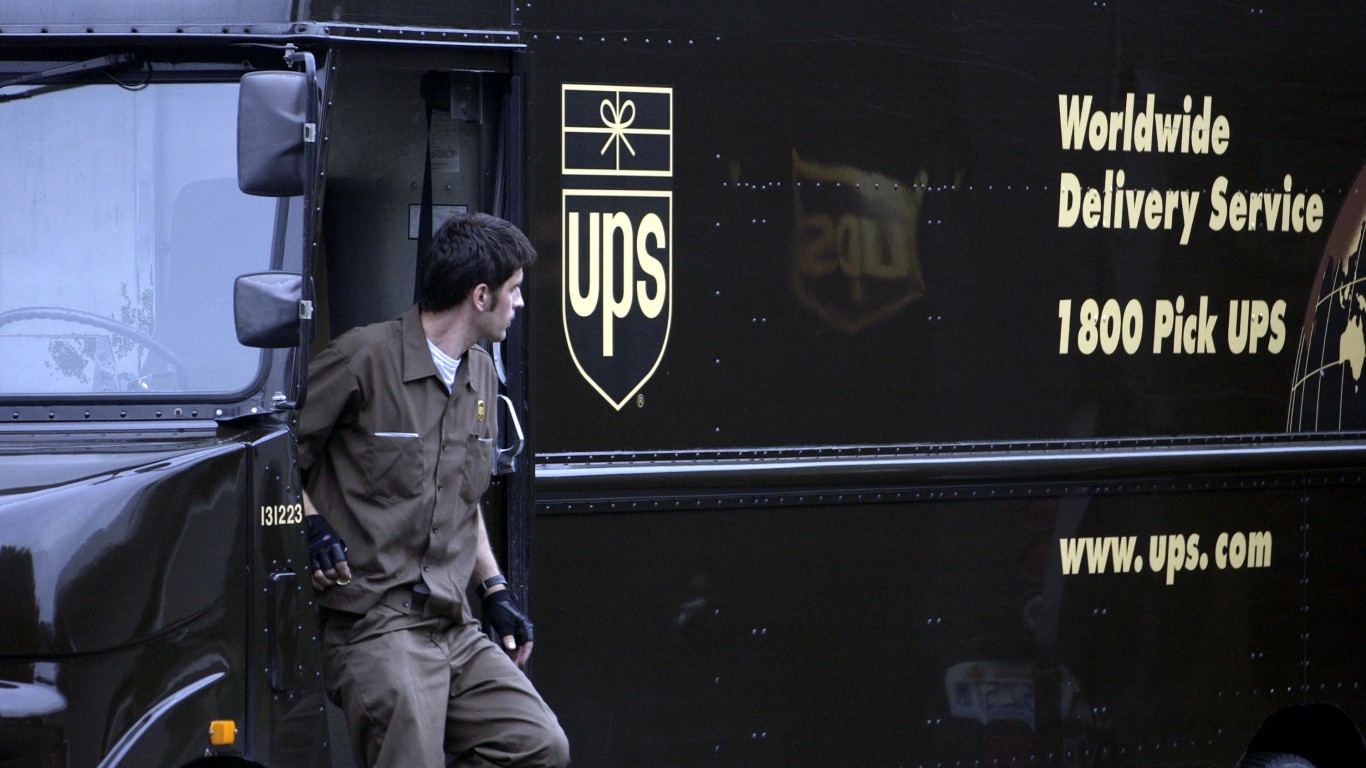
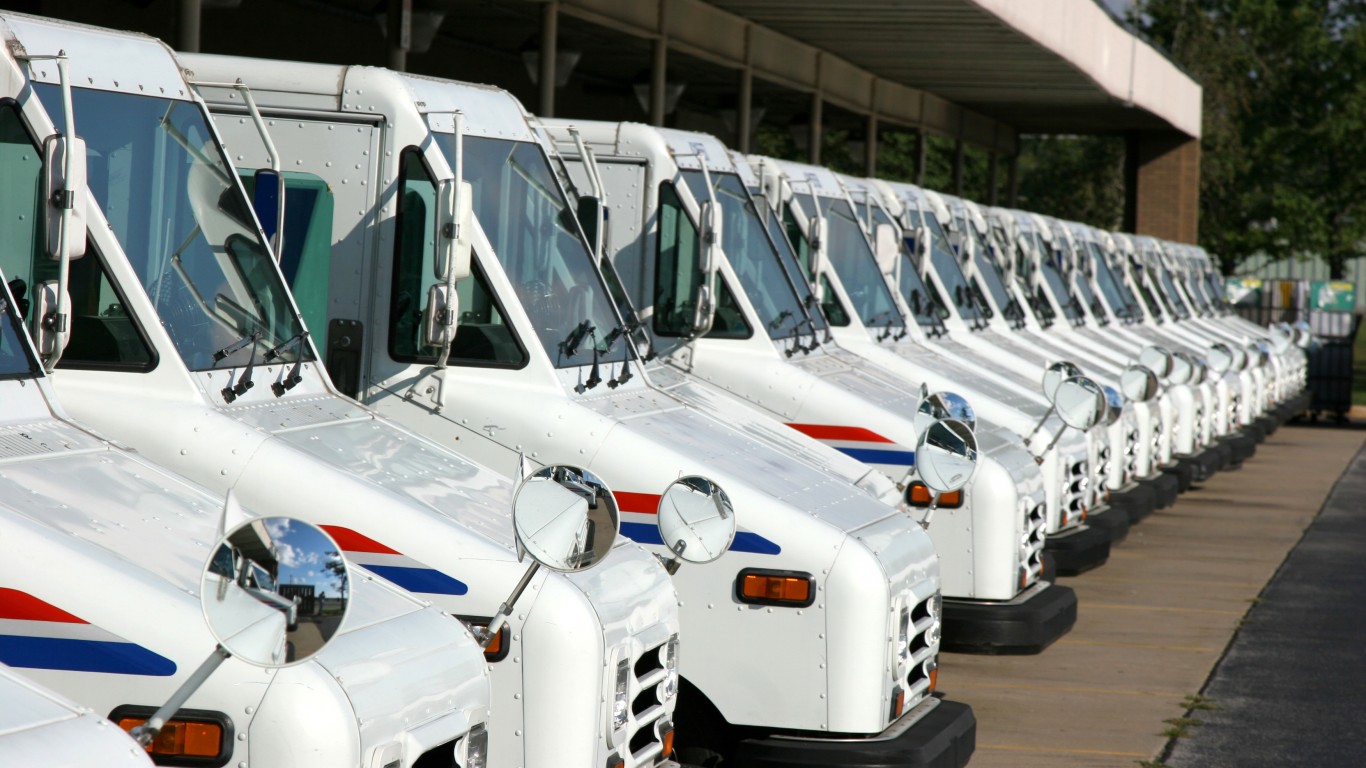
Depending on how successful the company is in corralling entrepreneurs, the impact on UPS, FedEx and the U.S. Postal Service could be significant. The effect won’t be known for a while, but Amazon’s offer is a clear threat to the established delivery services.
[nativounit]
The company’s senior vice-president of worldwide operations, Dave Clark, said:
Customer demand is higher than ever and we have a need to build more capacity. As we evaluated how to support our growth, we went back to our roots to share the opportunity with small-and-medium-sized businesses. We are going to empower new, small businesses to form in order to take advantage of the growing opportunity in e-commerce package delivery.
Amazon made particular note of a feature of the program for U.S. military veterans. The company is offering $10,000 in reimbursements, up to a total of $1 million, for qualified candidates who build their own businesses.
In a marketing brochure for potential owners, Amazon outlines startup costs, ongoing operating costs and revenue potential. There are no specific details, but Amazon outlines its payment structure:
- A fixed monthly payment based on the number of Amazon vehicles
- A route rate based on the length of the route
- A per-package rate based on the number of successfully delivered packages
Amazon does say that operators of 20 to 40 delivery vehicles may expect revenue ranging from $1.0 million to $4.5 million and annual profit potential of $75,000 to $300,000.
It doesn’t take much insight to see that Amazon is trying to cream off delivery service in large metro areas and leave the less populated areas of the country to its competitors. Running a fleet of 20 delivery vans in Wyoming or Montana would mean covering an area the size of some smaller states just to get the volume up. Once again, the Postal Service is likely to take the brunt of the punishment.
[recirclink id=473768]
[wallst_email_signup]








 Top Gaining Stocks
 Top Losing Stocks