


Tesla (NASDAQ:TSLA | TSLA Price Prediction) and Ford Motor (NYSE:F) just delivered earnings reports that read like dispatches from two different industries. Tesla posted Q1 2026 results powered by AI, autonomy, and margin recovery. Ford closed out Q4 2025 with a heavy EV writedown and a turnaround pitch built around trucks, vans, and software for fleets.
Margin Snapback at Tesla, Cleanup Quarter at Ford
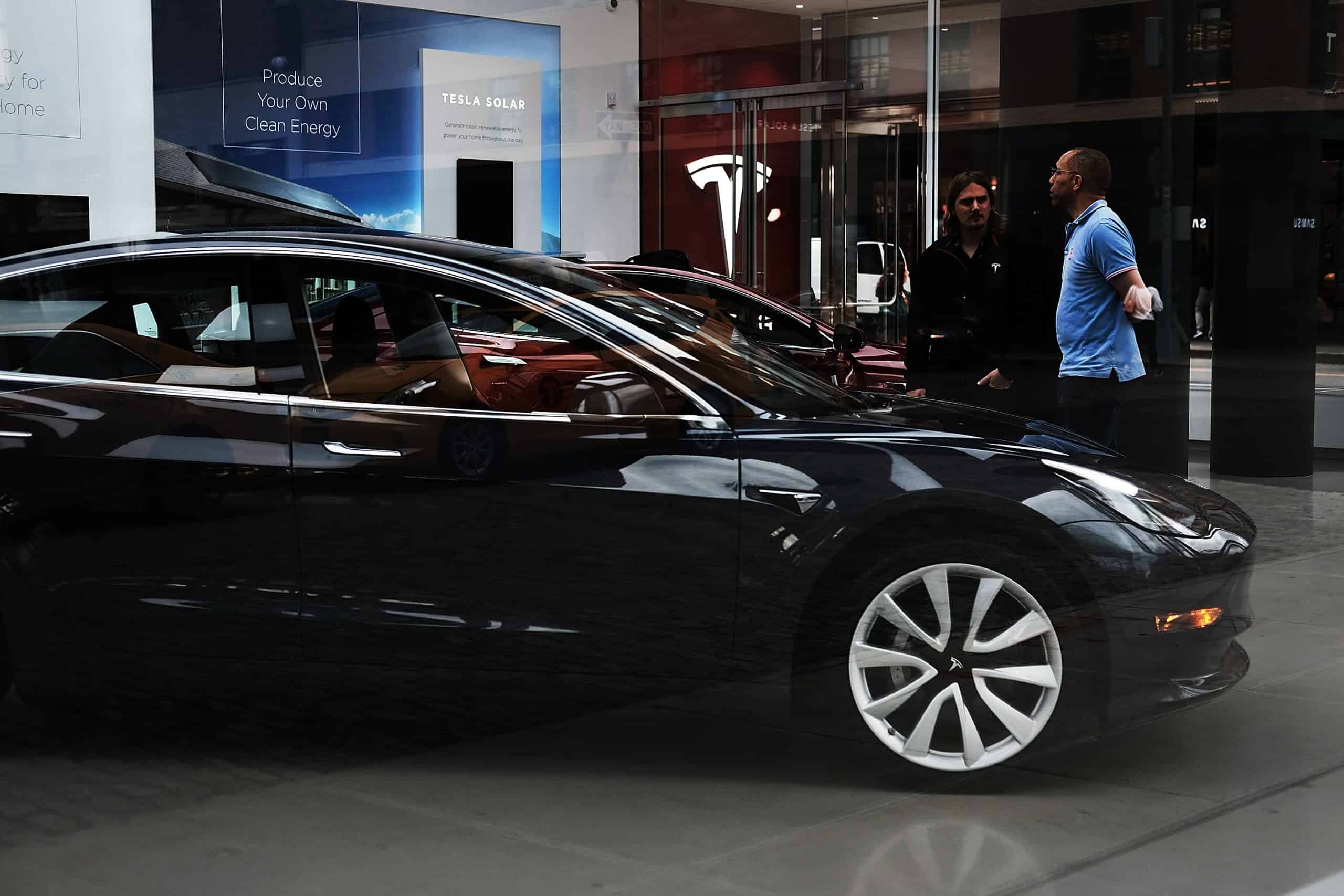
Tesla’s quarter was about the auto business healing. Automotive gross margin expanded to 21.1% from 16.2% a year ago, helped by lower material costs, higher selling prices, and one-time warranty and tariff gains.
Non-GAAP EPS came in at $0.41 against a $0.359 estimate, a 14.14% beat. Services and Other revenue jumped 42% to $3.75 billion, with active FSD subscriptions reaching 1.28 million. Energy storage, oddly, slipped 12%. Inventory days crept up to 27, worth watching.
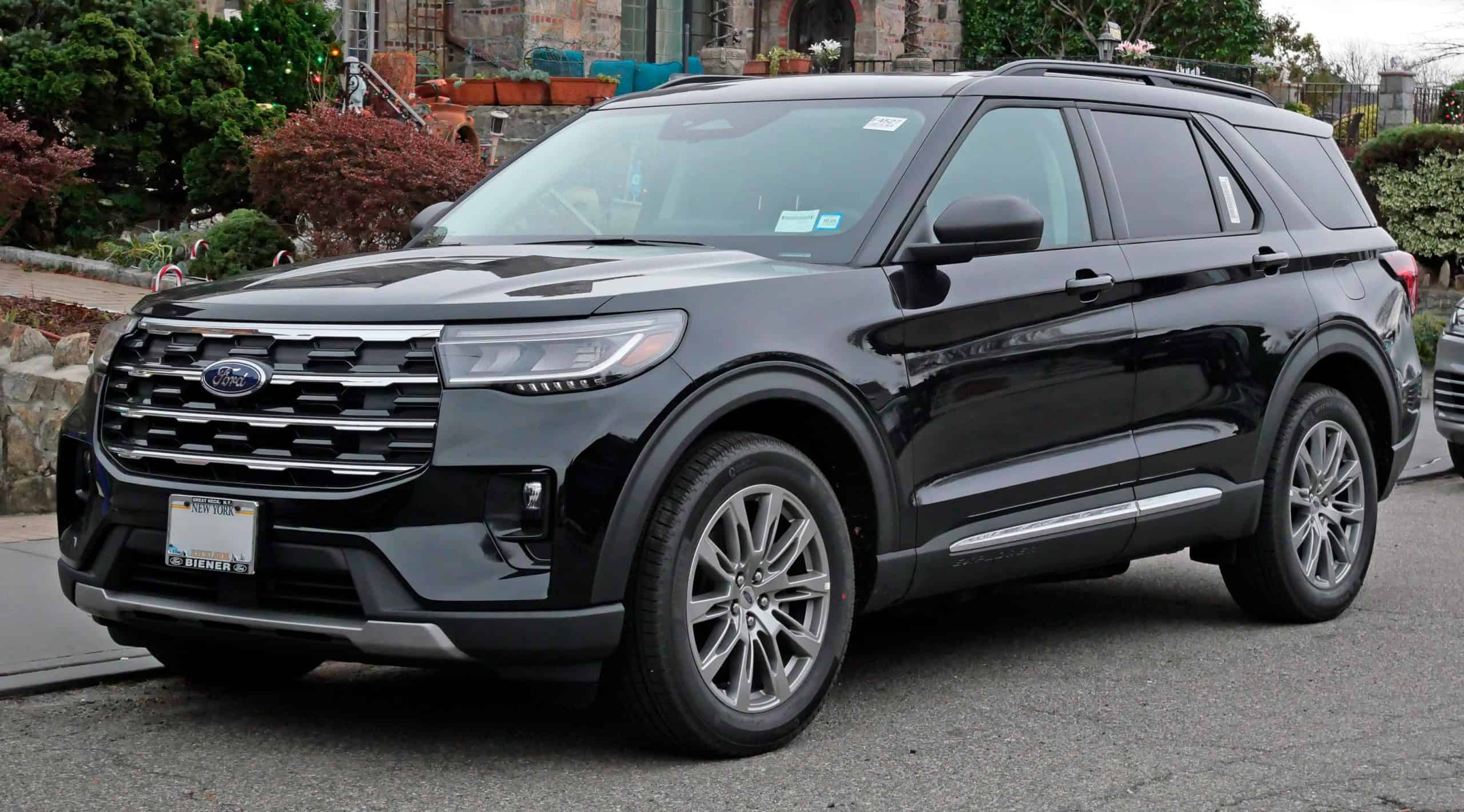
Ford’s print was uglier on the surface and more interesting underneath. Adjusted EPS of $0.13 missed expectations by 25.20%, and a $11.05 billion GAAP loss reflected $15.5 billion in special charges, including $10.7 billion tied to Model e impairments and EV cancellations.
Yet the underlying business is doing real work: Super Duty had its best year since 2004, up 10%, and Ford Pro paid software subscriptions grew 30% in 2025. CEO Jim Farley told investors Ford “made difficult but critical strategic decisions that set us up for a stronger future” while reiterating an 8% adjusted EBIT margin target by 2029.
An AI Factory vs. a Truck and Van Franchise
Tesla is spending like a software company that happens to make cars. Cybercab, Tesla Semi, and Megapack 3 are all guided to volume production in 2026, and Optimus lines at Fremont are being designed for 1 million robots/year. Unsupervised Robotaxi rides launched in Dallas and Houston in April.
| Lens | Tesla | Ford |
| Core bet | Robotaxi, Optimus, FSD subscriptions | F-150, Super Duty, Transit, Ford Pro software |
| R&D / Capex tone | $1.95B quarterly R&D, AI5 chip taped out | $9.5B-$10.5B 2026 capex, EV ambition trimmed |
| Key vulnerability | Battery pack capacity, AI execution risk | Model e losses of $4.0B-$4.5B guided in 2026 |
Ford is doing the opposite: narrowing focus to what already prints cash. Ford Pro is guided to $6.5 billion to $7.5 billion EBIT in 2026, with Ford Credit adding roughly $2.5 billion.
What Decides 2026
For Tesla, the question is whether AI capex translates into revenue before patience runs thin. Polymarket traders give a Robotaxi rollout in California by June 30 only a 13.5% chance and Optimus a release by year-end just 15.0%. Shares are down 16.33% year to date even after a 45% one-year gain.
For Ford, the test is margin discipline. I will watch Ford Pro software attach rates and whether Model e losses actually narrow toward the guided $4 billion to $4.5 billion range.
How The Two Theses Stack Up For Different Investor Profiles
Tesla offers exposure to AI, autonomy, and robotics backed by a strong balance sheet, though it trades at a 345 P/E and the 32 insider transactions skewed to selling are worth noting alongside the margin recovery.
Ford represents a cash-flow, dividend, and turnaround story that can be underwritten with a spreadsheet. Insiders are buying, the analyst target sits at $13.85, and Ford Pro is shaping up as a quietly compounding asset. The next two quarters should clarify which thesis is working.








 Top Gaining Stocks
 Top Losing Stocks