


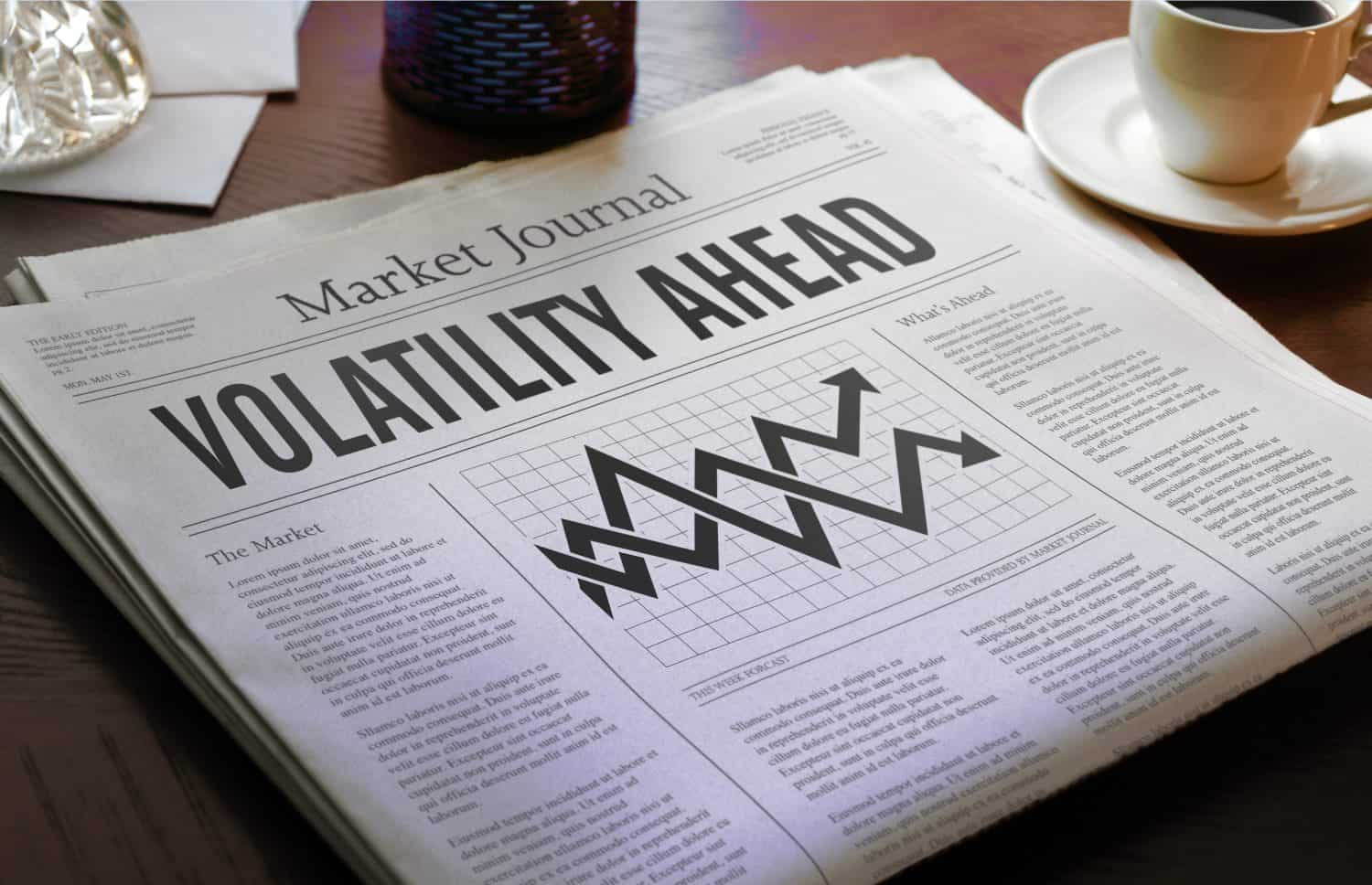
The CBOE Volatility Index is trading near 19.5 this morning, but a single number released at 8:30 a.m. ET today could push it sharply in either direction. The March CPI report drops this morning, and forecasts point to a 0.9% month-over-month increase and a 3.3% year-over-year rise, which would be the largest annual increase since May 2024. That is a steep jump from February’s 0.3% monthly and 2.4% annual readings, and equity futures are flat ahead of the release.
Why Energy Is the Story Behind Today’s Inflation Print
The expected acceleration in March inflation is not broad-based demand pressure. It is almost entirely an energy story. March’s expected CPI rise will be heavily driven by gasoline and other energy-related prices that have surged to multiyear records due to supply shortages following the U.S.-Iran war. West Texas Intermediate futures are hovering just below $97 a barrel, and the Strait of Hormuz remains a chokepoint: only eight ships crossed the strait Thursday, far below the usual 135.
A fragile U.S.-Iran ceasefire is holding for now, with diplomatic talks scheduled for Saturday in Islamabad, but the situation is unstable enough that energy prices could move sharply before markets close today. That geopolitical wildcard is precisely why the VIX, even at a relatively subdued level, is sitting at the 76.6th percentile of its one-year range, suggesting traders are paying up for protection.
What the Broader Market Is Telling You
Equity indices have recovered sharply from their late-March volatility spike, when the VIX briefly hit about 31 in late March. The SPDR S&P 500 ETF Trust (NYSEARCA:SPY | SPY Price Prediction) has gained about 4% over the past week, while the Invesco QQQ Trust (NASDAQ:QQQ) is up about 4% over the same period. The S&P 500 has risen in seven consecutive sessions with a 7.6% gain, and the Nasdaq is now higher than when the Iran conflict began.
The iShares Russell 2000 ETF (NYSEARCA:IWM) is up about 4% over the past week and has gained about 6% year-to-date, outperforming large caps. Small caps are typically more sensitive to rate expectations, so a hotter-than-expected CPI print would hit IWM hardest by pushing back any Fed rate cut timeline. The 10-year Treasury yield is currently near 4.3%, and a CPI surprise to the upside would likely push that higher, compressing valuations across growth stocks and small caps.
Consumer Confidence Makes a Hot Print Riskier
The University of Michigan Consumer Sentiment index sits at 56.6, well below the 80 threshold that marks neutral territory and approaching the recessionary range below 60. A CPI print that confirms accelerating inflation could amplify consumer anxiety. The yield curve spread between 10-year and 2-year Treasuries is at about half a percent, down from a February peak of about 0.7%, signaling that markets have been pricing in more caution over the past two months.
The Thresholds That Will Move Markets After the 8:30 Release
The key threshold is whether the year-over-year figure comes in above or below the 3.3% consensus estimate. A print at or below that level would likely hold the VIX near current levels and allow equities to extend their recent gains. A print above 3.5% would almost certainly send the VIX back toward 25 or higher, forcing a repricing of Fed rate cut expectations for the rest of 2026. If the 10-year yield spikes above 4.45% immediately after the release, equity futures will follow lower. The ceasefire talks in Islamabad on Saturday add a second catalyst that could move markets before Monday’s open.












 Top Gaining Stocks
 Top Losing Stocks