


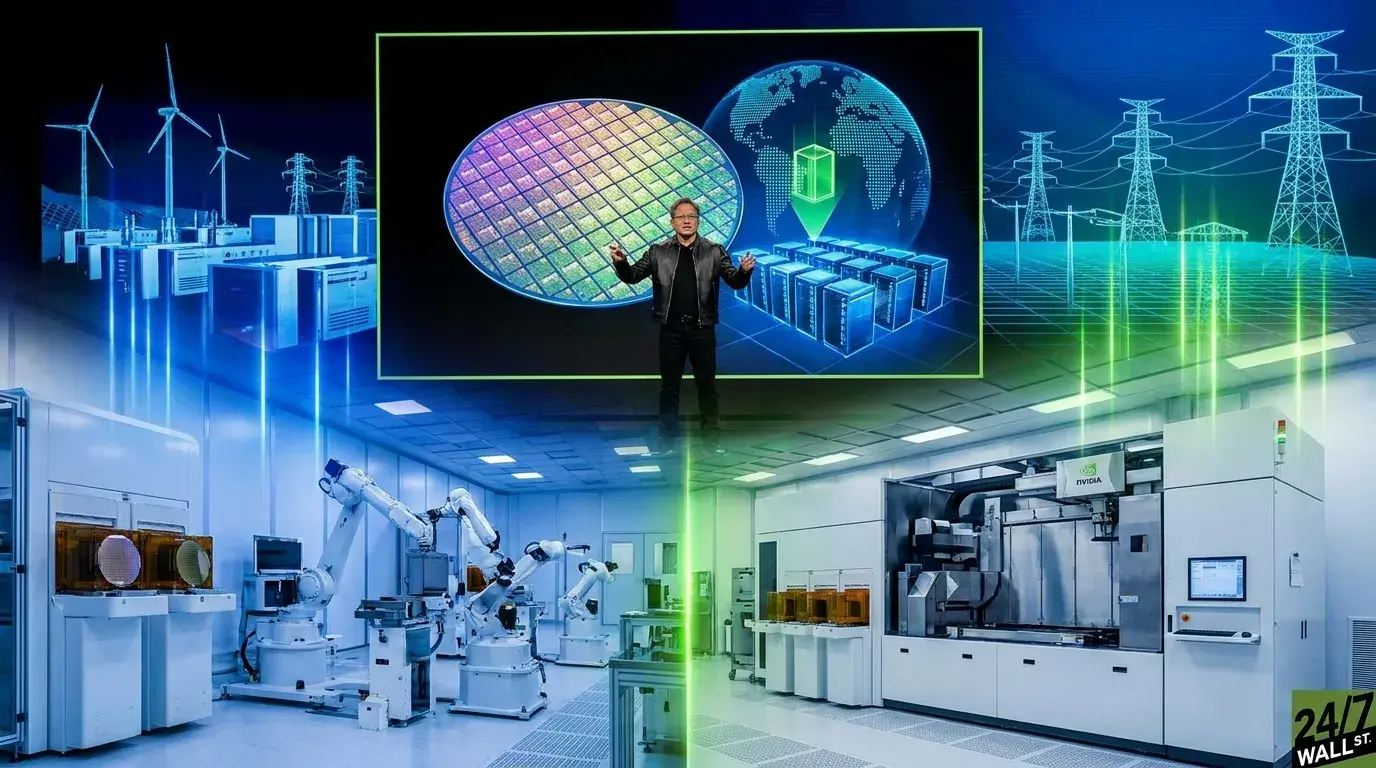
“Once you can build one, you can build 10. And once you can build 10, you can build a million.” That is how NVIDIA (NASDAQ:NVDA | NVDA Price Prediction) CEO Jensen Huang frames the manufacturing bottleneck question that keeps some investors up at night. The logic is simple, and the implications for NVIDIA shareholders are worth unpacking carefully.
What Huang Actually Said
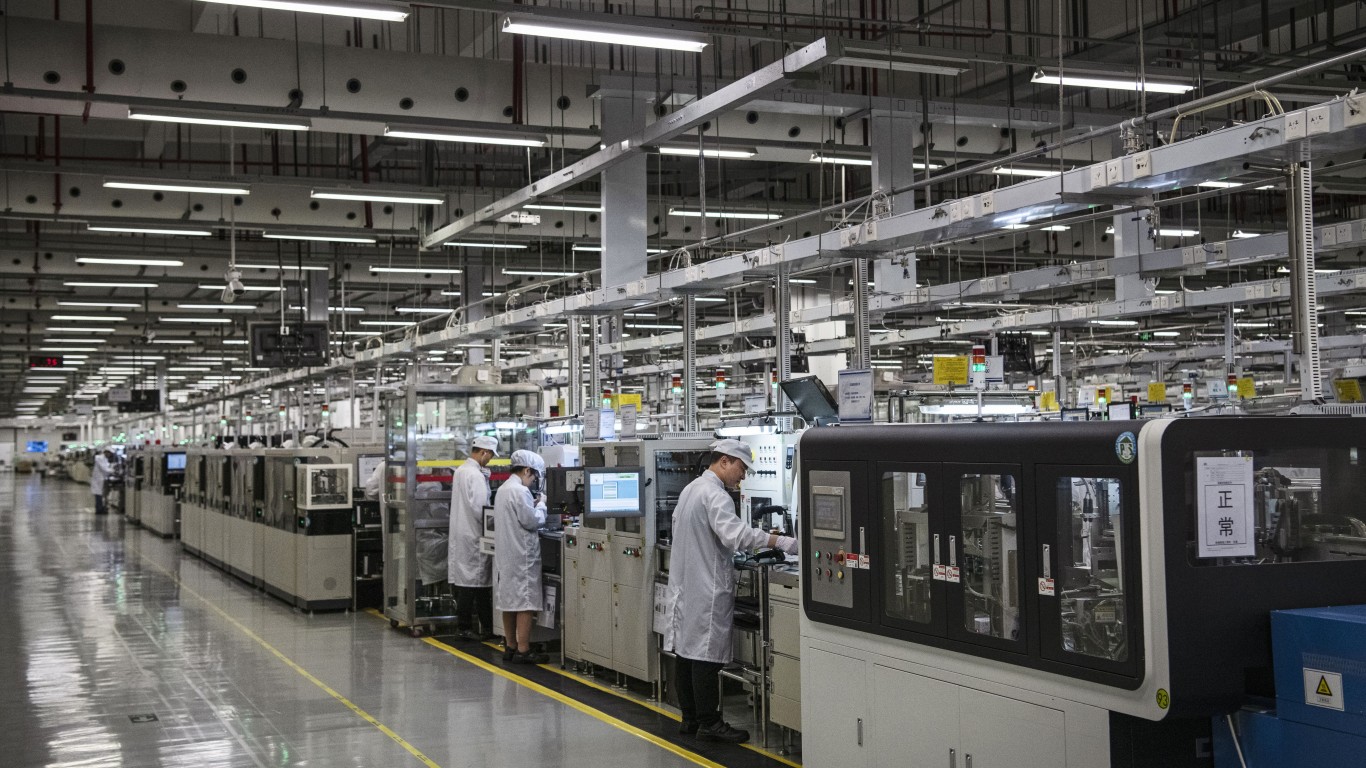
In a recent appearance on the Dwarkesh Podcast, Huang argued that the constraints limiting AI chip production today, including the availability of EUV lithography machines (the specialized equipment that etches circuits onto chips at the atomic scale) from ASML (NASDAQ:ASML) and advanced wafer capacity from Taiwan Semiconductor Manufacturing (NYSE:TSM), are scalable two-to-three year problems, not permanent ceilings on growth. His core point: manufacturing scale follows a credible demand signal, and NVIDIA works years in advance with both TSMC and ASML to shape that signal.
Huang put it directly: “If I can convince TSMC, ASML will be convinced.” The argument is that once the foundry commits to capacity, the equipment suppliers follow. Bottlenecks dissolve through coordinated, long-horizon planning rather than waiting for the market to sort itself out.
Why This Matters to Investors
The bear case on NVIDIA has always centered on upstream constraints capping revenue growth. That concern is not unreasonable. NVIDIA posted full-year FY2026 revenue of $215.94 billion, up 65% year over year. Q1 FY2027 guidance stands at approximately $78.0 billion. At that pace, any supply chain friction becomes a multi-billion-dollar problem fast.
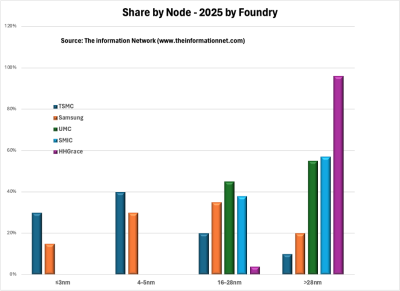
The data from TSMC’s most recent quarter supports Huang’s confidence. TSMC reported Q1 2026 revenue growth of 35% year over year, with gross margin of 66%, above its guided range of 63-65%. Advanced nodes at 7nm and below represented 74% of total wafer revenue, with 3nm alone at 25%. ASML reinforced the picture: CEO Christophe Fouquet noted that “demand for chips is outpacing supply” and that customers are “accelerating their capacity expansion plans for 2026 and beyond.”
The One Real Constraint Huang Named
Huang was direct about where he sees a genuine long-term risk: energy policy. Grid capacity and power availability are harder to solve than chip manufacturing because they involve regulatory timelines, infrastructure permitting, and national policy decisions that no single company can accelerate by placing a large purchase order. Investors should treat energy as the legitimate constraint to watch, separate from chip supply concerns.
NVIDIA has already committed $95.2 billion in supply-related obligations and Huang described approximately 800 AI factories being built globally, most not yet announced. The manufacturing ramp is underway. The question of whether the power grid can keep up is the one worth monitoring closely.









 Top Gaining Stocks
 Top Losing Stocks