


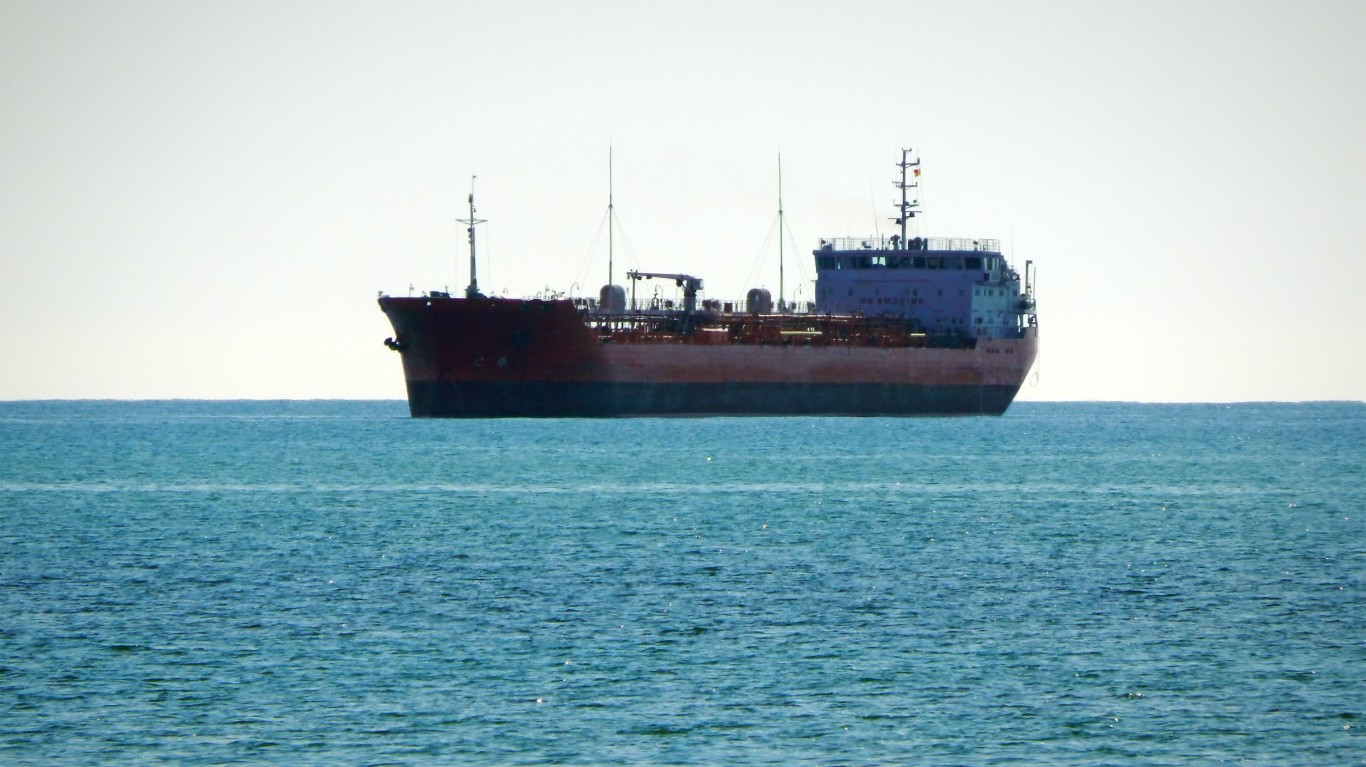
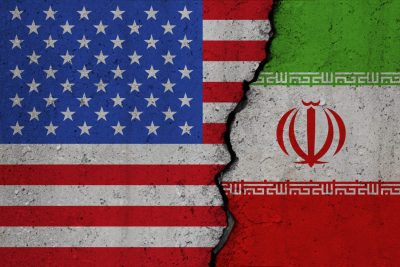
International Energy Agency (IEA) Executive Director Fatih Birol said the war between the US and Iran has caused an unprecedented disaster. Reuters reports he said, “This is indeed the biggest crisis in history. There are two parts. One is the end of tanker traffic via the Strait of Hormuz, which has crippled the world’s oil supply. The other is Russia’s war with Ukraine, which has largely ended the flow of natural gas from Russia to Europe.
If Birol is right, it is because of the high price of crude, which has risen to $120. The effects have led to a shortage of everything from gas to heating oil to jet fuel to petrochemicals.
And he may also be right because the energy supply market drives supply chain capacity. With a tight supply, moving items from one place to another is either impossible or prohibitively expensive. One example is the price of diesel in America, where it has nearly doubled in less than two months. This will either crush the US trucking industry or force it to pass on this jump in expense, if customers will accept it.
Globally, another example is jet fuel. Airlines, particularly in Asia and the EU, are actually cutting routes, which is severely damaging both their top and bottom lines.
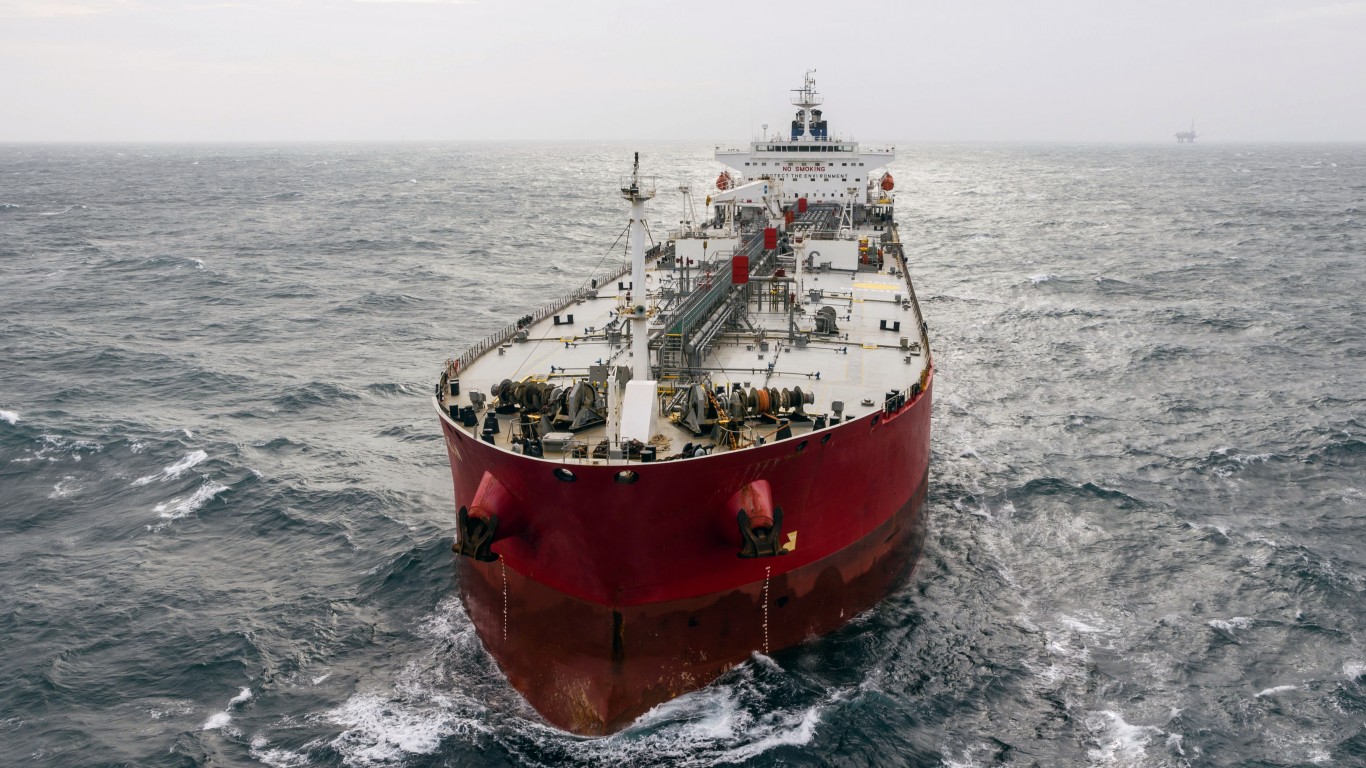
What is just as frightening as the current state of affairs is the future, for at least a year. The massive oil inventory on tankers just outside the Strait of Hormuz will take months to clear by the time the blockade ends, and some of the refineries in the area have been damaged. Some could take years to fix, and the effects could last well into 2028 or later. Qatar says it could take 3 to 5 years to repair damage to its LNG facilities.
All of this adds up to the high odds of inflation across much of the world. And, some industries that rely on oil could be crippled for years.





 Top Gaining Stocks
 Top Losing Stocks