


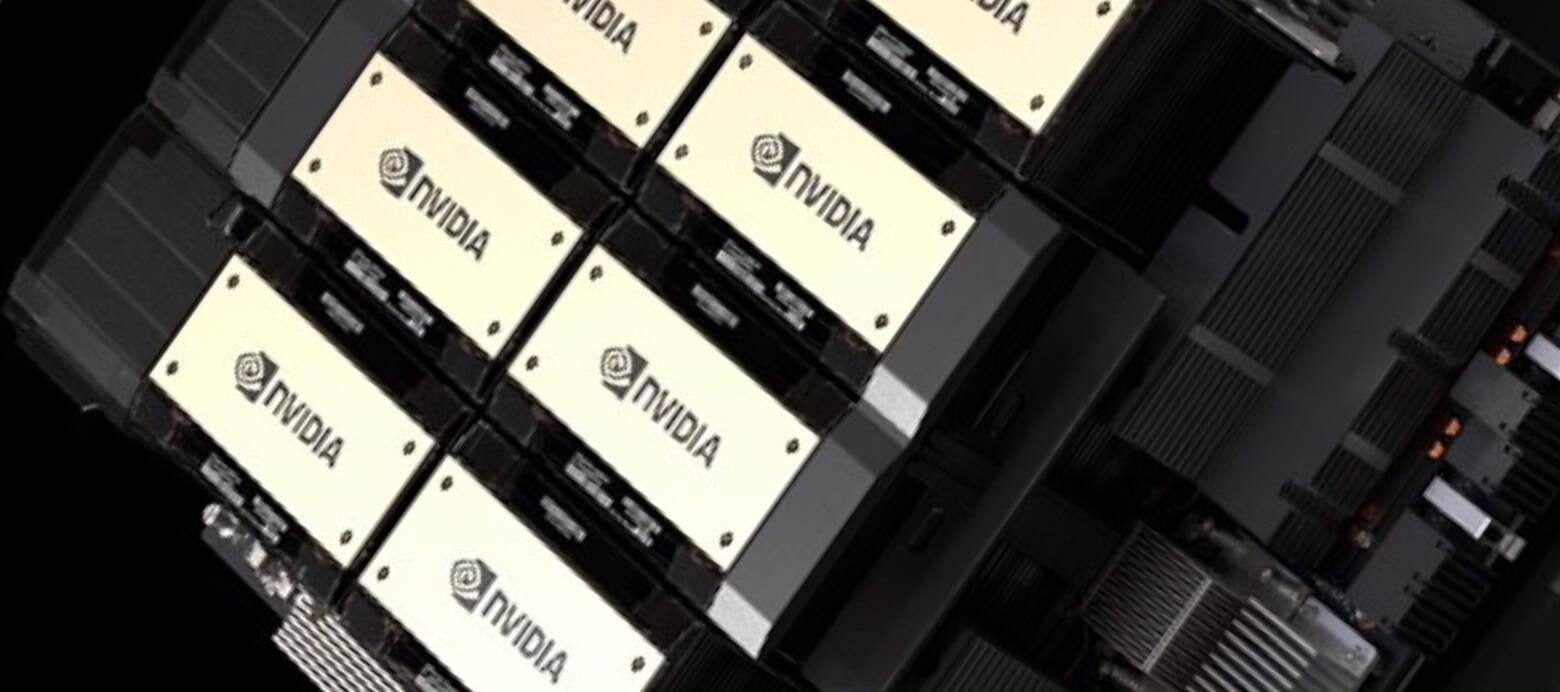
Nvidia (NASDAQ: NVDA | NVDA Price Prediction) rallied sharply from a YTD pullback, which had dragged it down 11% for the year in late March and early April, when it hit $165. It surged to $202 at mid-month, but has started to sell off again. And, there is a good reason.
Nvidia has repeatedly said it can’t make enough chips to match demand. Although this means the supply issue may slow revenue growth, it is also a signal that demand will last for years. However, the demand cycle may have changed, and may stay changed indefinitely.
One reason that Nvidia, and other high-flying AI stocks have done so well is the proliferation of AI data centers, and plans to build hundreds, if not thousands, more. ABI Research reports that there will be 8,821 data centers worldwide by the end of 2026. And, after that, the wave of constitution accelerates. “A new ABI Research market analysis projects that more than 10,000 data centers will be operational by 2030, rising to over 12,000 by 2035.) The pace of growth faces several constraints that have grown quickly, particularly in the US. 35% of the world’s data centers are in North America.
The hurdles to building AI data have grown larger. One reason is that many residents are against new facilities, some of which can be as large as small cities. These are electricity-hungry and can use well over 1 million gallons of water a day. A good example of the trouble is that the Maine Legislature has passed a bill that would halt construction of large data centers until November 2027. At least six states are considering similar plans, although most are not so strict.
And, there are also powerful objections in dozens of cities and towns.
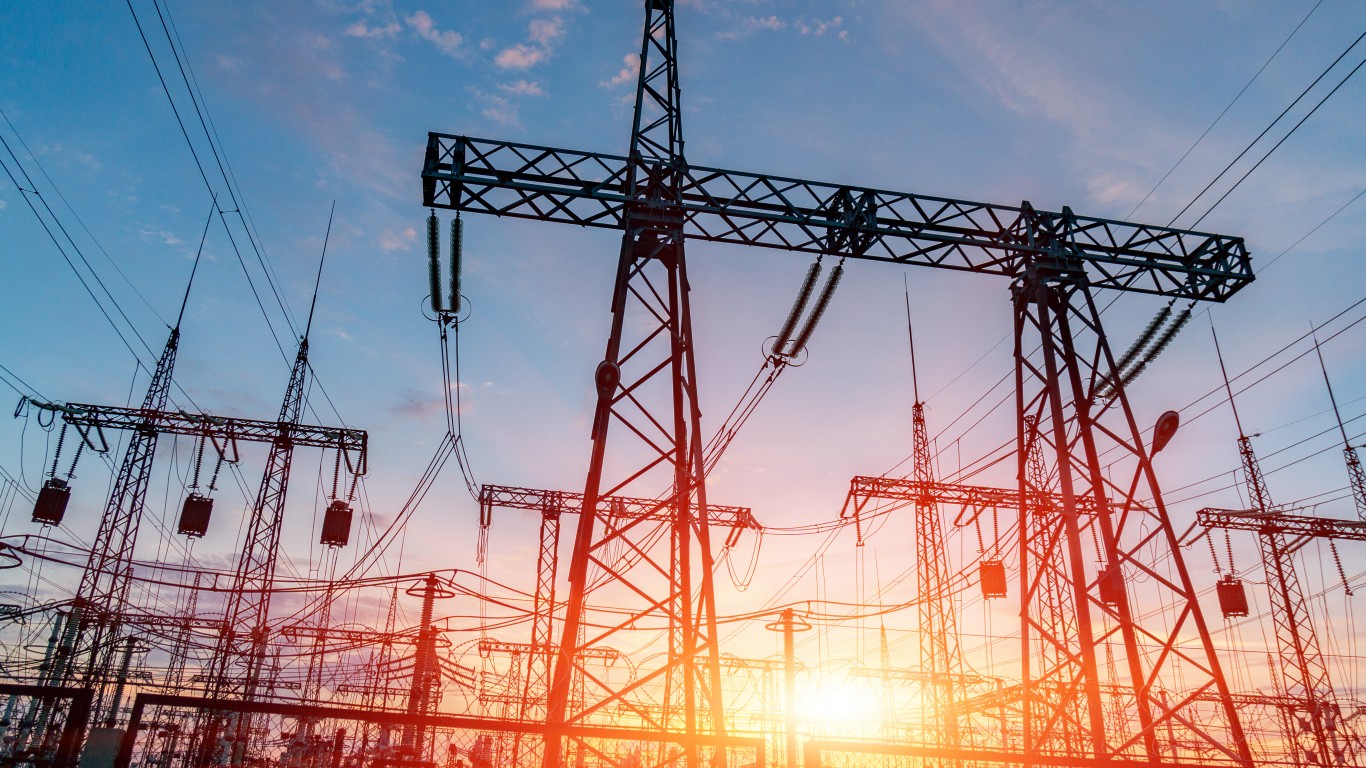
The other problem the data center’s construction faces is just as hard to solve. Some of the components needed to build the centers are in short supply. Bloomberg points out that “Almost half of the US data centers planned for this year are expected to be delayed or canceled. One big reason is the shortage of electrical equipment, such as transformers, switchgear, and batteries.” The backlog of some of these components may take years to handle.
The pace at which data centers are built is a key component of Nvidia’s short and medium-term top line. That is a challenge to its share price.











 Top Gaining Stocks
 Top Losing Stocks