


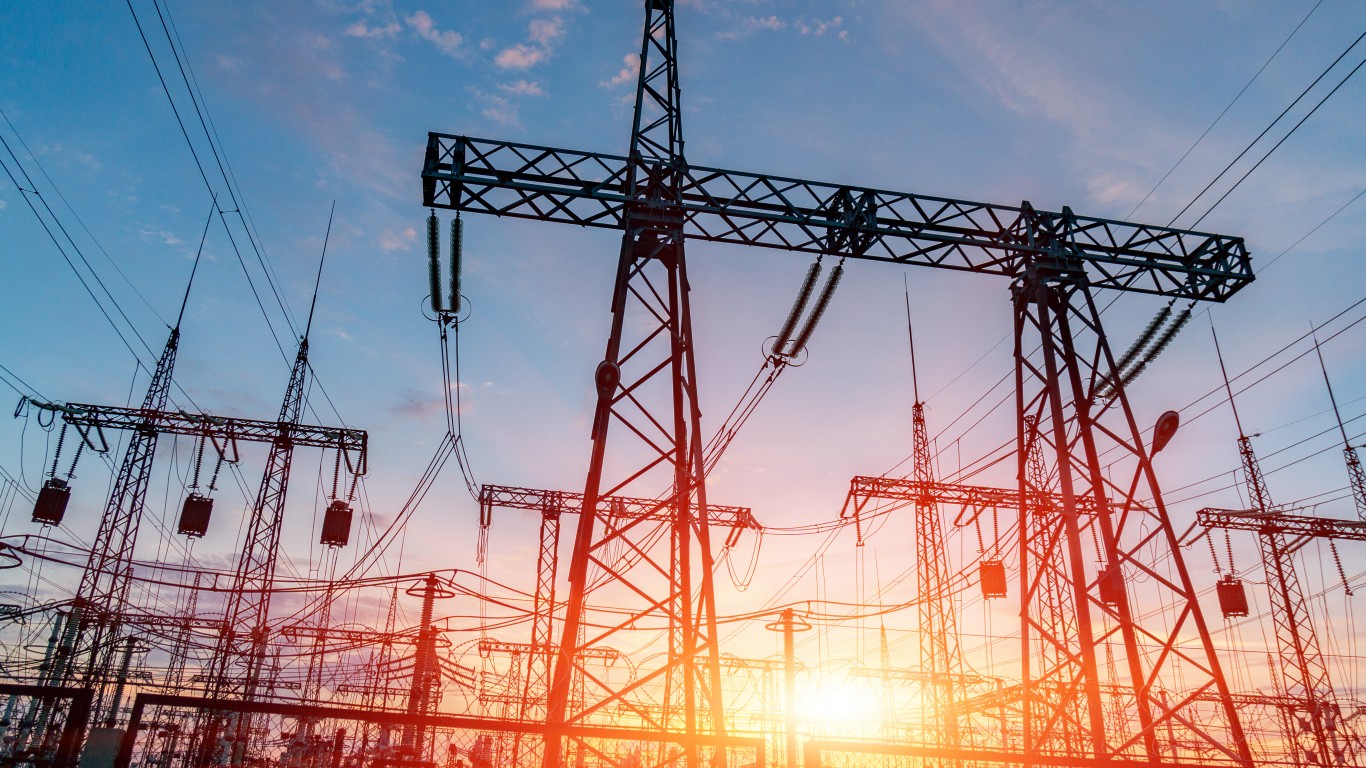
No matter how transformative AI is, the sector faces two main challenges to its growth in the US. Both are political in their own ways. That puts hundreds of billions of dollars at risk, at least temporarily. And, it means risk for companies like Meta (NASDAQ: META | META Price Prediction) and Amazon (NASDAQ: AMZN)
There is a series of debates in Congress about whether aggressive AI expansion is good for the country. Some are driven by national security issues. Some Congressmen are worried about jobs in the areas they represent. Some worry that AI could help people escape from prison. AI could hack people’s private information. AI could be used for violent attacks among groups that are at war with one another in the US. The reasons to slow AI, no matter how unlikely, are walking the walls of Congress.
The other challenge to growth is worry about energy, electricity bills, and jobs. In his State of the Union speech, Donald Trump promised that the expansion of AI would not raise local electricity prices. AI companies would need to bring their own energy to the regions where they want to build AI data centers if this is the rule. Many local politicians and grassroots organizations say construction cannot work that way.
According to Avid Solutions, “Goldman Sachs Research expects data center demand to grow by about 50% to 92 GW by 2027.” It is impossible to say how many data centers there will be, as sizes vary. Several experts say there are almost 4,000 data centers in the US today. Many are small, and many do not do AI-related work.
There are no serious forecasts that the increase in data centers will slow between today and 2030. However, still, there are many local challenges which include large data centers that can drive up electricity prices by double digits and use millions of gallons of water. Elon Musk recently added data centers across the country that cover hundreds of acres. And they emit what has been described as serious pollution. According to Climate Capital Media, these centers will produce ‘2,000 tons of smog-forming nitrogen oxides per year.’
Opposition to data centers has become a major part of local American elections. As Politico pointed out, “Democrats from Georgia to Michigan are trying to turn concern about the energy-hungry facilities to their advantage as voters fret about its impact on electricity bills.” Those companies building centers may find other locations in parts of America that are friendlier, but that could a long enough time and delay the construction of the infrastructure on which they plan to invest their money.
Data centers will be built across America no matter what, and their output may be enough to keep up with the demands of the rush for AI dominance. This includes demand from companies like OpenAI and Microsoft (NASDAQ: MSFT). But these companies say that limits on construction curtail their ability, among other things, to compete with China. Regulation is not a trivial matter.













 Top Gaining Stocks
 Top Losing Stocks