


AI spending in 2026 is starting to look less like a budget line item and more like a strategic arms race. Companies are no longer asking whether to adopt AI, but who owns the layer where AI actually works. That shift is why investors are watching partnerships more closely than product launches.
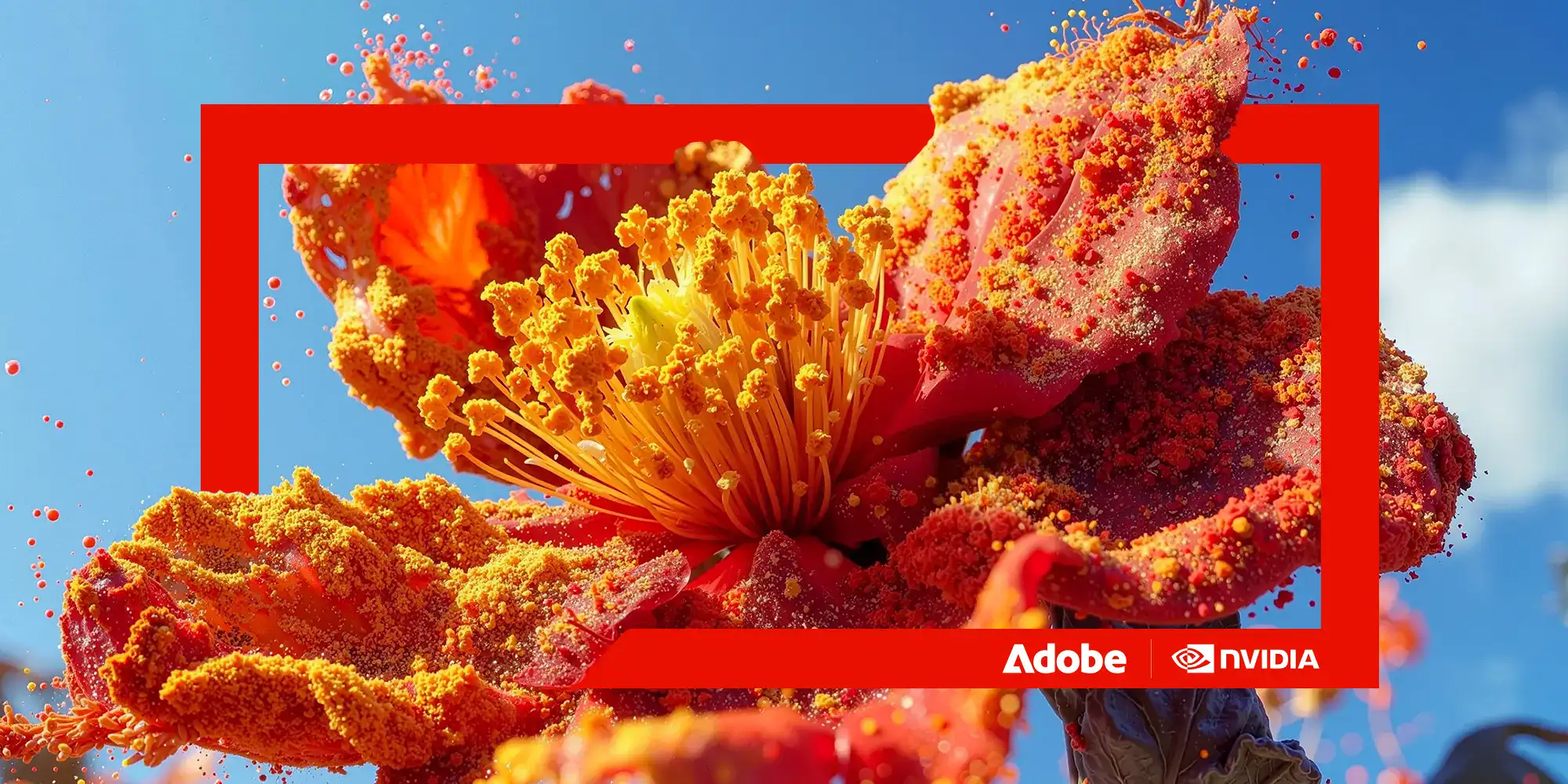
Against that backdrop, a familiar name just got an unexpected endorsement from one of the most important players in AI infrastructure. In a recent Nvidia (NASDAQ:NVDA | NVDA Price Prediction) corporate blog post, alongside a joint announcement with WPP (NYSE:WPP) and Adobe (NASDAQ:ADBE), Nvidia made it clear that generative AI is moving from experimentation to production at scale. The centerpiece? Adobe’s emerging “creative AI agents,” now being tightly integrated into Nvidia’s ecosystem.
For investors in Adobe, this is more than branding. It’s a signal that one of the most important infrastructure companies in the world is effectively placing a bet on Adobe as a long-term creative AI operating layer.
And when Nvidia starts picking winners in AI workflows, people tend to pay attention.
Adobe Still Owns the Storytelling Layer
The most striking part of Nvidia’s messaging wasn’t technical. It was cultural.
Nvidia CEO Jensen Huang recently said that no company has shaped how the world tells stories more than Adobe. That’s not just flattery — it’s positioning. Adobe sits in a unique place in the AI stack: It doesn’t just generate content; it defines how content is created, edited, and distributed across industries
From Photoshop to Premiere Pro to Firefly, Adobe already sits inside workflows used by marketers, designers, filmmakers, and publishers. Nvidia’s AI push effectively plugs intelligence into those workflows rather than replacing them. The March 2026 strategic partnership between Nvidia and Adobe formalized that direction.
Adobe’ said the collaboration focuses on:
- Accelerating Adobe Firefly models on Nvidia GPUs
- Building enterprise-grade “creative agents”
- Integrating generative AI directly into Adobe Creative Cloud tools
That matters because it shifts Adobe’s AI story from “we have generative features” to “we are the environment where AI creativity happens.”
Why Nvidia Is Backing Adobe Instead of Replacing It
There’s a subtle but important distinction here: Nvidia is not competing with Adobe. It is reinforcing Adobe’s position.
Nvidia’s core business — roughly $60 billion in FY2025 revenue — is selling the computing backbone of AI. Adobe’s FY2025 revenue, reported at about $23.8 billion, comes from software subscriptions that sit directly on top of creative workflows.
That creates natural complementarity:
| Company | Role in AI stack | Core revenue model |
| Nvidia | Infrastructure (GPUs, compute) | Hardware + systems |
| Adobe | Application layer (creative tools) | Subscription SaaS |
In other words, Nvidia sells the engines. Adobe builds the cockpit.
That partnership also explains why Nvidia is publicly highlighting Adobe’s “creative AI agents.” These agents are essentially task-based AI assistants embedded in tools like Photoshop or After Effects — automating repetitive design work while keeping human control in the loop.
That’s a fancy way of saying Adobe is trying to make AI feel like a collaborator, not a replacement.
Adobe’s SaaS Problem — and Its AI Counterpunch
Investors haven’t exactly rewarded Adobe for its AI ambitions yet. The stock has been weighed down by what Wall Street has loosely called the “SaaS-pocalypse” — a valuation reset across software companies as growth slows and AI disruption fears rise..
However, JPMorgan analysts recently labeled Adobe one of their “AI resilient” software names, arguing that its installed base and pricing power reduce the risk of displacement from generative AI startups.
The tension is clear: The bear case says AI tools like Midjourney or open-source models could erode Adobe’s moat, while the bull case argues Adobe becomes the interface layer where those models are actually used
Nvidia’s endorsement leans heavily toward the second view. If the most powerful GPU supplier in the world is optimizing for Adobe workflows, it suggests the moat is not disappearing — it’s evolving.
Key Takeaway
In short, Nvidia’s support for Adobe is not nostalgia for creative software dominance. It is a calculated bet that the future of AI won’t live in standalone apps — it will reside inside existing workflows people already trust.
Adobe’s challenge is execution. It must prove that AI agents increase, not dilute, subscription value. Nvidia’s involvement doesn’t eliminate that risk, but it does validate Adobe’s direction at the infrastructure level. For investors, that’s the key signal.
When all is said and done, Nvidia doesn’t align itself casually. If it’s publicly elevating Adobe as the storytelling layer of the AI era, it’s because it sees demand for compute flowing directly through it. And in the AI economy, investors follow the compute.








 Top Gaining Stocks
 Top Losing Stocks