


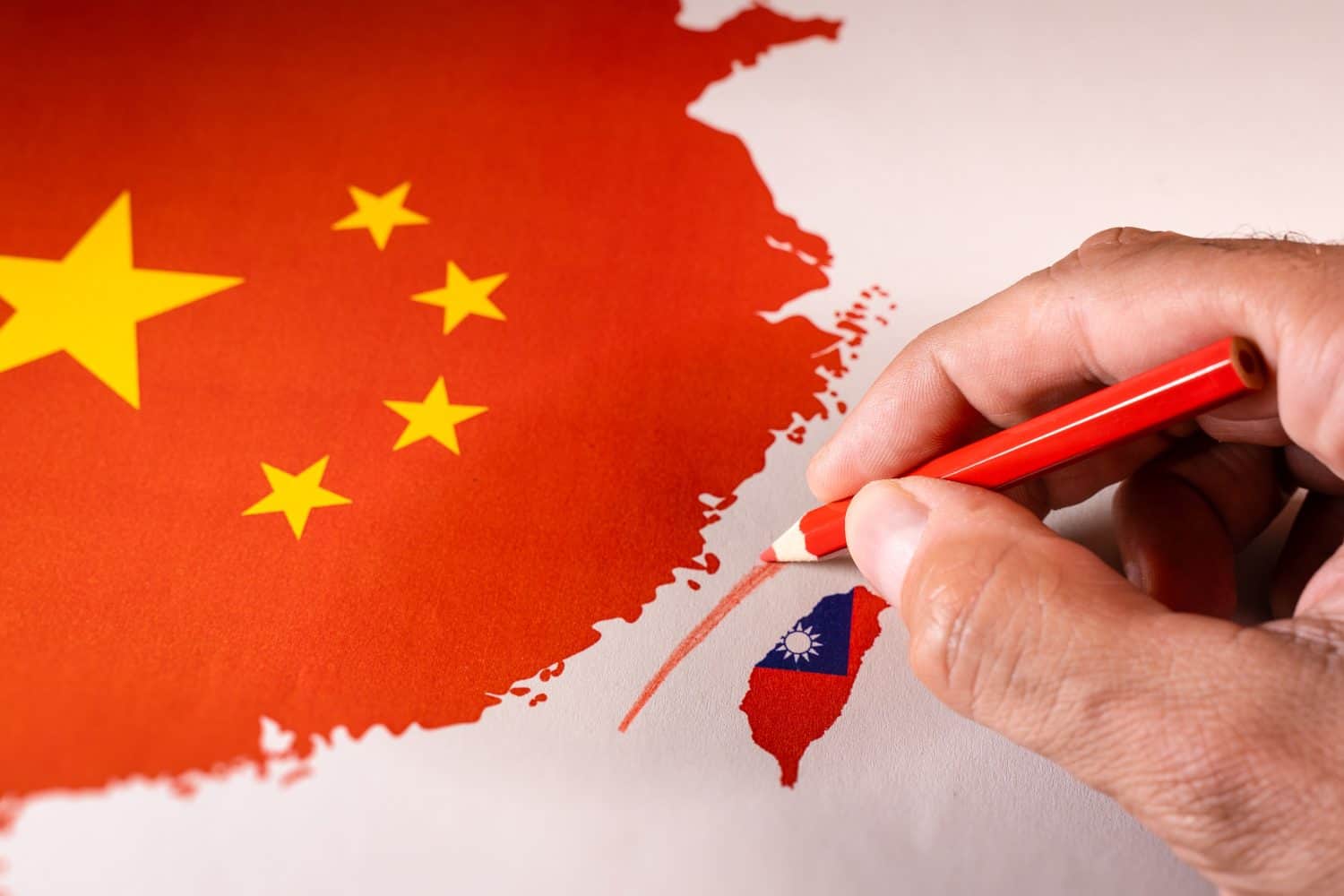
WisdomTree Emerging Markets High Dividend Fund (NYSEARCA:DEM | DEM Price Prediction) offers a 4% yield at a trailing P/E near 11x, less than half the S&P 500 multiple. The catch is where that yield originates. This article examines whether DEM’s dividend screen can sustain payouts through the China slowdown through 2026 and Taiwan’s concentrated semiconductor cycle.
How the Dividend Engine Works
DEM tracks the WisdomTree Emerging Markets Dividend Index, a rules-based strategy that weights roughly 531 stocks by the total dollar amount of dividends they pay rather than by market cap. That setup naturally tilts the fund toward high-payout companies in cyclical sectors. Income arrives as ordinary dividends from the underlying holdings and then flows through to shareholders on a variable schedule. Because payments depend on earnings cycles and currency moves, the trailing yield reflects what companies paid in the past, not a locked-in rate.
Where the Yield Lives
Geography and sector mix drive most of the risk. Taiwan accounts for about 25 percent of the portfolio, and China for roughly 20 percent. Financials make up around 25 percent, technology about 14 percent, and industrials close to 10 percent. The biggest positions include Chinese state-owned banks and insurers such as China Construction Bank at about 4.5 percent, ICBC at about 3 percent, and Ping An at roughly 1.6 percent, along with Saudi Aramco and Taiwanese chipmakers like MediaTek at about 3 percent and UMC at about 1.5 percent. The distribution leans heavily on Chinese bank payout policy, Taiwan’s foundry cash flow, and Gulf oil economics.
The Chinese Tech Test Case
Alibaba (NYSE:BABA) shows how fragile a high-dividend label can be when underlying fundamentals weaken. Alibaba raised its annual dividend to $1.98 in 2025 from $1.66 in 2024, but the business has been under pressure. Fiscal Q3 2026 free cash flow came in at $1.622 billion, down sharply year over year, while capital spending jumped as the company invested in AI and cloud infrastructure. Quarterly earnings also fell significantly year over year, and the stock has been under pressure. Management has already warned about uneven near-term profitability, which directly affects the dividend inputs that DEM’s screen relies on.
The Taiwan Offset
Taiwan Semiconductor Manufacturing (NYSE:TSM) provides the opposite profile. Q1 2026 revenue grew 35 percent year over year, and gross margin held at 66 percent. Free cash flow rose to roughly NT$348 billion, up meaningfully year over year. TSM has paid an uninterrupted quarterly dividend for more than twenty years, and the Q1 2026 ADR payout is well above the mid-2025 level. Taiwan’s foundry strength and Saudi Aramco’s stable payout help anchor DEM’s income stream in a way that Alibaba and other cyclical Chinese names do not.
Total Return Reality
Despite China’s drag, performance has been strong. DEM is up about 11 percent year to date and roughly 30 percent over the past year, compared with about 3 percent for the Diversified Emerging Markets category. The fund trades near $52, close to its 52-week high, and has taken in meaningful net inflows. Investors have collected the distribution while also capturing capital gains.
What Anchors the Payout
DEM’s yield is variable income from a cyclical mix of companies whose dividends rise and fall with earnings and currency trends. The payout is supported by Taiwan’s foundry cash generation and by the dividend stability of large Chinese state-owned banks, which have maintained payouts through past slowdowns. The risks sit in names like Alibaba, where reinvestment needs are squeezing free cash flow, and in the fund’s mechanical tilt toward the highest-paying sectors, which are often the most cyclical.













 Top Gaining Stocks
 Top Losing Stocks