


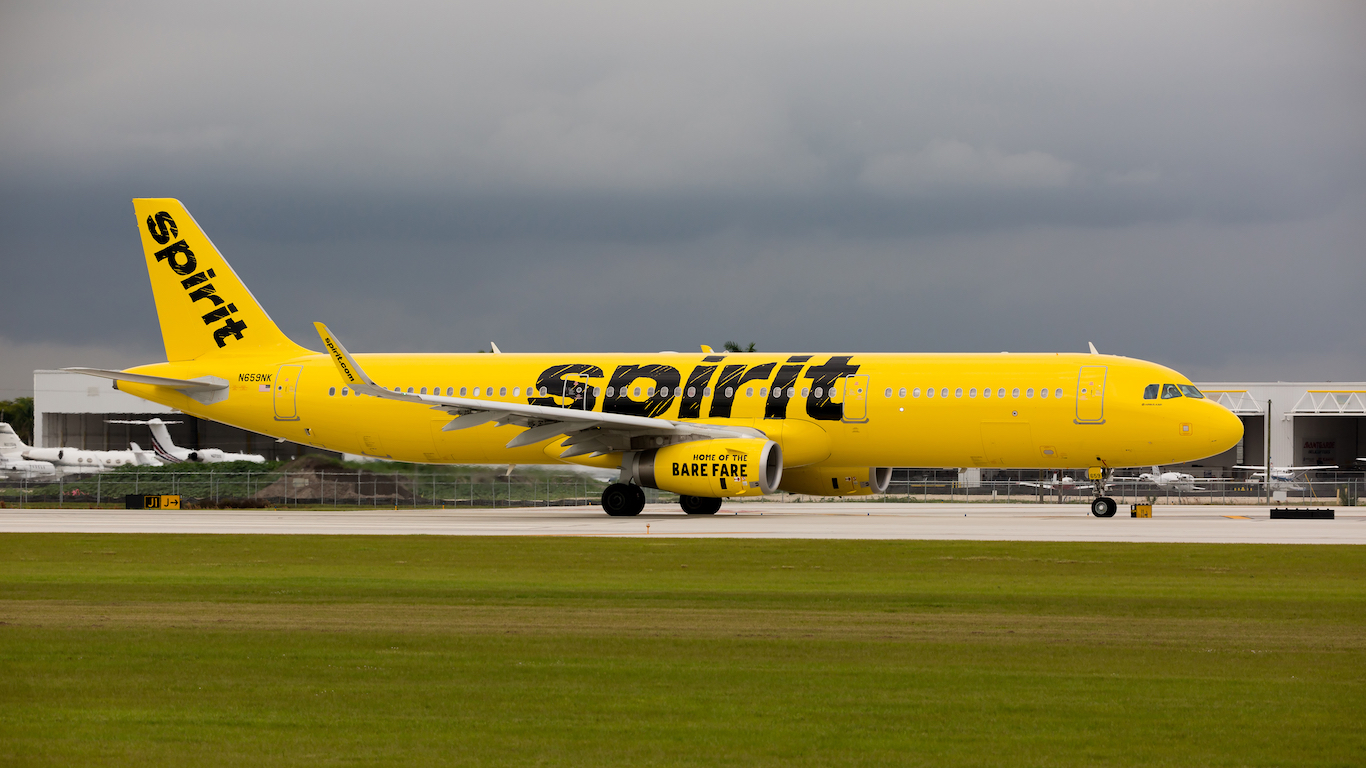
Spirit Airlines flight NK1833 touched down at Dallas-Fort Worth shortly after midnight on May 2, 2026. By 3 a.m., 17,000 employees were learning from internal memos and social-media posts that they no longer had jobs.
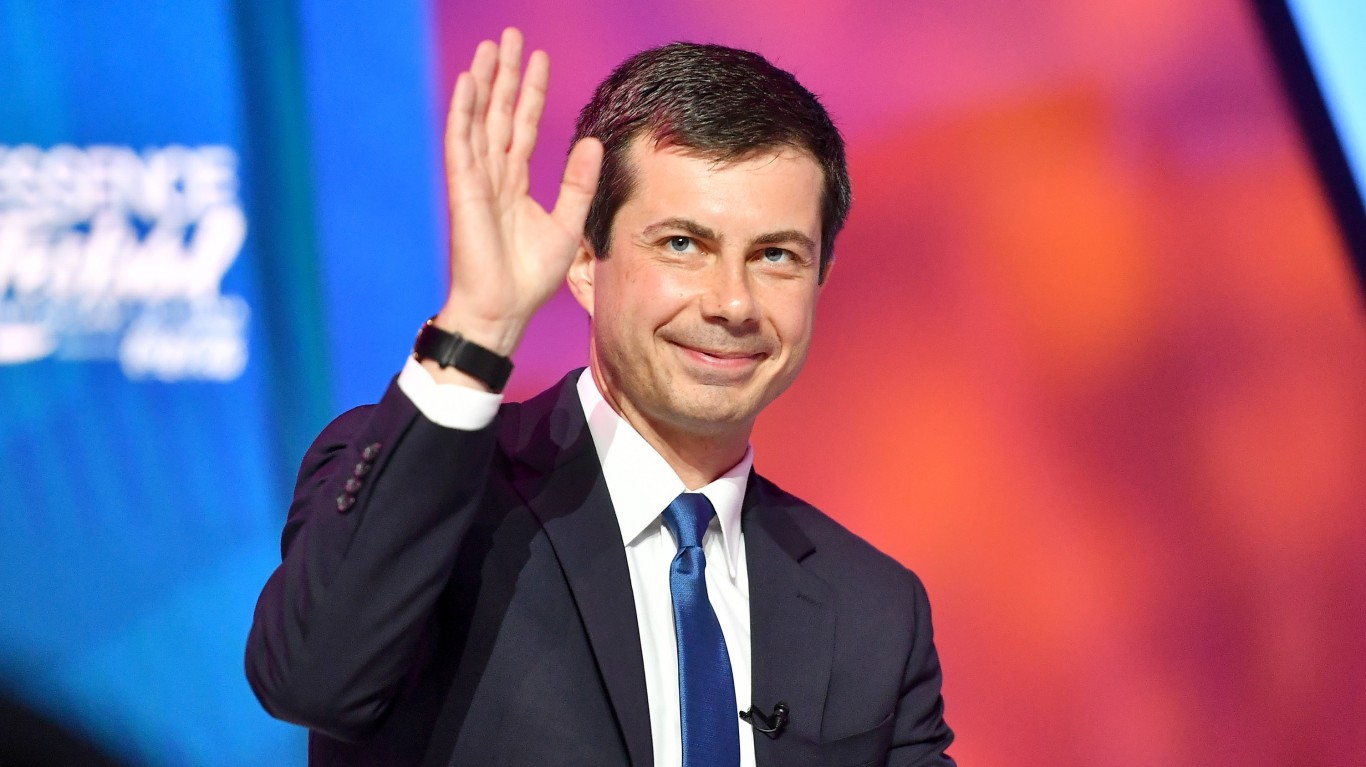
By Saturday morning, the nation’s ninth-largest airline had ceased operations for good — and former Transportation Secretary Pete Buttigieg, whose 2024 antitrust victory was supposed to protect exactly these passengers and exactly these workers, owned the aftermath.
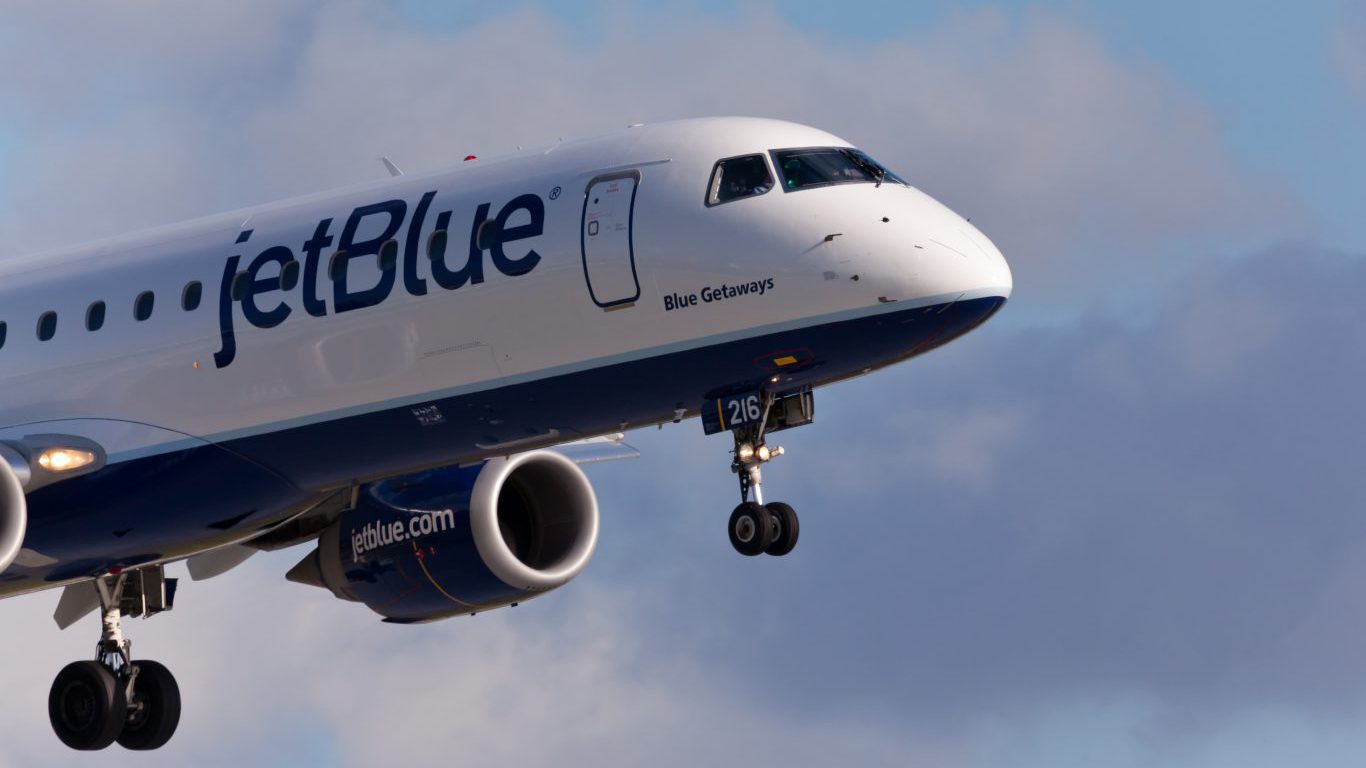
When the Department of Justice filed suit in March 2023 to block JetBlue’s $3.8 billion takeover of Spirit, Attorney General Merrick Garland and Secretary Buttigieg pitched the intervention as a defense of the budget traveler. Spirit, they argued, was the pricing floor that forced legacy carriers to cap their fares. Eliminating Spirit as an independent ultra-low-cost carrier would, in the government’s words, “remove a critical pricing floor from the market.”
In January 2024, U.S. District Judge William Young agreed. He blocked the merger and explicitly rejected JetBlue and Spirit’s “failing firm” defense — finding that Spirit had “a long-term plan to return to profitability” and that its collapse was not “imminent and irreversible.” Senator Elizabeth Warren called the ruling “a victory for flyers.”
Twenty-eight months later, the company the government chose to protect by keeping it independent was liquidated.
The “failing firm” defense the court rejected was the truth
By the time the wind-down was announced, Spirit had absorbed roughly $5.9 billion in cumulative losses since 2020. Its August 2025 Chapter 11 filing showed $8.1 billion in liabilities. Its December 2025 cash position had dwindled to roughly $4.2 million — what a major airline burns in an afternoon. When jet fuel doubled to above $4 a gallon in early 2026 after the U.S.-Israeli war on Iran, Spirit had no balance sheet left to absorb the shock.
Sean Duffy, who succeeded Buttigieg as Transportation Secretary, has been blunt: by “tanking” the merger, federal regulators “signed Spirit’s death warrant.” A merged JetBlue-Spirit would have had hedging programs, premium revenue, and a less concentrated route network. The standalone Spirit didn’t.
Where the protected pricing floor actually went
The hindsight is hard to argue with. The pricing floor the 2024 ruling was designed to protect has now been erased entirely. Industry analysts project a 22% to 29% increase in fares on Spirit’s former high-volume routes. Frontier remains the only major independent ultra-low-cost carrier; the legacy “Big Four” are already moving to absorb Spirit’s gates and slots. The “Coke and Pepsi” market structure Buttigieg explicitly warned against is now closer than at any point since deregulation.
A doctrine that misread its own subject
The Spirit case is destined to become a study in the limits of the “failing firm” defense. The court used historical operating data to predict viability in a volatile industry, and the prediction missed by 28 months. Legal scholars are arguing that the doctrine should be softened — that regulators should be able to approve mergers for struggling firms before they reach terminal liquidation, not after.
If the goal of competition policy is to preserve choice for the budget traveler, then a regulatory action that ends in the disappearance of every choice it sought to protect must be classified as a strategic failure. That is the verdict the next administration’s antitrust philosophy will have to absorb — not because Buttigieg or the DOJ acted in bad faith, but because the doctrine they applied predicted a counterfactual the market refused to deliver.
The 34-year run of yellow Spirit planes was already over by the time anyone in Washington realized it.






 Top Gaining Stocks
 Top Losing Stocks